
How CALA Turns Your Outfit Ideas Into Real Fashion Designs
How CALA Turns Your Outfit Ideas Into Real Fashion Designs
Have you ever pictured the perfect outfit in your head, only to struggle when you try to explain it? Maybe you love a certain silhouette or color combination, but turning that idea into a finished garment feels out of reach. That is where CALA comes in.
CALA is an AI-powered fashion design and production platform that helps designers and small fashion brands go from a simple idea to a ready-to-make design. In this guide, you will learn what CALA is, how it works, and how to use it to shape stylish outfit ideas.
What Is CALA?
CALA, found at ca.la, is a platform built for fashion design and product development. It combines artificial intelligence with practical design tools so creators can develop clothing ideas, visualize them, and move toward production without needing a large in-house team.
Unlike a simple photo filter, CALA is designed around the real fashion workflow, from early ideas to details such as fit, fabric, and construction. That makes it especially useful for independent designers and small brands that want professional results on a smaller budget.
How CALA’s AI Design Works
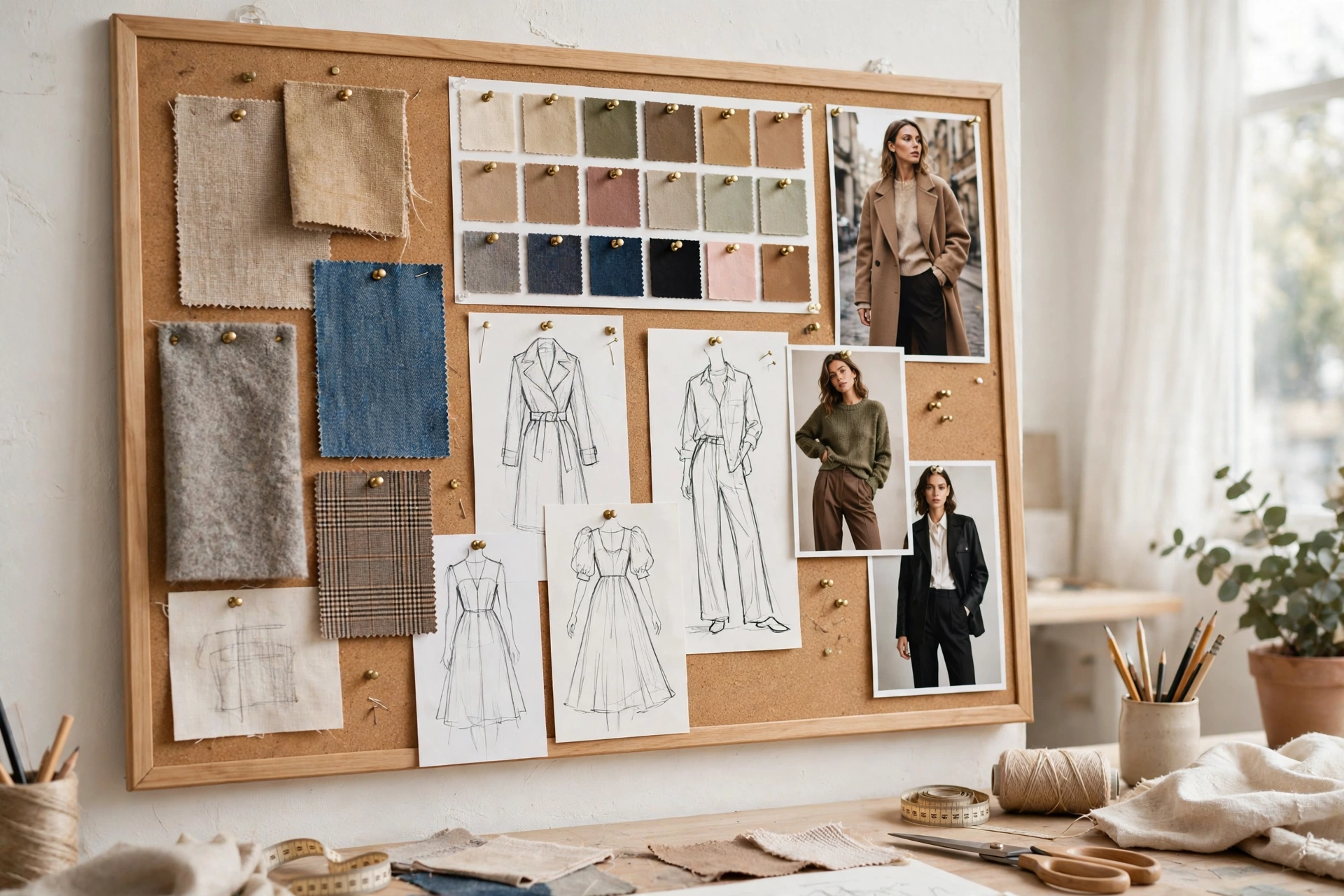
CALA’s AI tools help you turn words and sketches into clear product visuals. You can start with a written description, for example, a relaxed linen blazer in sage green with soft shoulders, and generate a photorealistic image of that garment. If you already have a hand sketch, you can upload it and refine it into a cleaner, more detailed visual.
From there, you can adjust details, try different colors, and build a consistent collection. Once a design feels right, CALA helps you organize measurements and design notes for production, so your idea does not get lost between inspiration and manufacturing.
Key Features and Benefits
CALA brings several helpful features together in one workflow, which can save time and reduce confusion for small teams.
- Text-to-design generation: Describe an outfit in plain language and see a realistic visual version of it.
- Sketch refinement: Upload a rough sketch and turn it into a polished product image.
- Collection planning: Develop matching pieces that work together as a small collection.
- Design-to-production workflow: Keep design details organized as you move toward making the garment.
- Creative exploration: Test colors, fabrics, and silhouettes quickly before committing to one direction.
The biggest benefit is clarity: when you can see an idea clearly, it is easier to improve it and decide whether it belongs in your collection.
How to Use CALA for Outfit Ideas: Step by Step
You do not need to be a professional illustrator to get started. Follow these steps to shape an outfit idea with CALA.
1. Start with one clear idea
Choose the occasion and mood first. Is it a casual weekend outfit, a work-ready look, or an evening style? A clear starting point leads to a stronger design.
2. Describe the outfit in detail
Write a short description covering the garment type, fit, fabric, color, and key details. For example: a midi wrap dress in soft floral cotton, with short sleeves and a relaxed waist.
3. Generate and compare versions
Create a few variations and compare them side by side. Small changes, such as a different neckline or sleeve length, can completely change how an outfit feels.
4. Refine your favorite design
Pick the strongest version and adjust it until it matches your vision. Save notes about the fabric, color, and fit so nothing important is forgotten later.
5. Build the full look
Add coordinating pieces, such as a jacket, trousers, or accessories, to turn a single garment into a complete outfit idea. Then review the whole look as one collection.

A Real Practical Example
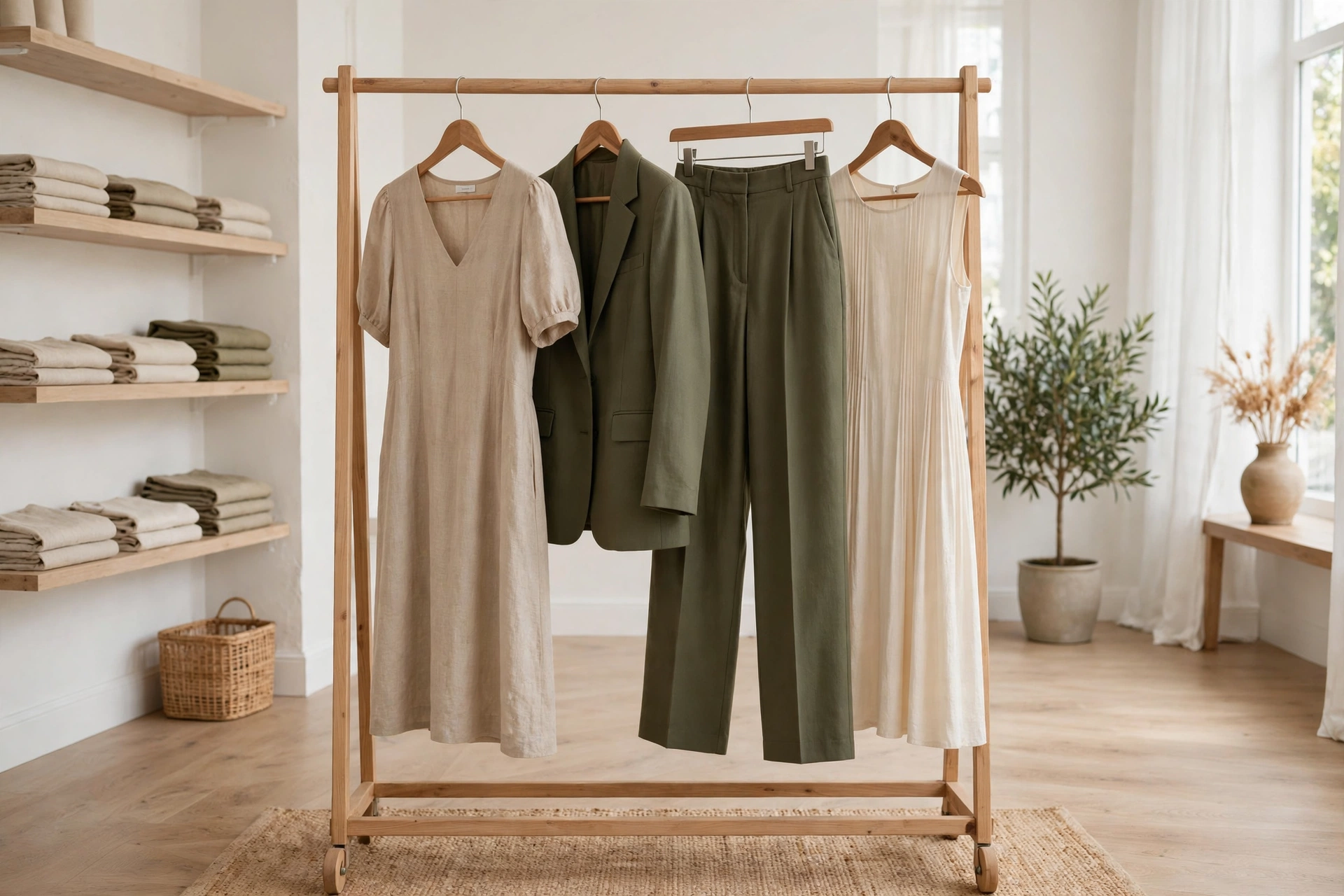
Imagine a small online boutique owner who wants to launch a spring capsule collection. She has a notebook full of ideas but no full-time designer. Using CALA, she starts by describing five core pieces: a relaxed blazer, a midi dress, wide-leg trousers, a simple blouse, and a lightweight trench coat.
She generates visuals for each piece, tests them in a shared palette of cream, sage, and soft blue, and removes two designs that do not fit the mood. The rest become a small, coordinated collection she can present to her production partner. The tool does not replace her taste, but it helps her move from scattered notes to a focused plan much faster.
Pros and Limitations
Pros: CALA speeds up early design work, makes ideas easier to visualize and share, and supports a full journey from concept toward production. It is especially helpful for small brands that need professional-looking design visuals without hiring a large team.
Limitations: CALA is aimed more at fashion brands and designers than at casual users looking for quick daily outfit inspiration. The production side also has a learning curve, especially if you are new to garment specifications and factory communication. AI visuals are a starting point, not a guarantee: real fabric and fit still need careful checking with samples.
Free Plan and Pricing
CALA uses custom and dynamic pricing based on a brand’s needs, so there is no single fixed monthly price to quote here. Before signing up, check CALA’s official website for the most current pricing and plan details.
Frequently Asked Questions
Is CALA good for beginners in fashion design?
Yes, beginners can use it to explore ideas and create visuals, but some production features are easier once you understand basic garment terms and measurements.
Do I need to know how to draw to use CALA?
No. You can describe an outfit in words, and you can also upload a sketch if you have one. Drawing skill is helpful, but it is not required.
Can CALA create a full outfit collection?
Yes. You can develop several matching pieces, test them in a shared color palette, and build them into a small, coordinated collection.
Does CALA replace a fashion designer?
No. It supports the design process, but your taste, judgment, and final decisions still shape the result. Human review matters most for fit, fabric, and quality.
Is CALA only for large fashion brands?
No, small brands and independent designers can use it too, although its design-to-production workflow is built with brands in mind rather than casual outfit browsing.
Conclusion
CALA is a practical choice if you want to turn outfit ideas into clear, professional fashion designs. Start with one simple idea, test a few variations, and build a small collection around the pieces you love most. With careful checking of real samples, CALA can help your next outfit idea become something you can actually wear, sell, or share with confidence.