
12 Best Wearable Tech Gadgets to Watch in 2026
Table of Contents
- Introduction
- 1. Everyday Smartwatch
- 2. Slim Fitness Band
- 3. Smart Ring for Sleep and Recovery
- 4. GPS Sports Watch
- 5. Smart Glasses for Hands-Free Everyday Use
- 6. Hearables with Health Sensors
- 7. Smart Clothing and Sensor Apparel
- 8. Smart Helmet for Cyclists
- 9. Stick-On Health Patch
- 10. Smart Jewelry Beyond the Ring
- 11. Kids GPS Tracker Watch
- 12. Screen-Free Recovery Tracker
- Helpful Tips
- Frequently Asked Questions
- Conclusion
Introduction
Wearable tech in 2026 is less about one flashy device and more about finding a form that fits your day, from morning runs to long workdays and family weekends.
A note on “to watch in 2026”: this guide looks at types of wearable tech worth following, not guaranteed product releases. It does not promise launch dates or new announcements. Wearables are everyday gadgets, not medical devices. Their readings can show trends over time, but they are not a substitute for professional health advice, and accuracy can vary.
Start with the problem you want to solve, then check phone compatibility, comfort, and whether a subscription is needed for the features you care about.
1. Everyday Smartwatch
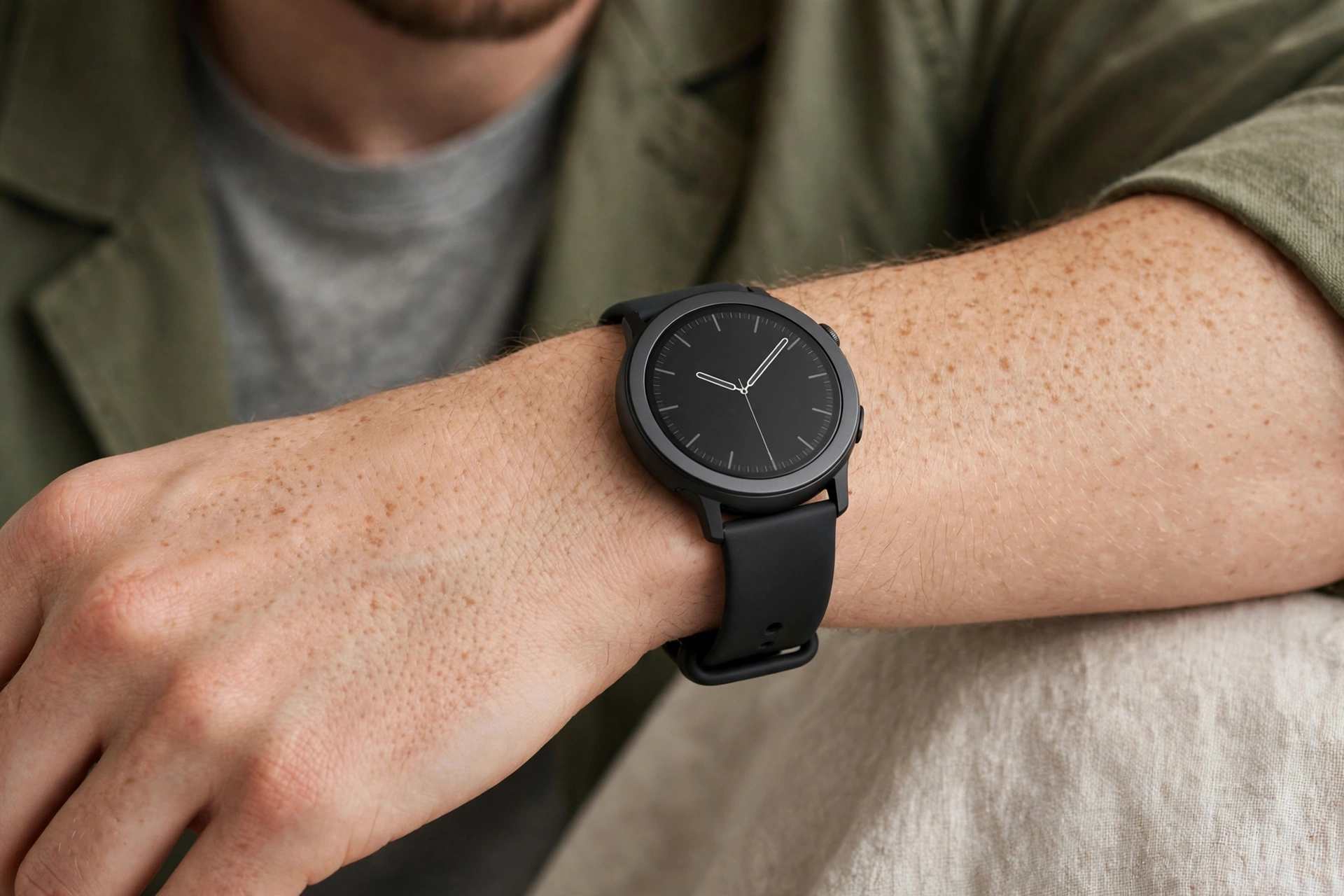
An everyday smartwatch is the most versatile wearable to watch, because it covers notifications, activity, sleep, and quick phone tasks in one place. You can glance at messages, check the weather, set a timer, and track a walk without reaching for your phone. This suits people who want one device for work, errands, and light workouts. Look for a comfortable strap, a screen you can read outdoors, and an app that presents data in plain language. Check phone compatibility first, since some watches work best, or only, within one phone ecosystem.
2. Slim Fitness Band
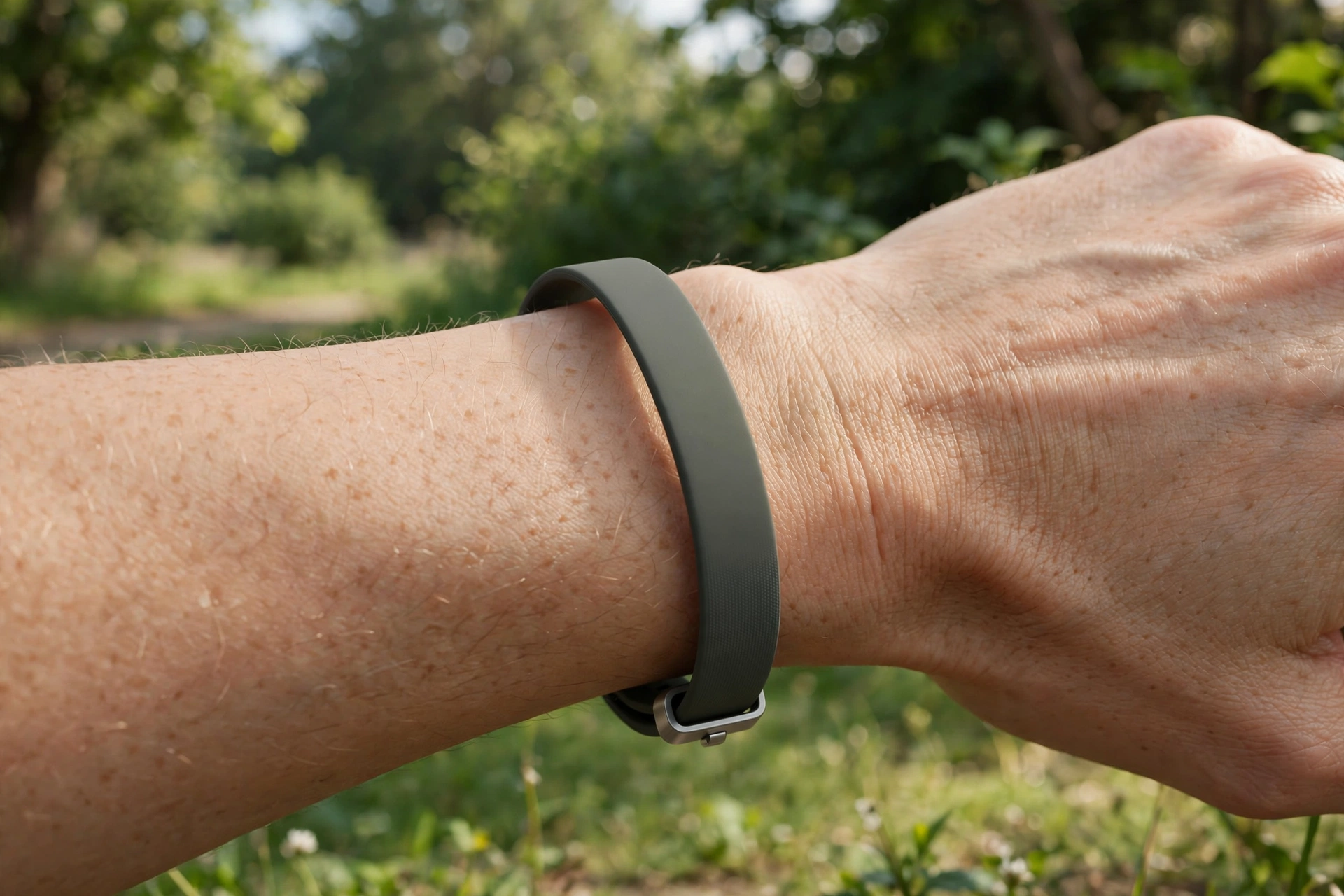
A slim fitness band is for people who want tracking without the bulk, cost, or distraction of a full smartwatch. It usually focuses on steps, workouts, heart rate, and sleep, with a small, simple display. Because it is light, it is easy to wear all day and night, including during sleep and exercise. This is a strong starting point if you are new to wearables, or if you already use your phone for messages and apps. Look for a band that stays comfortable after hours of wear, survives sweat and rain, and syncs reliably with your phone.
3. Smart Ring for Sleep and Recovery
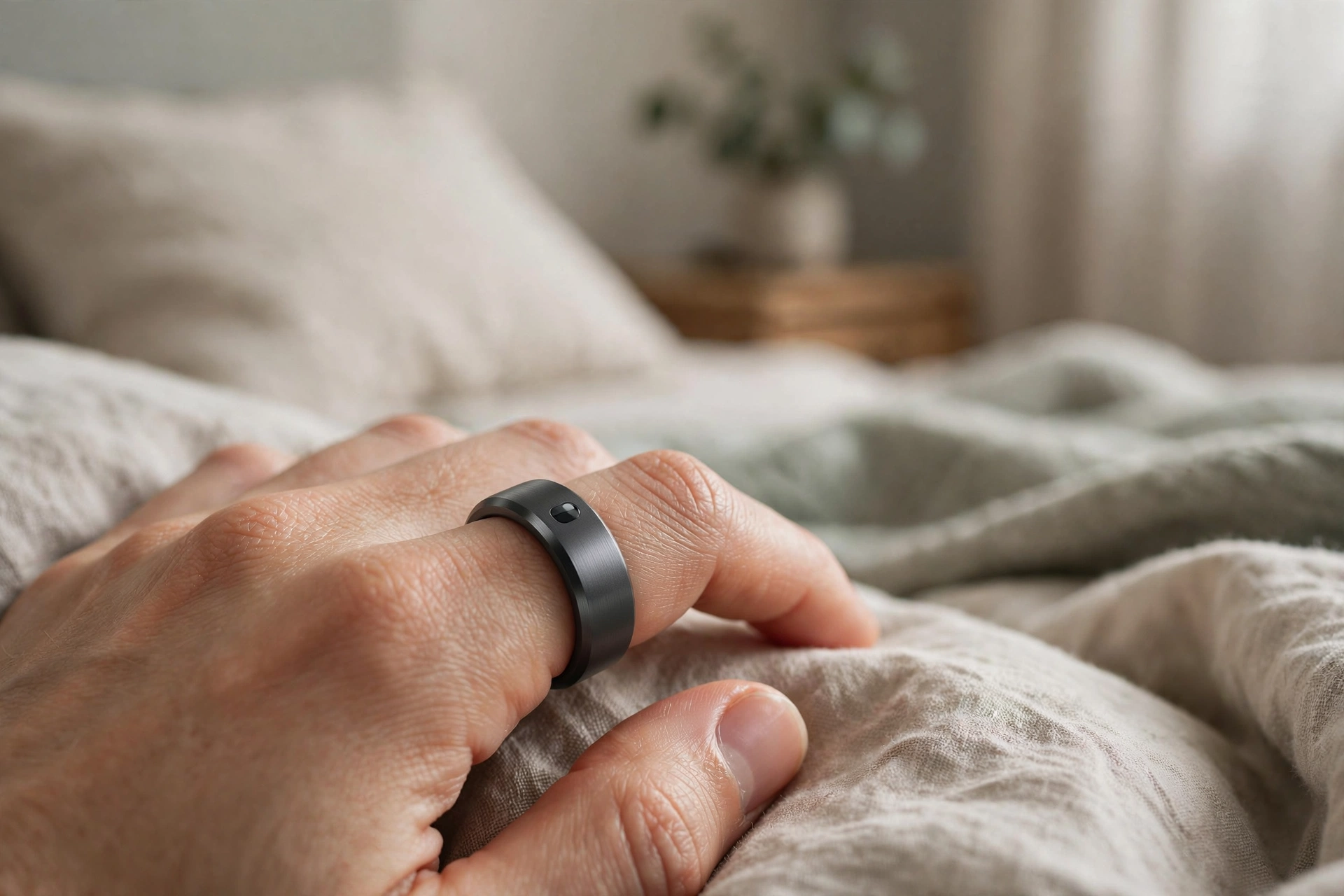
A smart ring packs sensors into a small, screen-free form that many people find easier to wear around the clock. Without a display buzzing with notifications, it can feel calmer than a watch, especially at night. Its main strengths are usually sleep tracking, daily activity, and recovery-style summaries. This suits minimalists, people who dislike wearing a watch to bed, and anyone who wants health trends without constant alerts. Fit matters a great deal, so follow the maker’s sizing guidance. Also check whether key features require a subscription, since that changes the long-term cost.
4. GPS Sports Watch
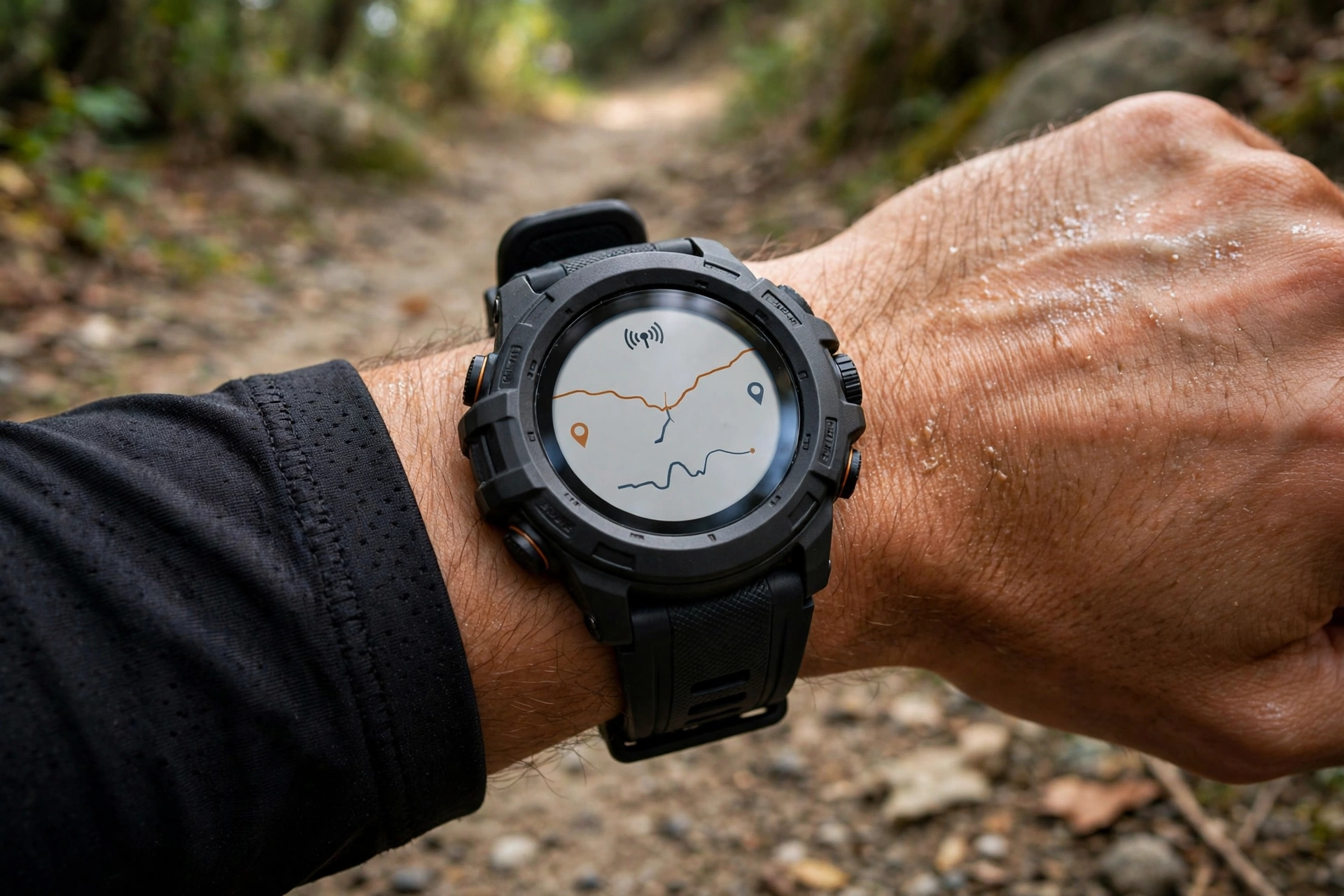
A GPS sports watch is built for people who train outdoors and want reliable route, pace, and workout data. It is typically sturdier than an everyday smartwatch, with controls that are easier to use while moving, and a focus on training plans, workout history, and recovery time. Look for a watch that matches your sport, not just one with the longest feature list. Runners may care most about route tracking and training feedback, while hikers may care about durability and navigation basics. Comfort during long sessions matters, as does a strap that stays put when you sweat.
5. Smart Glasses for Hands-Free Everyday Use
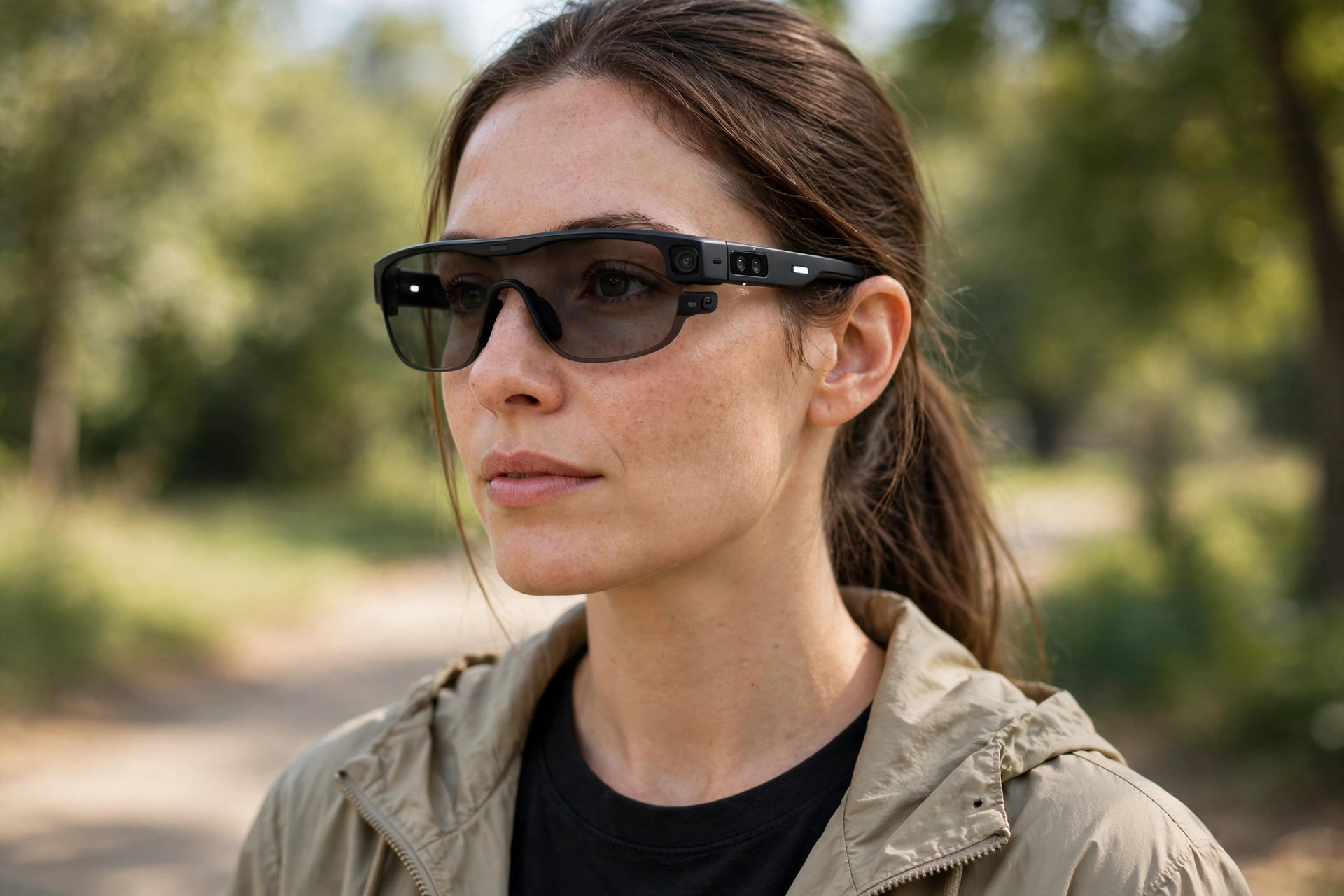
Smart glasses are one of the most interesting types to watch because they move information and audio away from your hands. Depending on the design, they can play audio through built-in speakers, take hands-free calls, capture photos or short video, or show simple glanceable information. For commuting, cooking, walking, or working with your hands full, that convenience is the main appeal. Look for glasses that feel like normal eyewear first: comfortable weight, a fit you can wear for hours, and lenses that suit your vision needs. If a model has a camera, learn how it signals recording. For a closer look, see our guide to smart glasses in 2026.
6. Hearables with Health Sensors
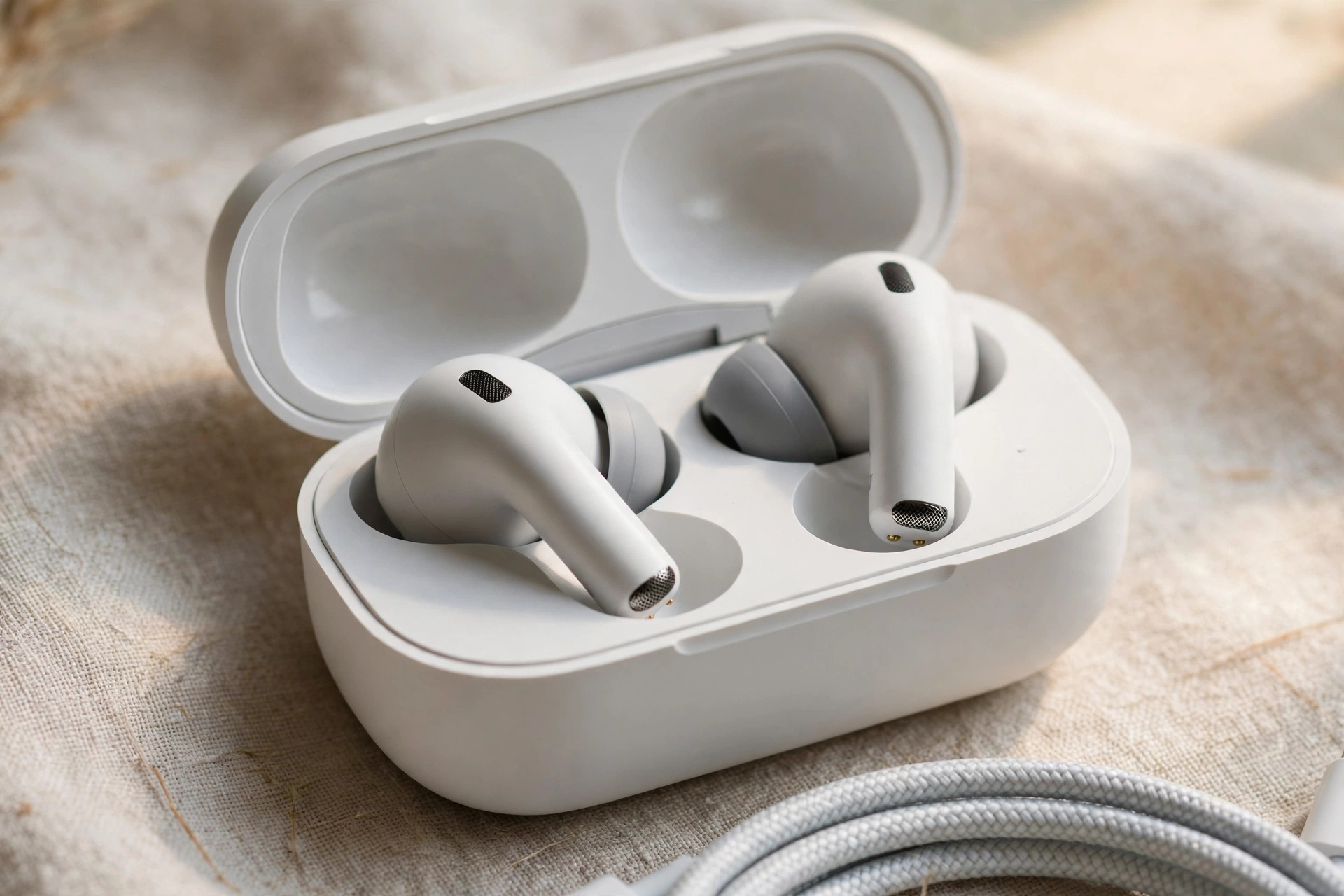
Hearables are smart earbuds and headphones that do more than play music. Many now offer active noise cancellation, a transparency mode for hearing your surroundings, voice assistant access, and, in some designs, sensors that track heart rate or movement during workouts. They suit commuters, gym-goers, and anyone who already wears earbuds for hours each day. Fit is everything: tips that seal well improve both sound and sensor readings, and a secure fit matters during exercise. Look for controls you can use without your phone and a case that is easy to carry. For more on audio-first wearables, see our guide to wireless headphones and earbuds to buy in 2026.
7. Smart Clothing and Sensor Apparel
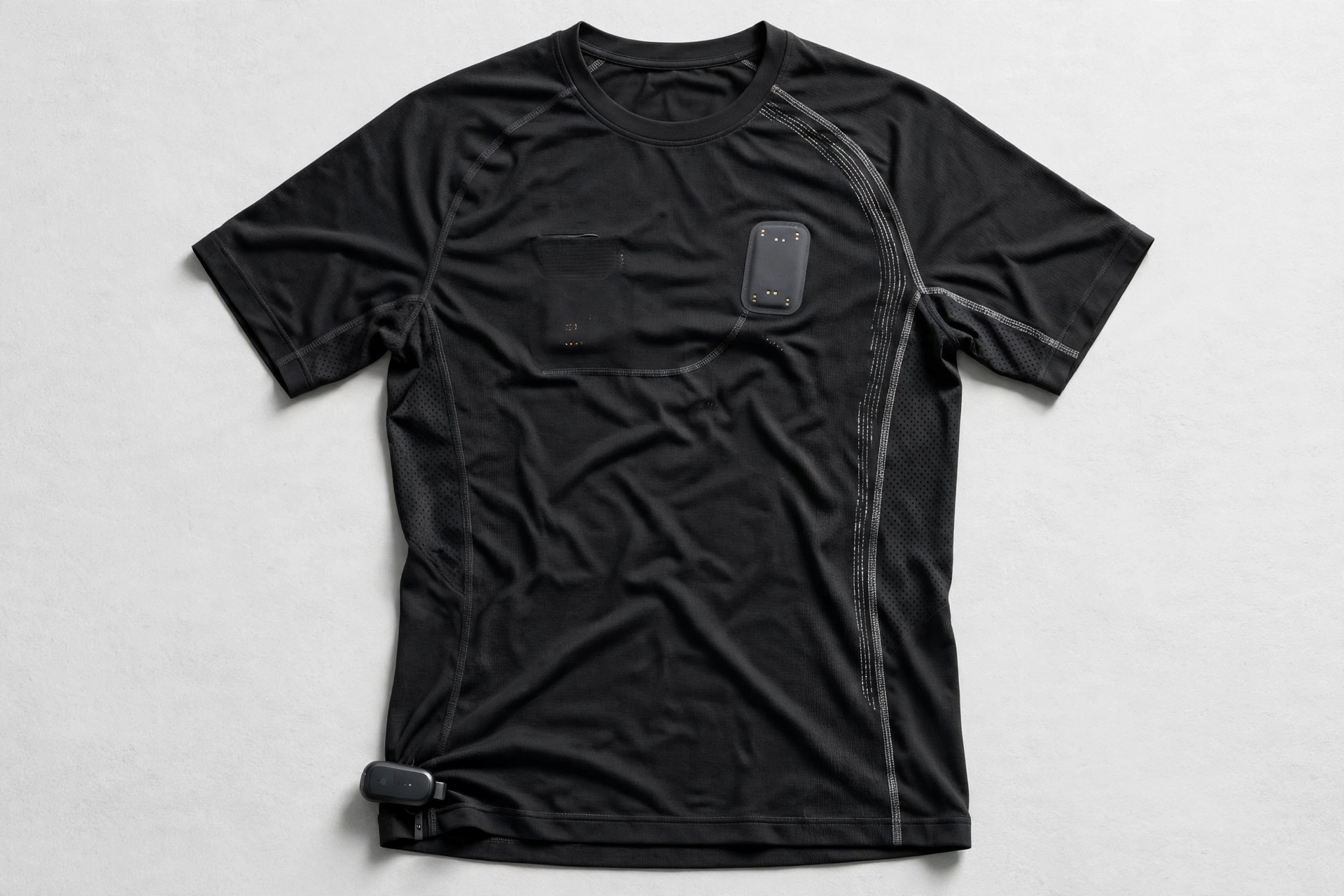
Smart clothing weaves sensors into shirts, shorts, socks, or other garments to track movement, posture, breathing, or muscle activity. Instead of adding another device, the clothing you already wear quietly gathers data during a workout or a workday. For athletes and coaches, this can add context that a wrist device alone may miss, such as how evenly you move. Washing, fit, and durability matter as much as the sensors, so check care instructions and how the electronics are removed or protected. Smart clothing suits people who train regularly and want deeper workout feedback, rather than someone looking for a first wearable.
8. Smart Helmet for Cyclists
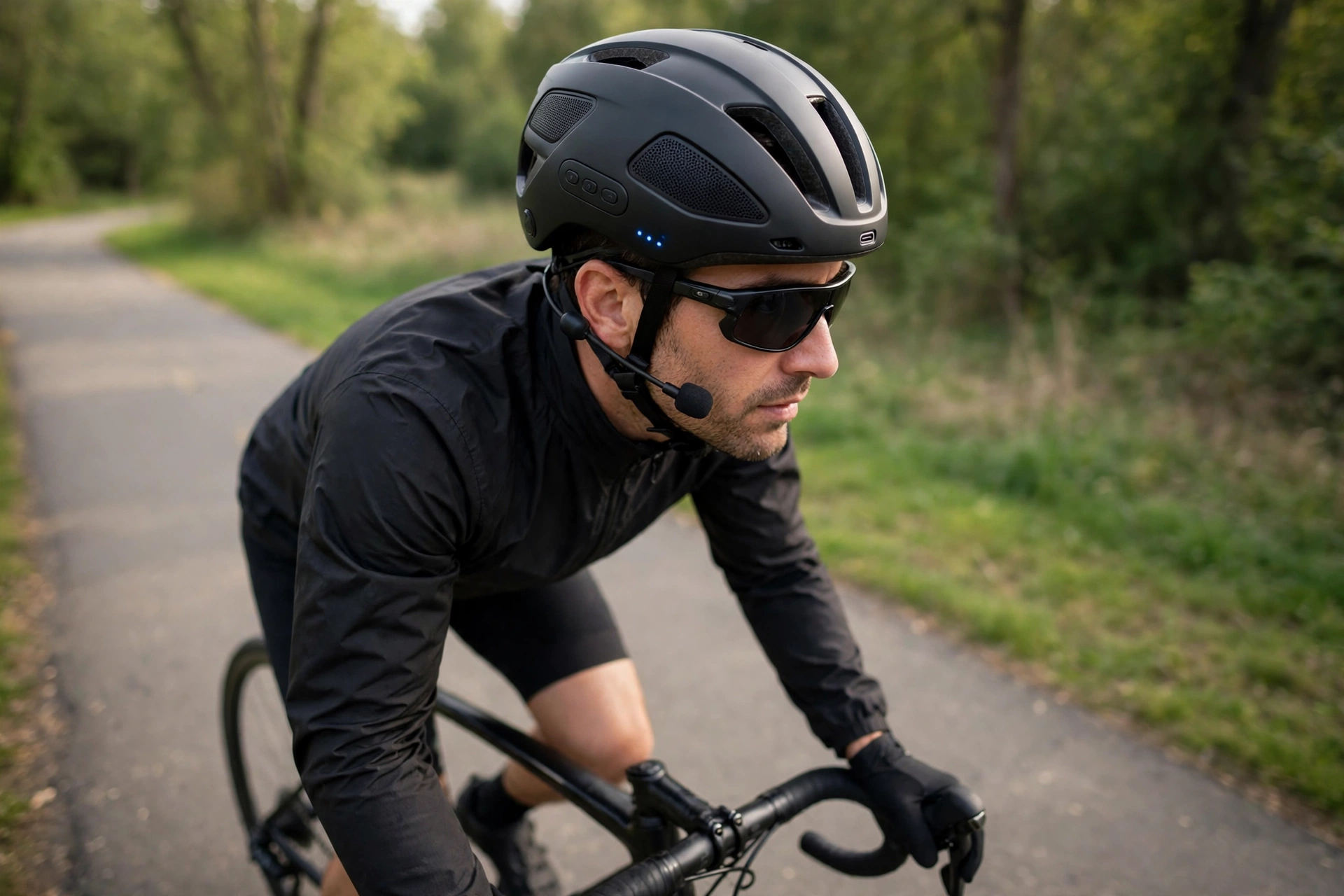
A smart helmet adds connectivity and safety-minded features to a regular cycling helmet, such as built-in speakers, a microphone for calls, turn signals, or crash detection in some designs. The appeal is clear: you can hear navigation prompts or take a call without blocking your ears with earbuds, and stay more aware of traffic around you. Safety comes first. A helmet must fit well, meet the safety standards for your region and riding style, and feel comfortable on long rides. Treat smart features as extras, not replacements for good riding habits, lights, and awareness.
9. Stick-On Health Patch
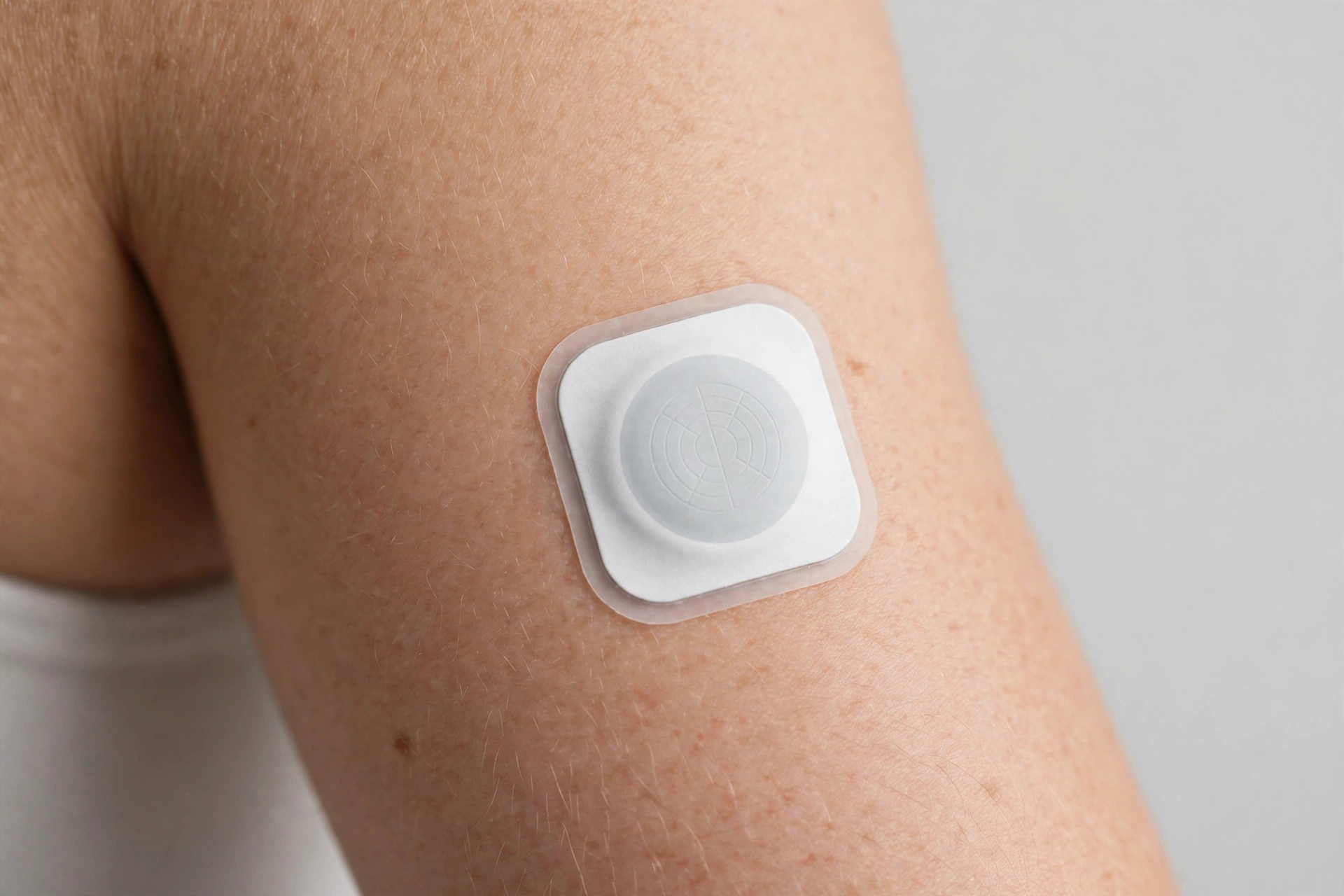
A stick-on health patch is a small, lightweight sensor that attaches to the skin, often on the arm or chest, to track selected measurements over days at a time. Because it stays in place, it can give a more continuous picture than a device you take off at night or between workouts. This suits people who want continuous tracking without wearing a watch or band, and those who find wrist devices uncomfortable. Skin comfort comes first, along with how long a patch lasts, how it handles sweat and showers, and how its data is shared with your phone. Do not assume a patch is a medical device: read what it is actually designed to measure.
10. Smart Jewelry Beyond the Ring
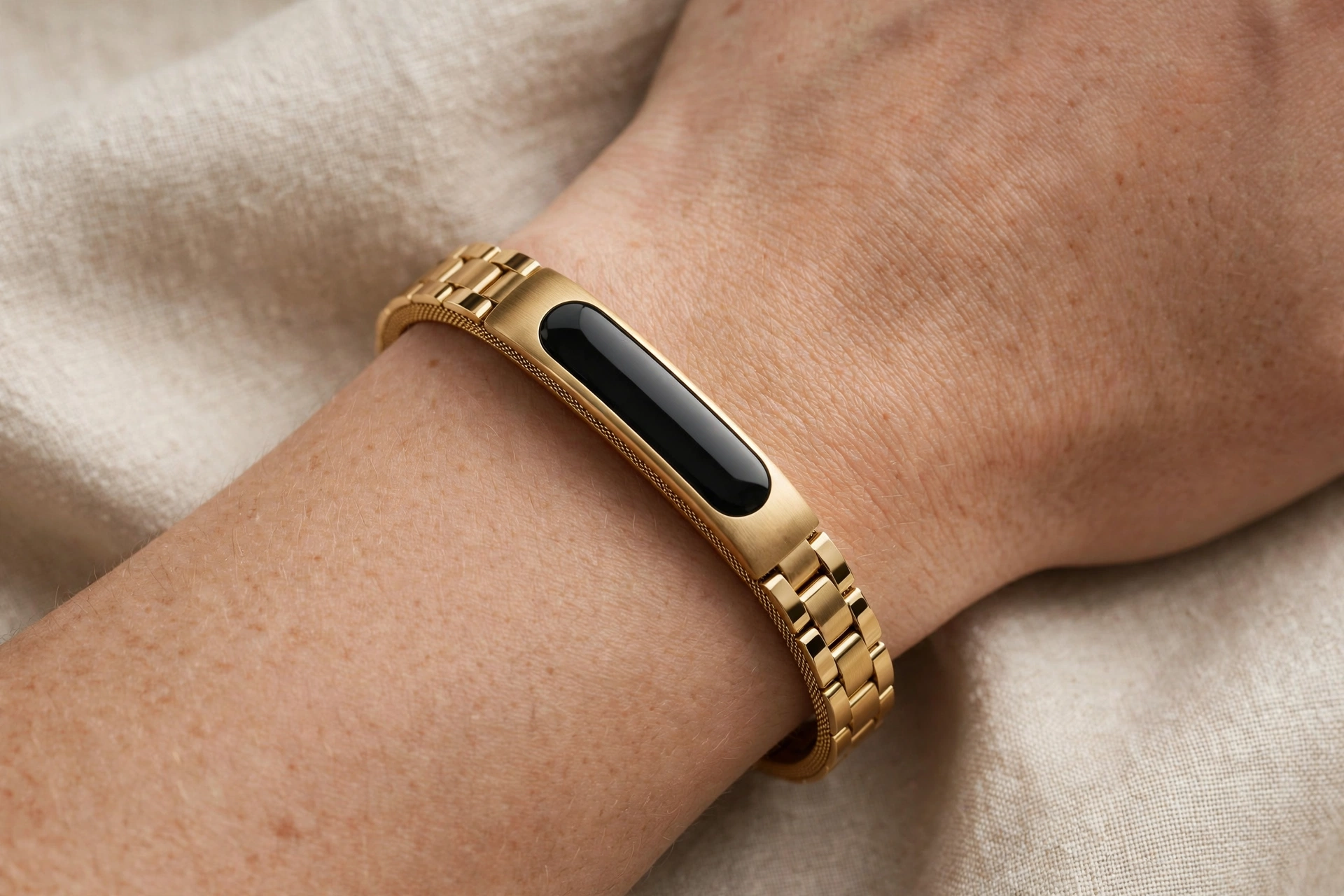
Smart jewelry goes beyond rings to include necklaces, bracelets, and pendants with sensors or connectivity built in. Some focus on activity and sleep, others on notifications through gentle vibrations, and some are designed mainly as discreet safety or communication accessories. The common thread is style: these pieces are meant to look like ordinary jewelry first and technology second. This suits people who want wearable tech that blends in at work, at formal events, or in everyday outfits. Because jewelry is personal, fit, material, and charging matter. If you want rich workout data, a watch or band may still be a better fit.
11. Kids GPS Tracker Watch
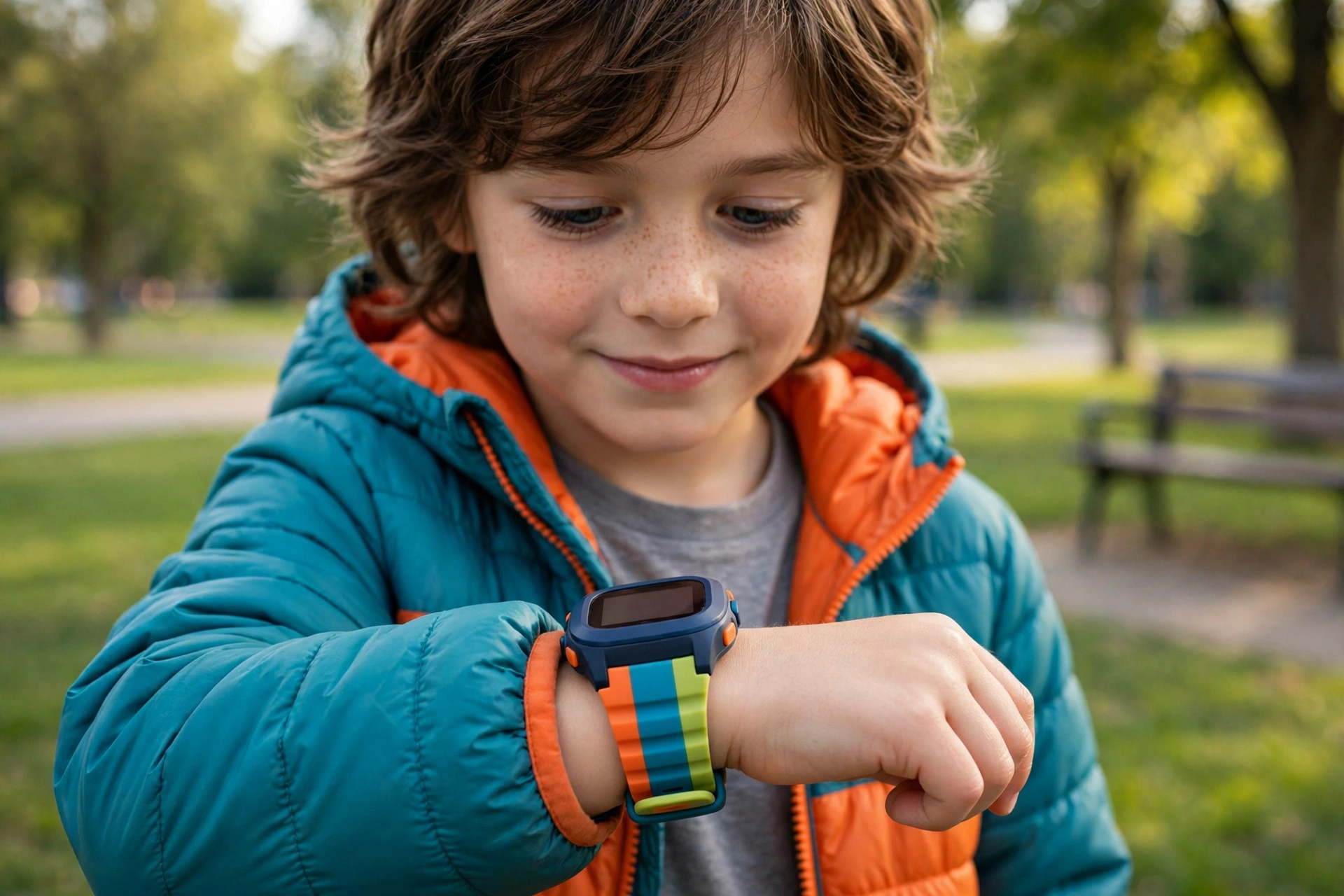
A kids GPS tracker watch is designed for families who want a simple way to stay in touch and know where a child is, without giving them a full smartphone. Typical features include location sharing, calling to approved contacts, and simple messaging or safety alerts, depending on the model. Family rules matter as much as features here. Agree together on when and how the watch will be used, who can contact your child, and how location data is stored and shared. Look for a durable, water-resistant design, a strap that fits a small wrist, and controls a child can understand. A tracker watch is not a replacement for supervision, but as a first connected device, it can be a sensible middle step before a phone.
12. Screen-Free Recovery Tracker
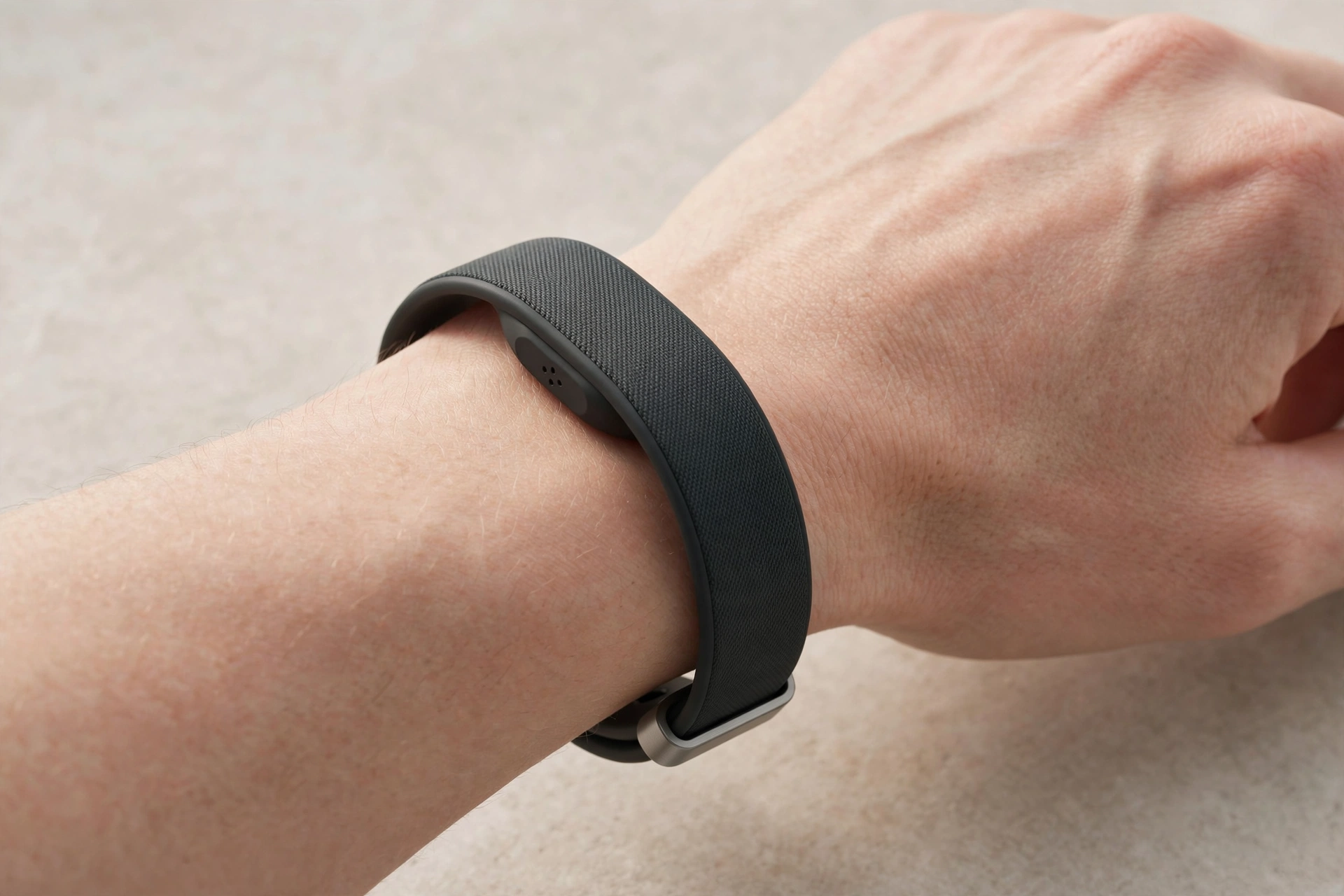
A screen-free recovery tracker is a small band or clip with no display, focused on sleep, strain, and recovery rather than notifications or apps on your wrist. By removing the screen, it removes a common source of distraction, which appeals to athletes and busy professionals who want data without another buzzing device. You review everything later in the companion app, often as a daily readiness or recovery score. This suits people who already have a phone or watch for messages, but want a dedicated tool for training and rest. Since there is no screen, the app experience matters even more, and comfort for 24-hour wear is essential.
Helpful Tips
- Start with your routine, not the feature list. A runner, a desk worker, and a parent will need very different wearables.
- Check phone compatibility first. Some watches and glasses work best inside one phone ecosystem, while bands and rings are often more flexible.
- Test comfort before committing. Wear a new device for a full day and night if you can, including during sleep and exercise.
- Add up the real cost. A lower device price can hide a subscription for sleep, coaching, or full health features.
- Read data as trends, not verdicts. A pattern over weeks is more useful than one unusual night or reading.
- Protect your privacy. Review what data a wearable collects, how it is stored, and whether you can delete it, especially for location and camera features.
Frequently Asked Questions
Q: What is the best wearable tech type for a beginner?
A: A slim fitness band or an everyday smartwatch is usually the easiest place to start. Bands are simpler and lighter, while smartwatches add notifications and apps. Choose the one you are most likely to wear every day.
Q: Are smart rings better than smartwatches for sleep tracking?
A: Smart rings can be more comfortable overnight and less distracting, which helps some people wear them consistently. Smartwatches often show more on-device detail and cover more activities.
Q: Do wearable gadgets need a subscription?
A: Some do, some do not. Certain rings and recovery trackers reserve detailed insights or coaching for a paid plan, while many watches and bands include basic tracking for free. Always check which features are subscription-only before you buy.
Q: Can wearables replace a doctor’s advice?
A: No. Wearables can show useful trends in activity, sleep, and heart rate, but they are consumer gadgets, not medical devices. If you have a health concern, talk to a qualified professional rather than relying on a wearable alone.
Q: How do I choose between a GPS sports watch and an everyday smartwatch?
A: Pick a GPS sports watch if outdoor training data, durability, and workout feedback are your priority. Pick an everyday smartwatch if notifications, apps, and general daily tracking matter more.
Conclusion
Wearable tech in 2026 is moving toward choice: smaller rings, quieter trackers, hands-free glasses, smarter clothing, and family-friendly watches all have a place, depending on your life. You do not need the most advanced device, and you certainly do not need several wearables doing the same job. Pick the form you will actually wear, check compatibility and ongoing costs, and give it a few weeks before judging it.
Start with one clear goal, and let comfort and consistency guide your choice.