
10 Best Wireless Headphones and Earbuds to Buy in 2026
10 Best Wireless Headphones and Earbuds to Buy in 2026
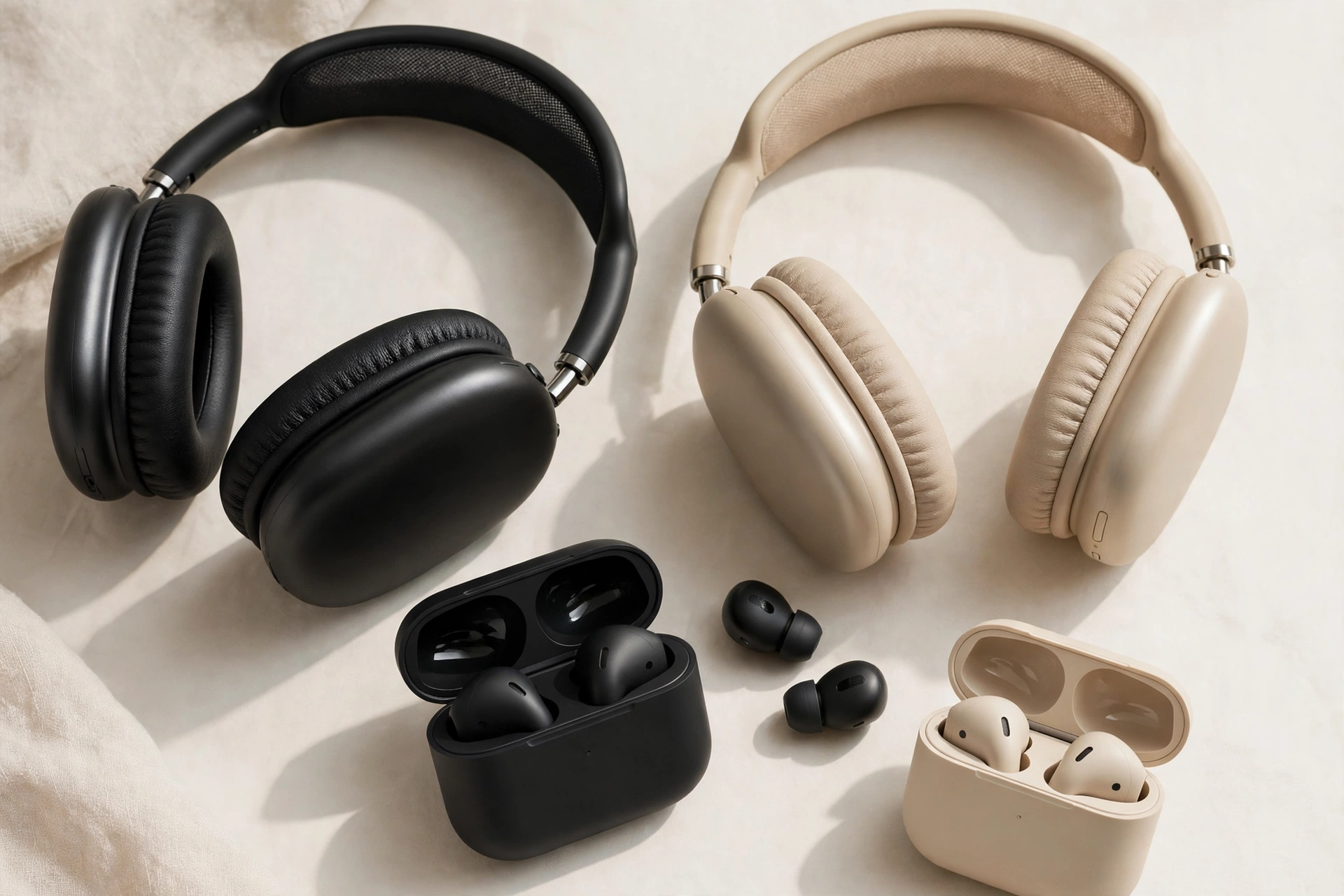
Table of Contents
- Introduction
- Idea 1: Over-Ear Noise-Cancelling Headphones
- Idea 2: True Wireless Earbuds for Everyday Listening
- Idea 3: Sport Earbuds with a Secure Fit
- Idea 4: Open-Ear Earbuds for Awareness
- Idea 5: Kids-Safe Headphones
- Idea 6: Studio-Style Headphones for Detailed Listening
- Idea 7: Travel Headphones for Flights and Commutes
- Idea 8: Office and Call Headsets
- Idea 9: Budget Everyday Earbuds
- Idea 10: Workout Headphones with Ear Hooks
- Tips for Choosing Wireless Headphones and Earbuds
- Frequently Asked Questions
- Conclusion
Introduction
Wireless headphones and earbuds have become one of the most personal pieces of tech you own. You wear them on a morning walk, on a crowded train, during a work call, and while winding down at night, so the right pair is less about chasing a headline feature and more about matching how you actually listen. A pair that sounds wonderful in a quiet room can still disappoint if it slips out during a run, feels heavy after an hour, or makes your voice sound muffled on calls.
That is why this guide is organized by type and use, rather than by brand or price. If you are comparing audio gear with the rest of your setup, our 15 Best Tech Gadgets to Buy in 2026 guide looks at smart devices more broadly, while this article stays focused on headphones and earbuds themselves. Before you buy, ask where you will listen most, how long you will wear them, and whether you want the world shut out or kept in.
Idea 1: Over-Ear Noise-Cancelling Headphones
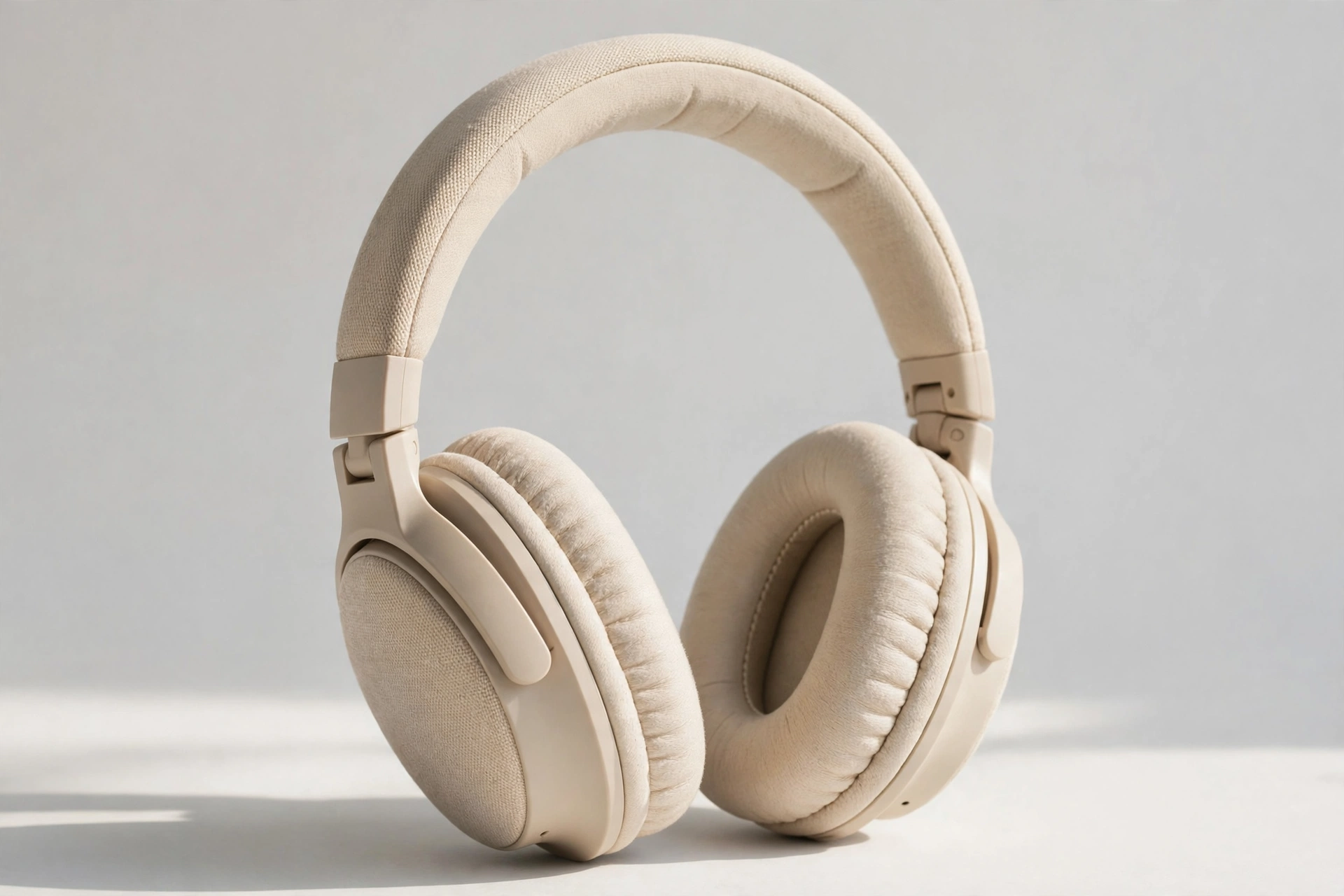
Over-ear noise-cancelling headphones are the classic choice for long listening sessions. Large ear cups sit around the ears rather than pressing on them, which many people find more comfortable over time, and the sealed design already blocks a fair amount of outside sound. Active noise cancellation then works on steady background noise, such as engine hum, office air conditioning, or train rumble, making them a natural fit for open offices, study sessions, and flights. Compare weight, clamping force, and cushion comfort after a while, not just on first wear, and check whether they fold flat and offer a transparency mode for announcements.
Idea 2: True Wireless Earbuds for Everyday Listening
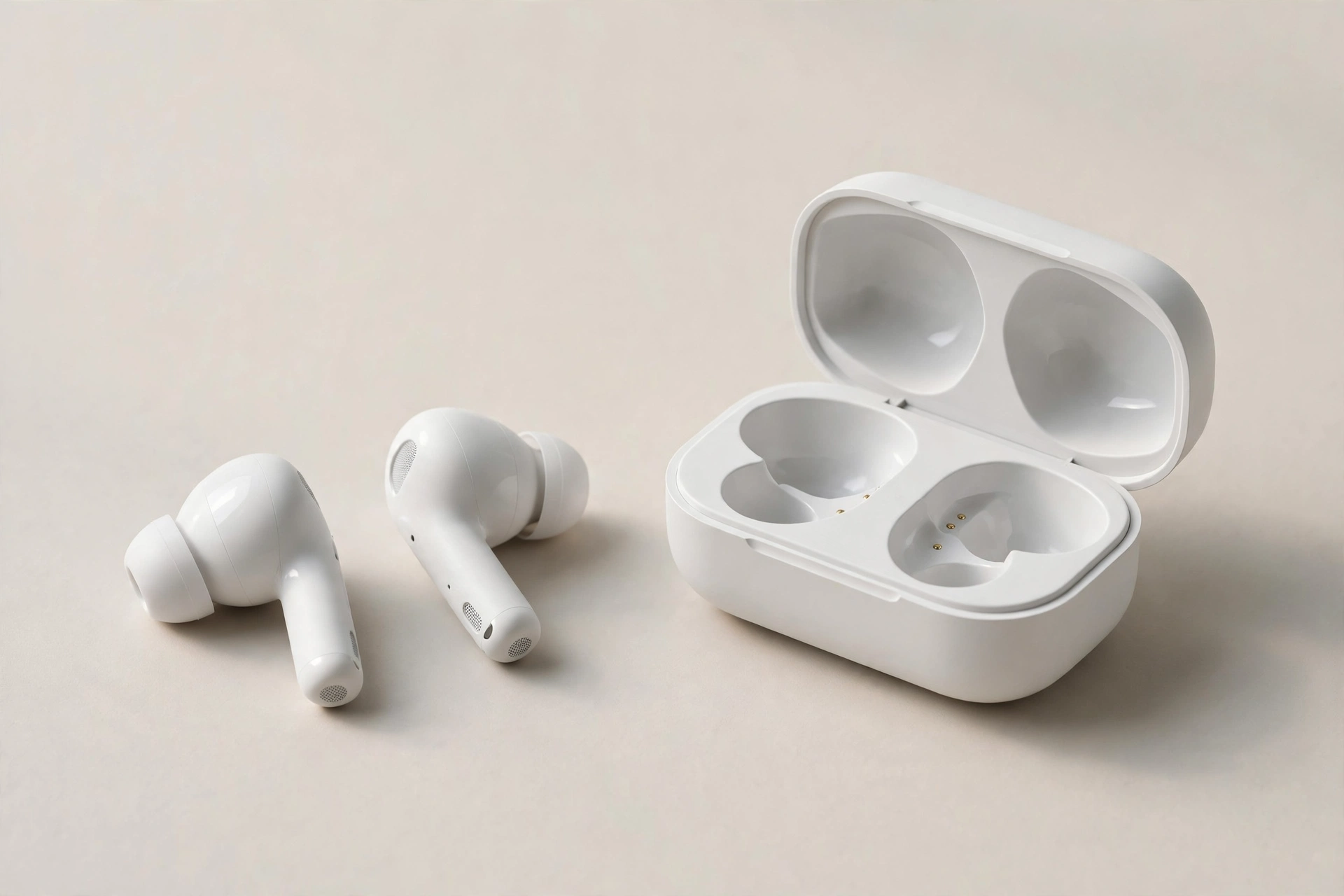
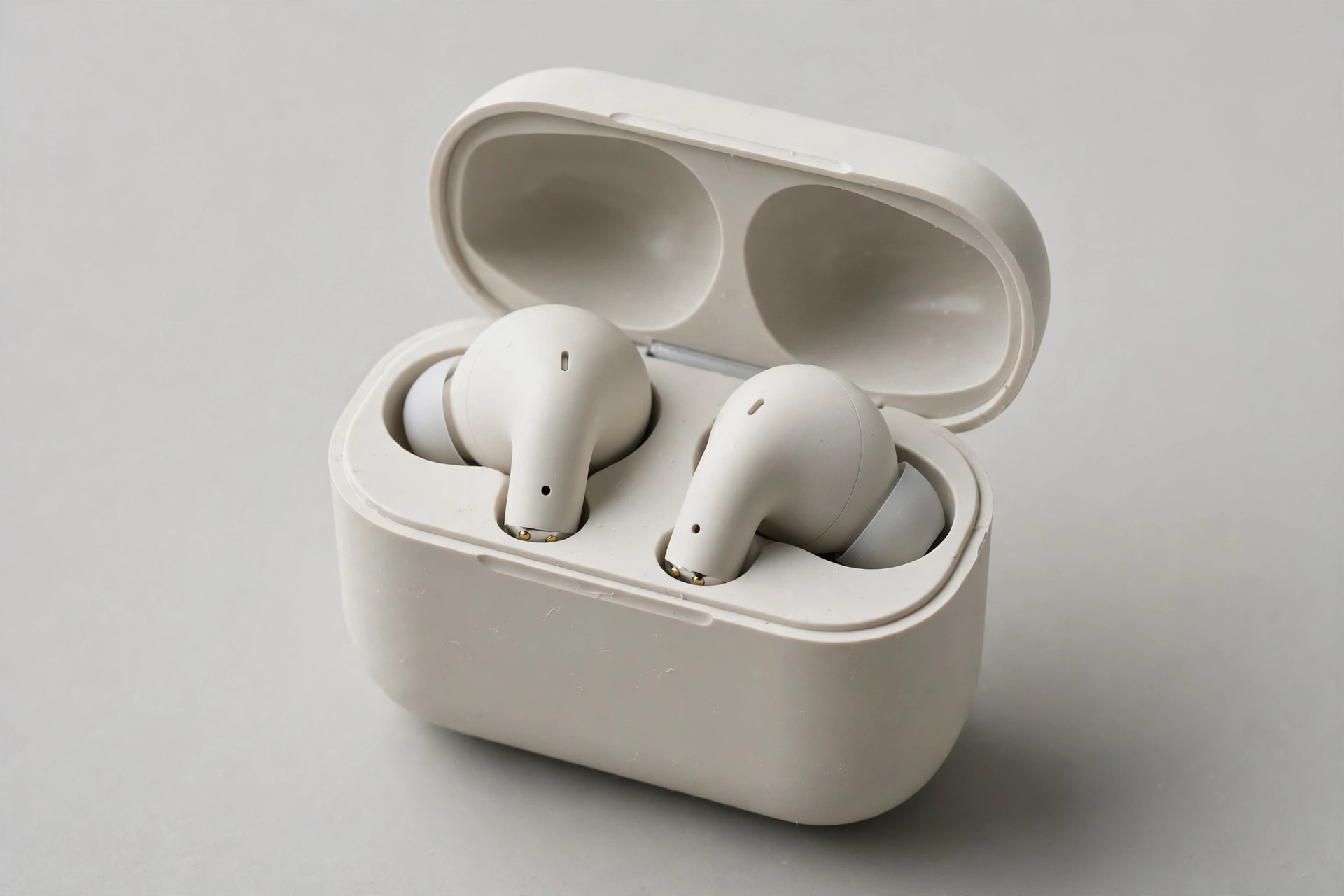
True wireless earbuds, the small pair with no cable between the buds and a pocket-sized charging case, are the most convenient option for everyday listening. They disappear into a jacket pocket, pair quickly with a phone, and handle music, podcasts, and calls without fuss. For many people, this is the pair used every single day, which makes comfort and a reliable fit more important than any single extra feature. Try every ear tip size in the box, because a proper seal gives fuller sound and better passive isolation, and if you switch between a phone and a laptop, multipoint connectivity helps.
Idea 3: Sport Earbuds with a Secure Fit
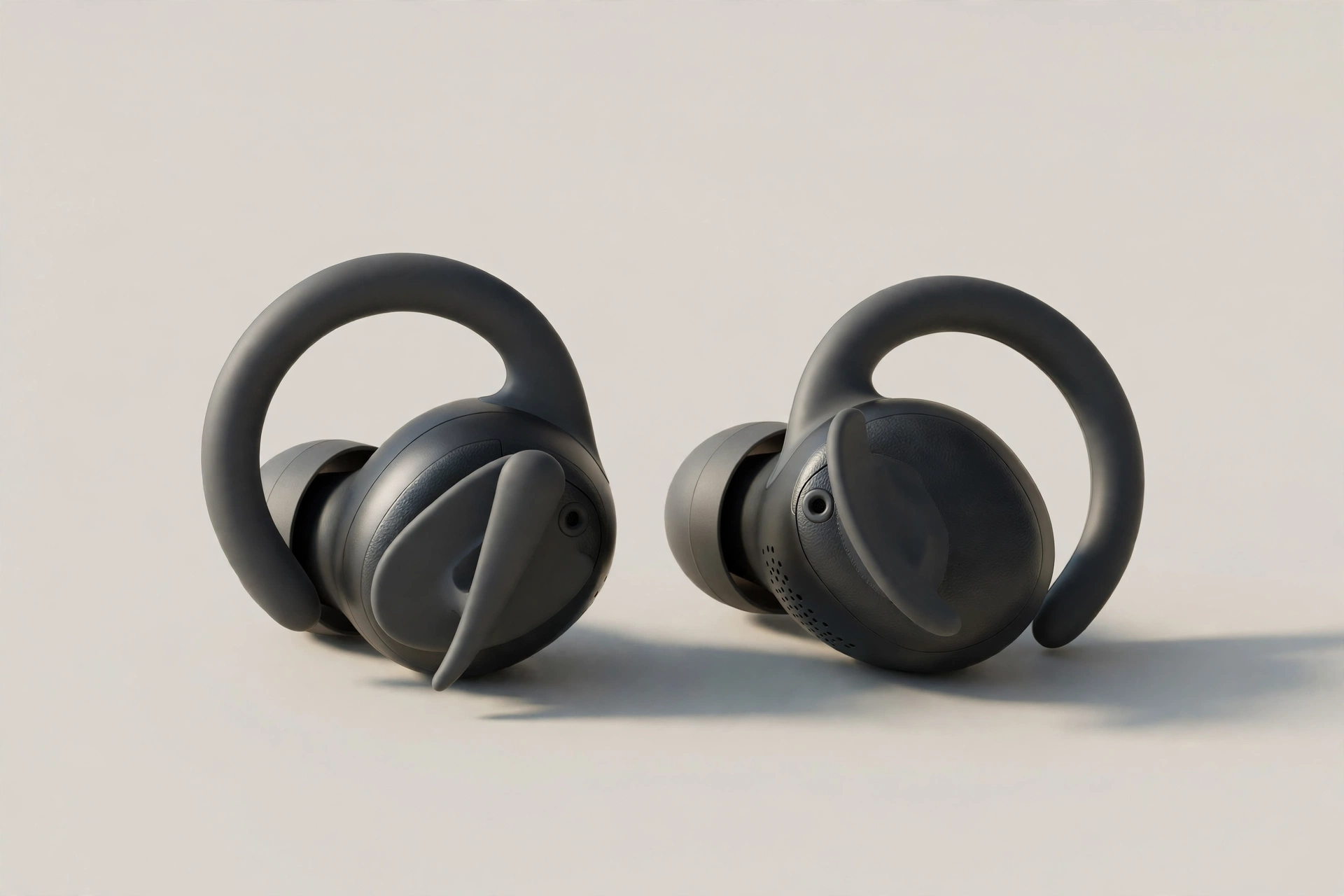
Sport earbuds are built around one promise: they stay put. Whether you run, lift, or move through a fast-paced workout, a bud that constantly needs adjusting will ruin the session. This type usually pairs a snug in-ear fit with a wing, fin, or hook that anchors the bud in the outer ear, and the best test is moving your head, jumping lightly, and walking briskly while wearing them. Sweat and rain resistance matters too, so look for a rating suited to workouts and controls that work with damp hands. A secure fit should never cause pain, so if a design aches after a short trial, it is not the right shape for your ears.
Idea 4: Open-Ear Earbuds for Awareness
Open-ear earbuds sit just outside or lightly on the ear instead of sealing the ear canal, so you can hear music or a podcast while still hearing the world around you. That trade-off is exactly the point. Runners, cyclists, dog walkers, and parents who need to hear a child or a doorbell often prefer this design, because awareness is a safety feature, not a compromise they resent. Sound will naturally feel more open and less bass-heavy than a sealed earbud, which is normal for this type. Compare whether voices stay clear at a comfortable volume, whether the design stays stable without pressing on your ears, and whether wind noise becomes distracting outdoors.
Idea 5: Kids-Safe Headphones
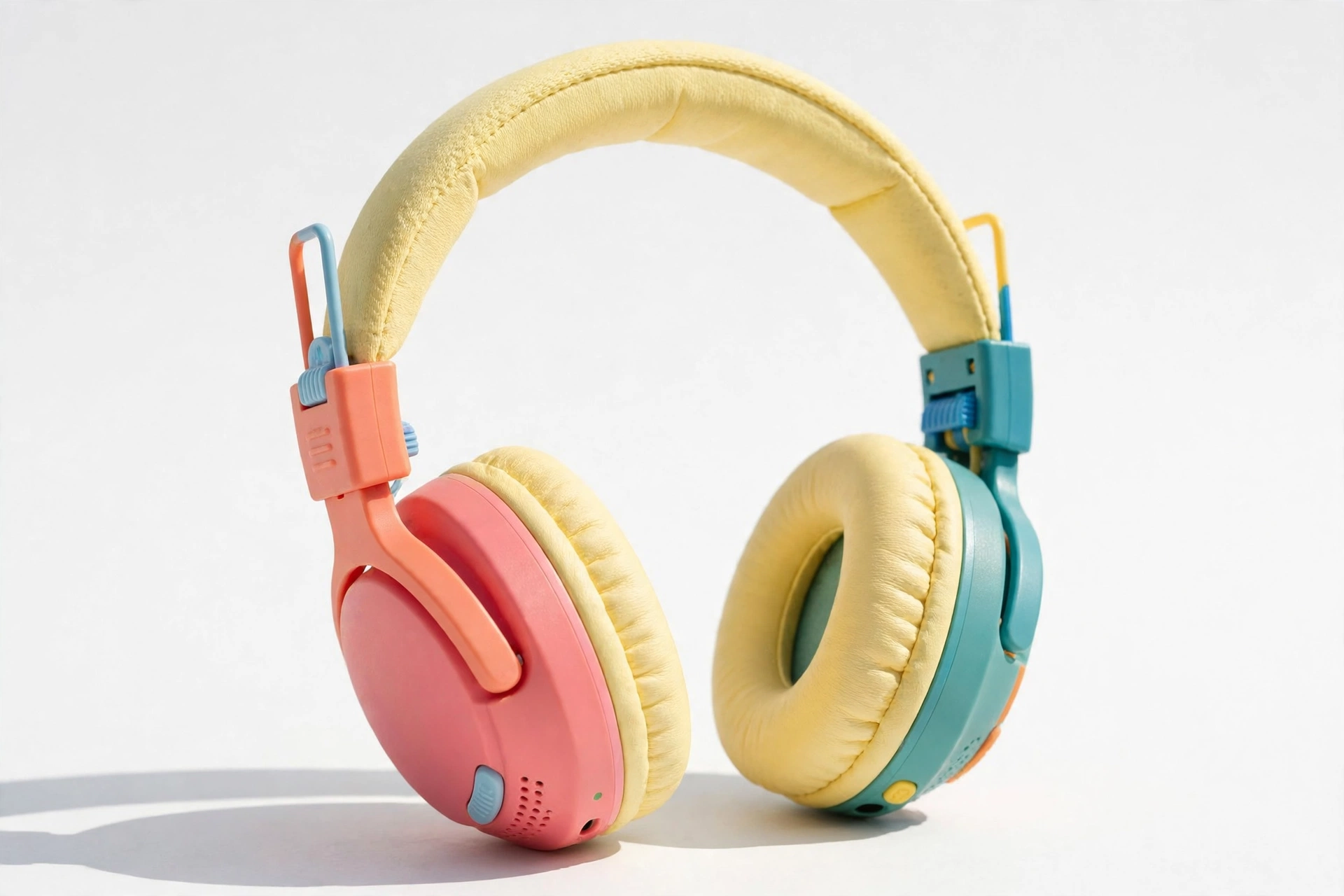
Kids-safe headphones are designed with young listeners in mind, and the most important feature is a volume limit that keeps listening levels in a safer range. Children do not always notice when sound is too loud, and they may not tell you, so a built-in limit matters far more than sound quality or extra features. A comfortable, adjustable fit is also important, since children’s heads grow quickly and a pair that is too tight will simply not get worn. Durability is the next practical test: look for a sturdy headband, a design that survives a backpack, and cushions that can be wiped clean. If they are for school or travel, check whether they fold flat and work with a cable as a backup.
Idea 6: Studio-Style Headphones for Detailed Listening
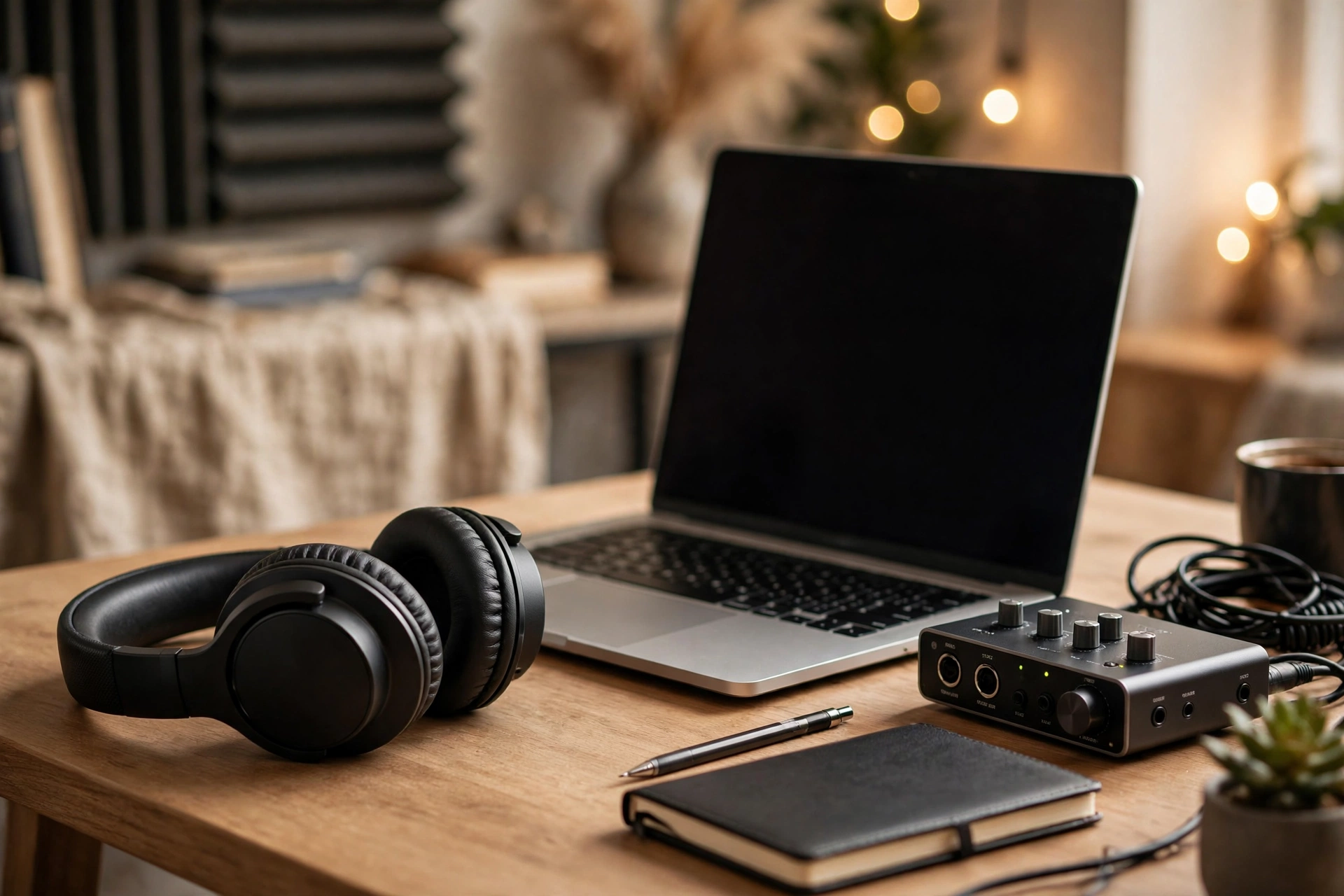
Studio-style headphones are made for listeners who want to hear detail: the texture of a voice, the separation between instruments, or the subtle layers in a well-recorded track. They tend to favor a more balanced, less exaggerated sound than fashion or fitness models, and many offer a wired option alongside wireless listening, which is useful for focused sessions at a desk where a cable is no bother. Comfort over long sessions matters just as much as sound, so look for even weight distribution, breathable cushions, and a headband that does not press after an hour or two. Check whether the sound stays clear at low volumes too, because detailed listening should not require turning everything up.
Idea 7: Travel Headphones for Flights and Commutes
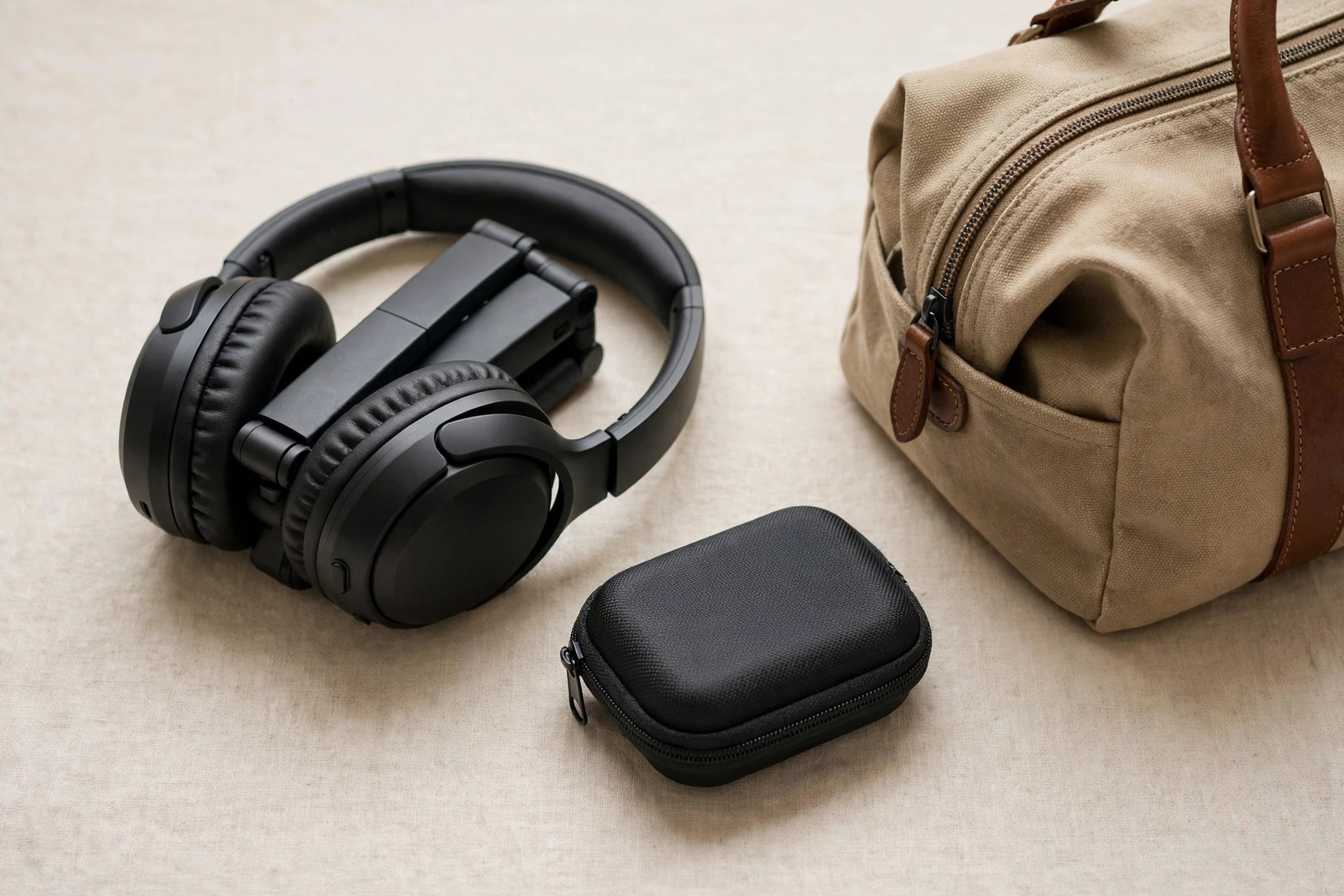
Travel headphones are the practical answer to noisy journeys. They combine strong noise cancellation with dependable battery life, a case that protects them in a bag, and a design that stays comfortable through a whole flight or a long train ride. On a plane, the difference between decent and genuinely good noise control is the difference between arriving rested and arriving drained. Check whether they fold into a compact case, connect to in-flight entertainment with a cable or adapter, and offer controls that are easy to use in a dark cabin. A transparency mode helps with announcements, and weight becomes very noticeable by the third hour of a journey.
Idea 8: Office and Call Headsets
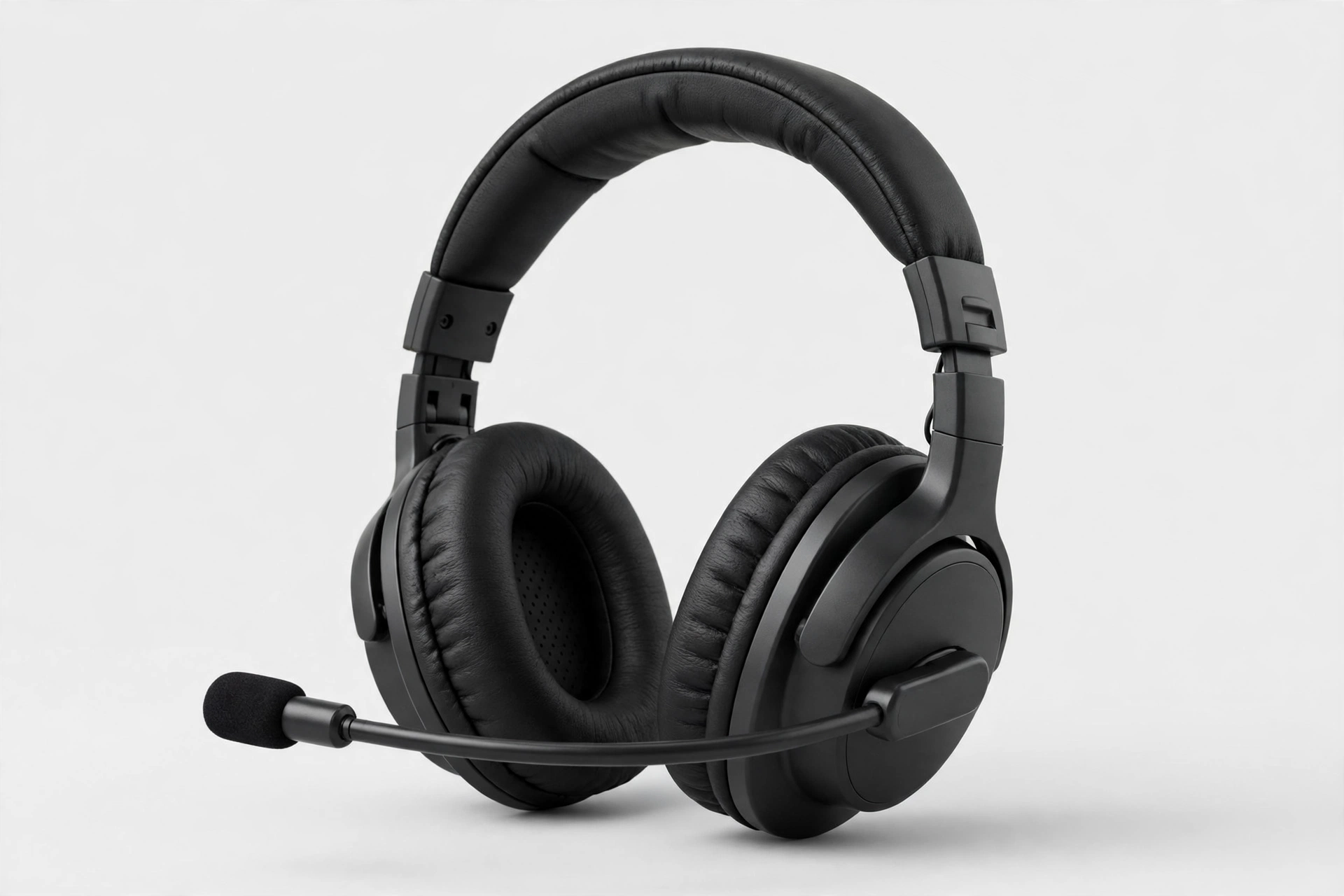
Office and call headsets are built for voices first and music second. If you spend your day on video calls, this type prioritizes clear microphone pickup, comfort through back-to-back meetings, and switching between a phone and a computer without reconnecting. A boom microphone, or a well-placed mic array, helps your voice cut through background noise, which matters far more to colleagues than how your music sounds. Test call quality in a real room, not just a quiet one, and check for a mute control you can find by touch, sidetone that lets you hear your own voice naturally, and a fit that does not press after a full morning of calls. Single-cup designs leave one ear free for the office; two-cup designs suit focused work.
Idea 9: Budget Everyday Earbuds
Budget everyday earbuds prove that you do not need to spend a lot to get a pleasant daily listening experience. The gap between inexpensive and premium earbuds has narrowed for basic music and podcast listening, and a well-chosen budget pair can handle commutes, chores, and workouts without worry. Their real strength is freedom from anxiety: you can carry them everywhere or toss them in a bag without treating them like fragile jewelry. The trade-offs are usually in noise cancellation, call quality in wind, and long-session comfort, so set expectations accordingly. Focus on fit, a reliable Bluetooth connection, a case that charges easily, and controls that do not frustrate you, and check the return policy, because a budget pair that hurts after an hour is still a bad buy at any price.
Idea 10: Workout Headphones with Ear Hooks
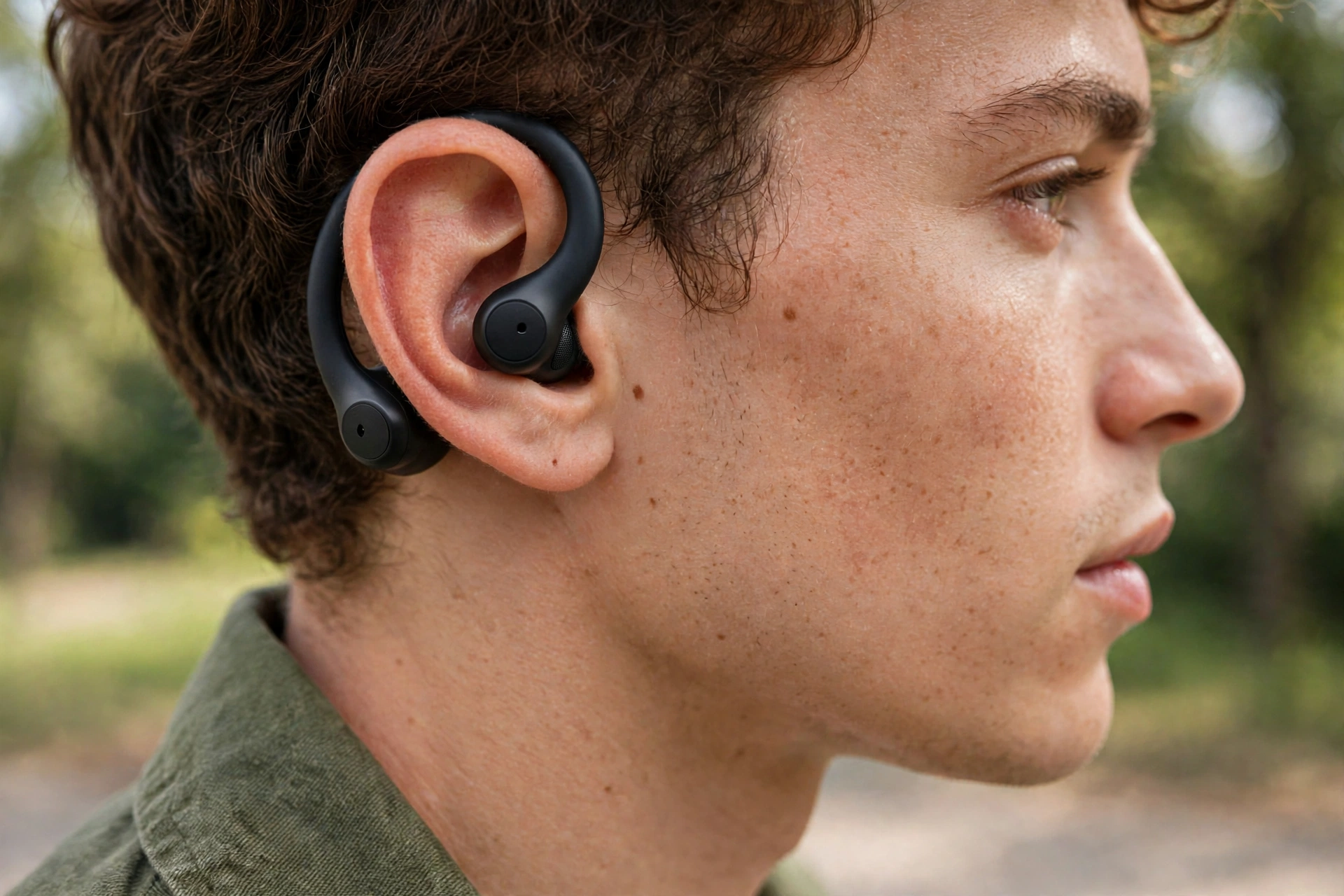
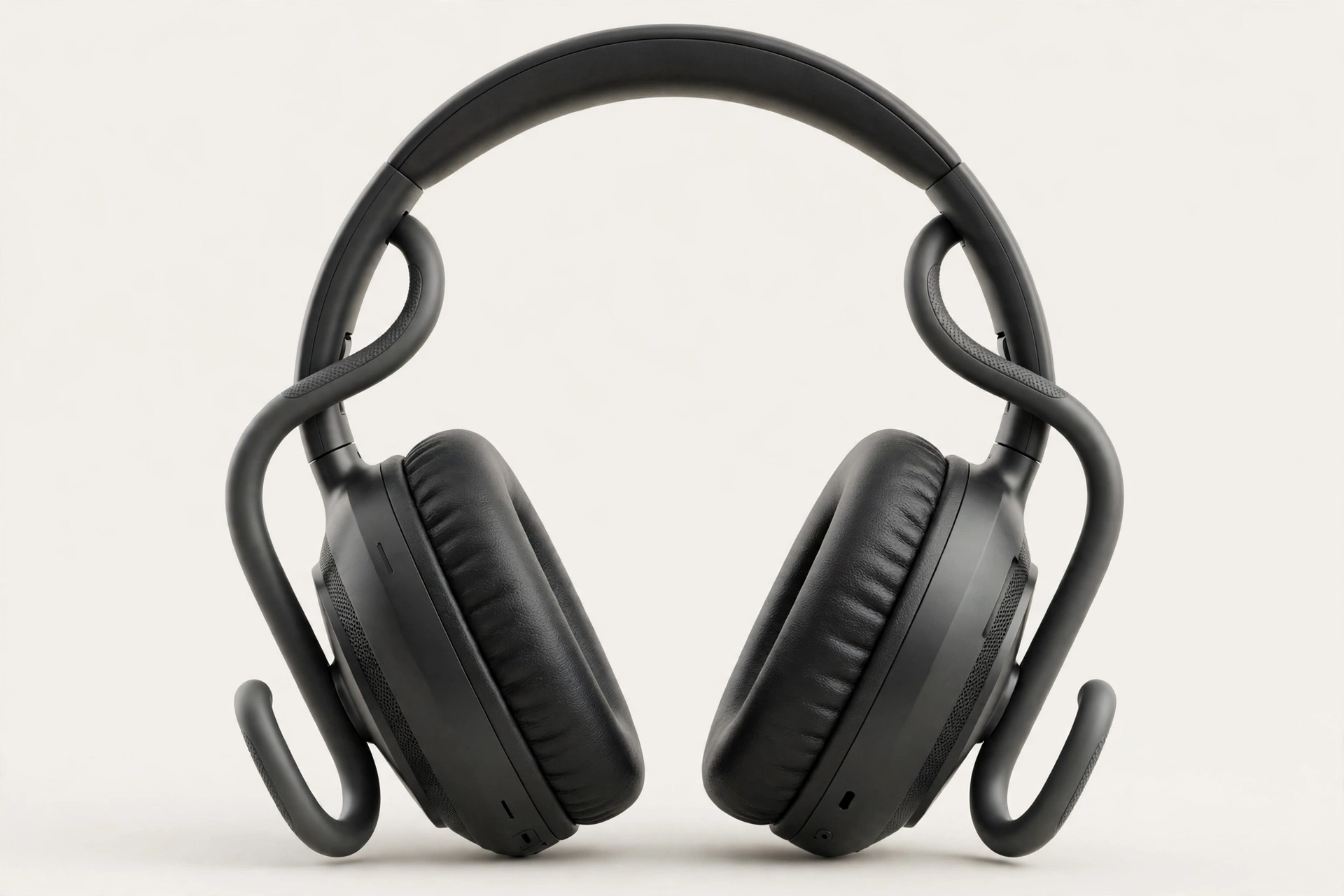
Workout headphones with ear hooks wrap a small hook over the top of the ear, giving an extra anchor that many runners and gym-goers trust more than a bud alone. The hook takes weight off the ear canal, which can make long workouts more comfortable, and it keeps the bud stable through jumps, sprints, and sudden head turns. If standard earbuds have ever slipped out mid-run for you, this type is worth trying before you give up on in-ear listening altogether. Fit the hooks carefully, because a hook that is too tight will ache and one that is too loose will not help. Look for sweat resistance, controls you can operate without looking, and a design that sits comfortably under a cap or headband if you wear one.
Tips for Choosing Wireless Headphones and Earbuds
- Start with fit, not features. Try every ear tip size in the box, and try a different size in each ear if that feels better. A good seal improves sound, isolation, and noise cancellation all at once.
- Judge battery in real use. Compare the per-charge listening time with the total including the charging case, and check whether the quoted figure assumes noise cancellation on or off.
- Choose noise control for your day. Noise cancellation suits flights, commutes, and open offices. Transparency or awareness modes suit roads, shared paths, and homes where you need to hear people around you.
- Check codec and compatibility in general terms. Some higher-quality codecs only work with matching phones, so do not pay extra for a codec your phone cannot use.
- Test calls, not just music. Outdoors or in noisy rooms, microphone quality and wind handling matter enormously.
- Read the warranty and return policy before you buy. Ears are personal, and a pair that fits someone else may not fit you.
Frequently Asked Questions
Q: Are wireless earbuds or over-ear headphones better?
A: It depends on how you listen. Earbuds win on portability, while over-ears usually win on comfort during very long sessions. Match the type to your longest typical session.
Q: Do I really need active noise cancellation?
A: Not always. It is most useful for steady noise on flights, trains, and in open offices. In quiet rooms, a well-fitting pair without it can sound just as enjoyable and cost less.
Q: How do I stop earbuds from falling out?
A: Try all the tip sizes, consider foam tips or a wing, fin, or ear-hook design, and test them while moving, not just sitting still. If sealed tips always feel uncomfortable, an open-ear design may suit you better.
Q: What does water resistance mean for earbuds?
A: A water-resistance rating tells you how well a pair handles sweat and rain. A basic sweat-resistant rating suits most workouts, while a higher rating is worth looking for if you train outdoors in heavy rain.
Q: Should I worry about Bluetooth codecs?
A: Only in general terms. Check that your phone and earbuds share a codec you can actually use, and remember that fit, tuning, and an in-app equalizer usually matter more to everyday sound quality than a codec badge alone.
Conclusion
There is no single best pair for everyone in 2026, and that is good news: you can choose by your life, not by a marketing headline. Long listeners do well with comfortable over-ears, commuters benefit from strong noise control, runners stay safer with open-ear awareness, and kids need a volume limit first. The right pair is the one that fits, feels good after an hour, handles calls clearly, and that you reach for every day without thinking about it.
Pingback: 12 Best Smart Glasses in 2026: Features, Uses, and Buying Tips - Mereio | Honest Product Reviews & Seasonal Deals
Pingback: 12 Best Wearable Tech Gadgets to Watch in 2026 | Mereio