
19 Budget-Friendly Thanksgiving Dinner Ideas That Still Feel Special (2026)
19 Budget-Friendly Thanksgiving Dinner Ideas That Still Feel Special (2026)
A beautiful Thanksgiving dinner does not have to come with a stressful grocery bill. The secret is not cutting the joy out of the day. It is making thoughtful choices early. Then the meal feels generous, warm, and relaxed, from the first hello to the last cup of coffee.
This list is for the host who is paying for dinner and wants it to feel special without overspending. Every idea below is about a menu choice, a shopping habit, or a smarter way to cook and serve. Pick the ones that fit your table, your kitchen, and your guests. Let the rest go.

1. Choose a Turkey Breast for a Smaller Table
A whole bird is wonderful for a crowd, but it can be more than a smaller table needs. A turkey breast still gives you that classic roasted centerpiece. It has golden skin and tender slices. It fits a smaller oven and a smaller guest list. It also cooks faster, which means less time watching the oven and more time enjoying the day. If your table is on the cozy side, this is one of the simplest ways to keep dinner feeling traditional. You buy only what you will enjoy.
Cooking Tip: Pick a turkey breast for a small table, since it cooks faster and leaves less to store.
2. Roast a Whole Chicken as the Centerpiece
Thanksgiving does not have to revolve around one particular bird. A beautifully roasted whole chicken looks just as celebratory on the table. Season it simply and serve it on a platter with herbs. It is often easier to handle in a home oven. It carves in minutes. It pairs well with all the familiar autumn flavors your guests expect. For a smaller gathering, a roast chicken can feel both fresh and familiar. It suits a host trying a new tradition too.

Cooking Tip: Roast a whole chicken when the table is small, since it carves in minutes and still looks festive.
3. Offer a Hearty Plant-Based Main as an Affordable Alternative
A plant-based main built around lentils, beans, or roasted vegetables can be deeply satisfying and wonderfully affordable. Think of a rich, savory bake or a hearty stew-style dish. Season it with herbs and serve it with pride, rather than as an afterthought. It gives vegetarian guests a real centerpiece. It gives everyone at the table another generous option to try. When it is made with care, nobody at the table will think of it as the budget choice. They will simply think of it as delicious.
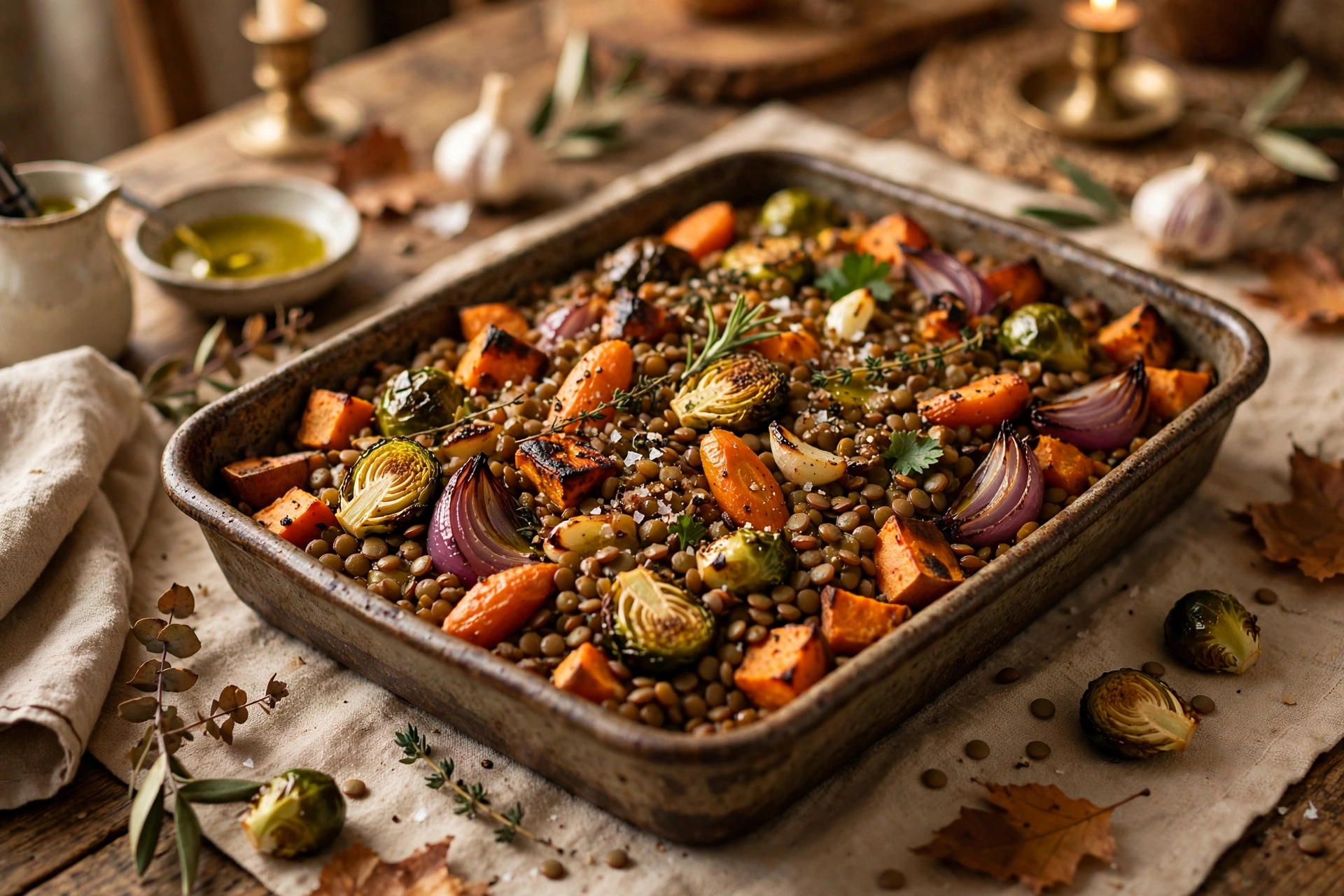
Cooking Tip: Build the plant-based main around lentils or beans, since they are filling and easy on the budget.
4. Let a Slow-Cooker Main Free Up Your Oven and Your Day
A slow cooker is a budget host’s quiet helper. It lets a main dish cook gently for hours with very little attention. Your oven stays free for everything else. That means less juggling, less stress, and less need for extra equipment or last-minute fixes. Set it up in the morning. Enjoy the wonderful smell building through the house. Serve a tender, flavorful main without spending the whole day in the kitchen.

Cooking Tip: Set the slow cooker up in the morning, so the main cooks while the oven stays free.
5. Build the Menu Around Seasonal Produce First
Start your menu with what autumn does best. Pumpkins, squash, apples, root vegetables, and leafy greens are at their peak in November. That usually means they taste better and are easier to find. When seasonal produce leads the menu, the meal practically plans itself around color, flavor, and freshness. Let one or two seasonal stars shape your choices. Then the whole dinner will feel connected to the season without any extra effort.
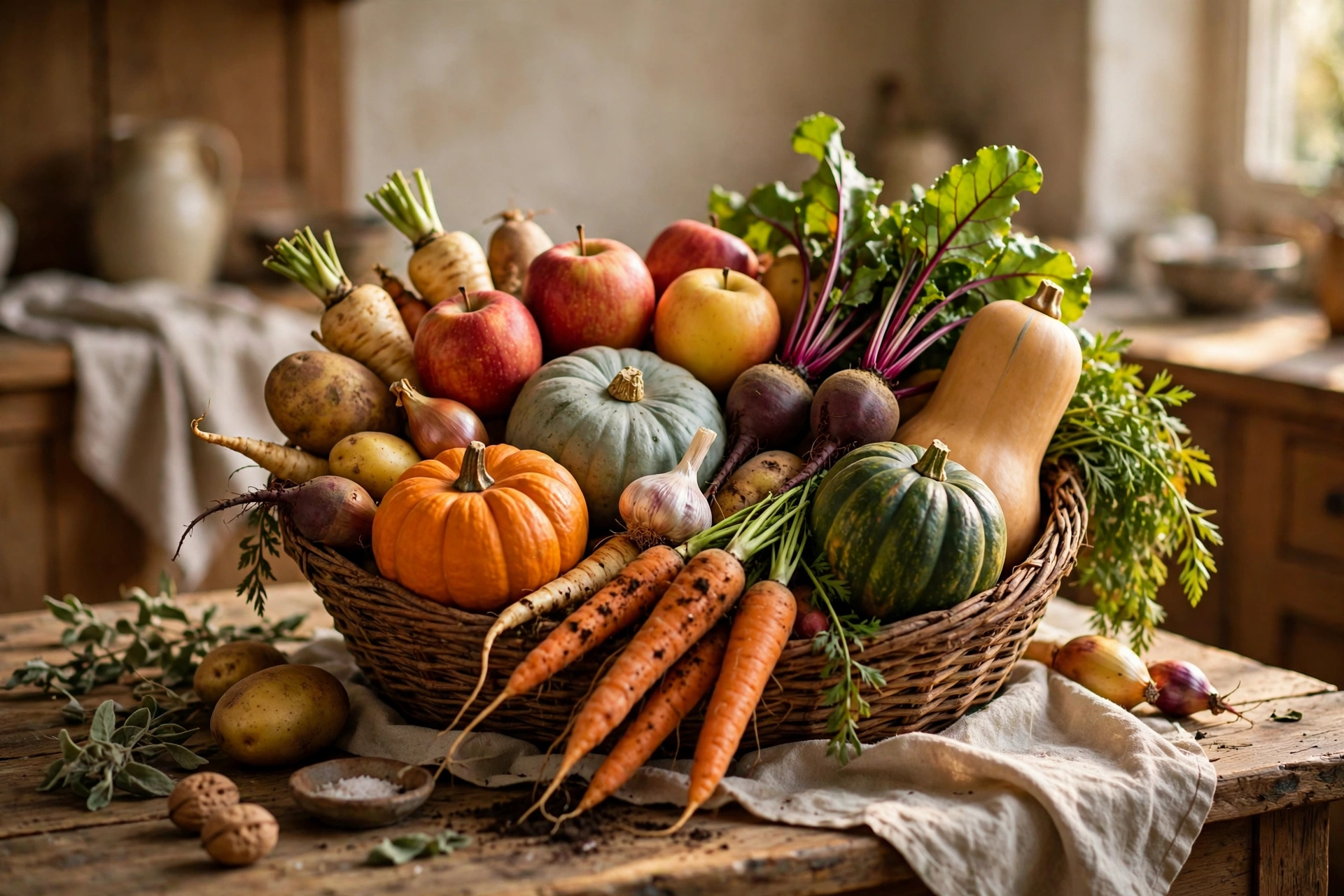
Cooking Tip: Shop seasonal produce first, since November vegetables taste better and are easier to find.
6. Start from Your Pantry Before You Write a Shopping List
Before you buy anything new, take a slow look through your pantry, fridge, and freezer. You may already have grains, beans, canned goods, broth, flour, and spices that can shape the meal. Building around what you own first means fewer duplicate purchases. It also means fewer forgotten ingredients hiding at the back of a shelf. Make a simple list of what you already have. Then shop only for what is truly missing. It is a small habit that quietly saves money every single time.
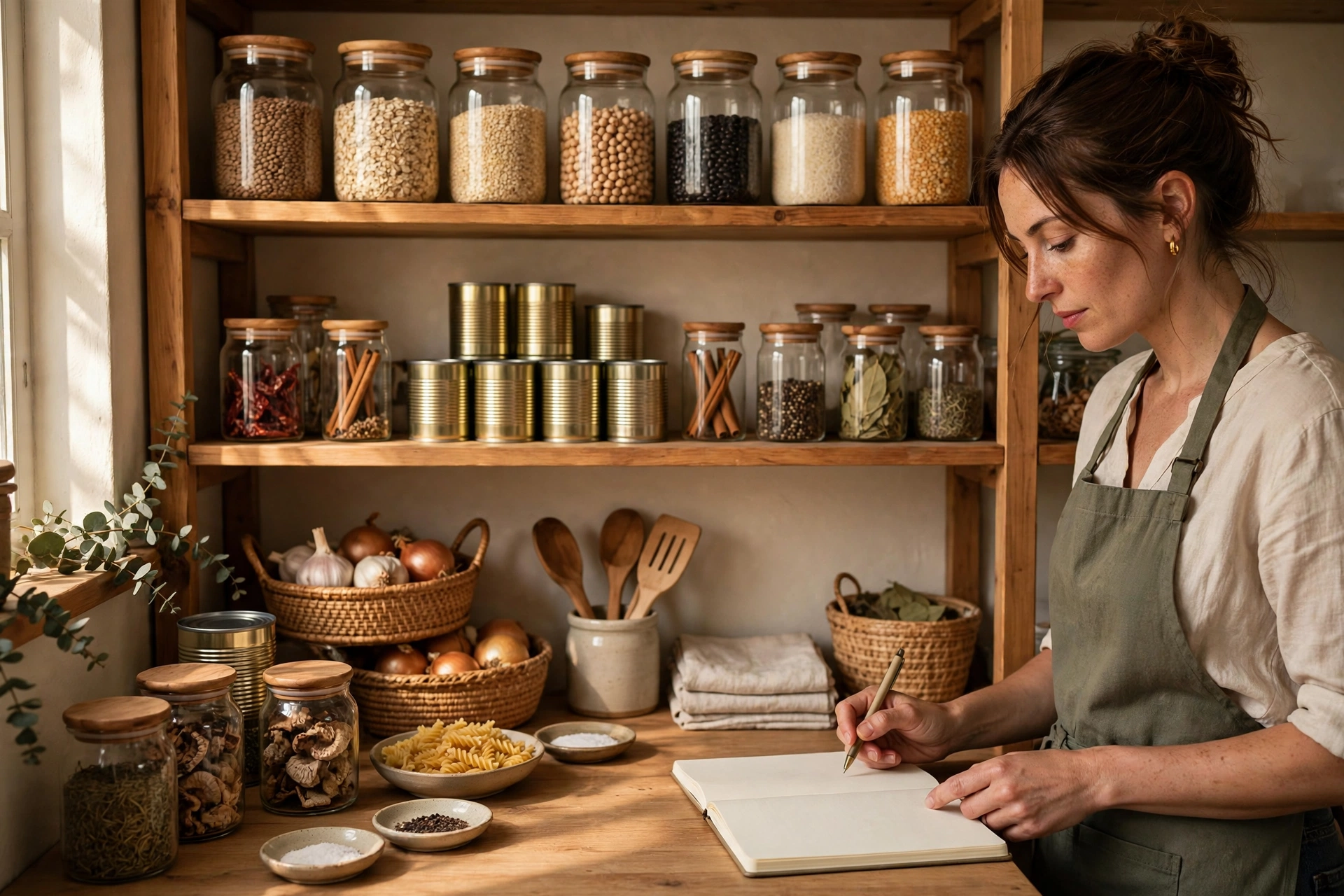
Cooking Tip: Check the pantry before you shop, so you buy only what is truly missing.
7. Shop the Weekly Sales First, Then Finalize the Menu
It is tempting to write the perfect menu first and then shop for it no matter what. Flipping that order can make a real difference. Check the weekly sales. See which ingredients are featured. Let those finds gently shape your final choices. If a seasonal vegetable or a pantry staple is on sale, build a dish around it. This way, your menu stays flexible and your shopping stays focused. You work with the store’s best values instead of against them.

Cooking Tip: Read the weekly sales before you set the menu, so sale items shape your choices.
8. Choose Store Brands for Everyday Basics
For everyday basics like flour, sugar, canned goods, and broth, store brands often do the job beautifully. Once those ingredients are seasoned, baked, or simmered into a dish, guests will notice the flavor, not the label. Save your attention for the few ingredients where quality truly changes the result. Let reliable store brands cover the rest. It is a practical choice that keeps the meal tasting homemade without adding unnecessary cost.
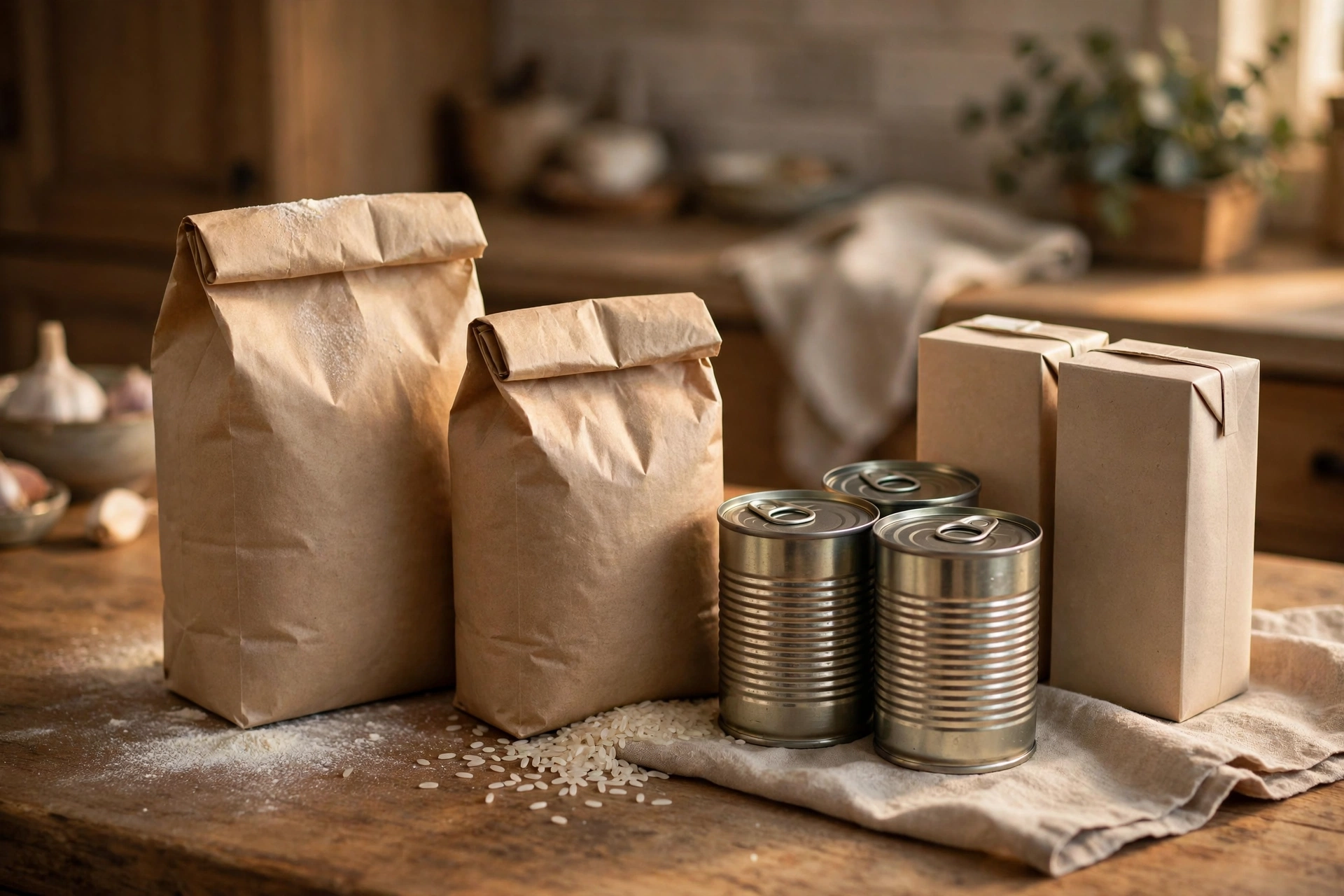
Cooking Tip: Use store brands for basics like flour and broth, since flavor comes from seasoning, not the label.
9. Use Frozen Produce Where Fresh Adds Cost Without Adding Flavor
Frozen vegetables and fruit are picked and frozen at their peak, so they can be a smart, tasty choice for cooked dishes. They keep well. They reduce waste because you use only what you need. They are ready whenever you are. For soups, sauces, and baked dishes, frozen produce often works just as well as fresh. Keep fresh produce for salads and garnishes, where its crisp texture shines. Let frozen options do the hard work in the pot.
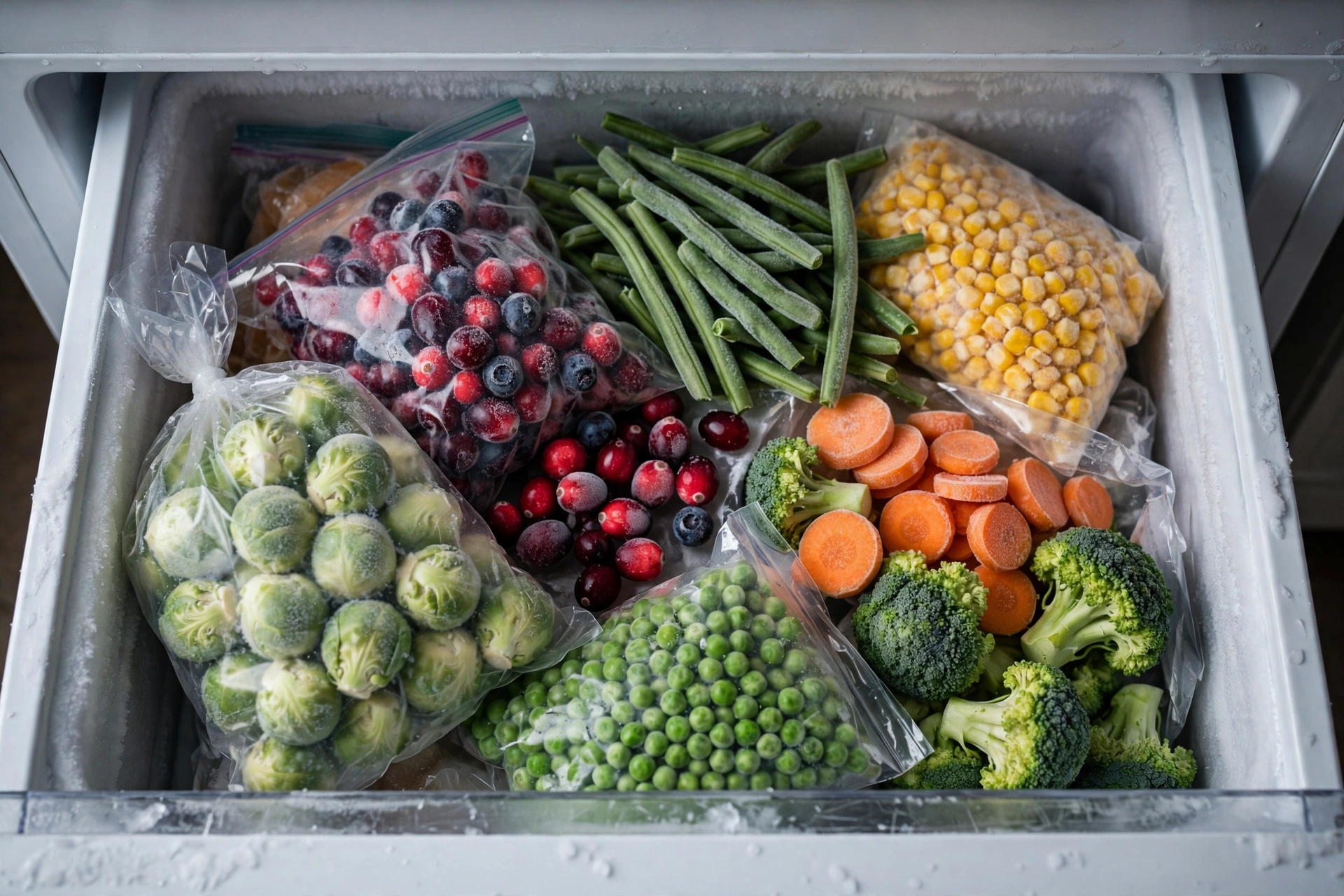
Cooking Tip: Save fresh produce for salads, and let frozen produce do the work in soups and baked dishes.
10. Buy Whole Ingredients and Do the Simple Prep Yourself
Pre-cut and pre-prepped ingredients are convenient, but that convenience comes at a cost. Buying whole vegetables and doing a little chopping yourself is usually more affordable. It often tastes fresher too. Put on some music. Invite a family member to help. Turn prep into part of the holiday rhythm rather than a chore. A sharp knife, a sturdy board, and a few extra minutes are all you need to keep this part of the meal simple and satisfying.

Cooking Tip: Buy whole vegetables and chop them yourself, since pre-cut produce costs more for the same food.
11. Season with the Dried Herbs and Spices You Already Own
You do not need a brand-new spice collection to make Thanksgiving taste wonderful. Take stock of the dried herbs and spices already in your cupboard. Let them guide your seasoning. Sage, thyme, rosemary, cinnamon, and nutmeg can carry a whole holiday menu when used with a light hand. A familiar spice, used well, often tastes better than an unfamiliar one bought at the last minute. Taste as you go. Trust the flavors you already love.
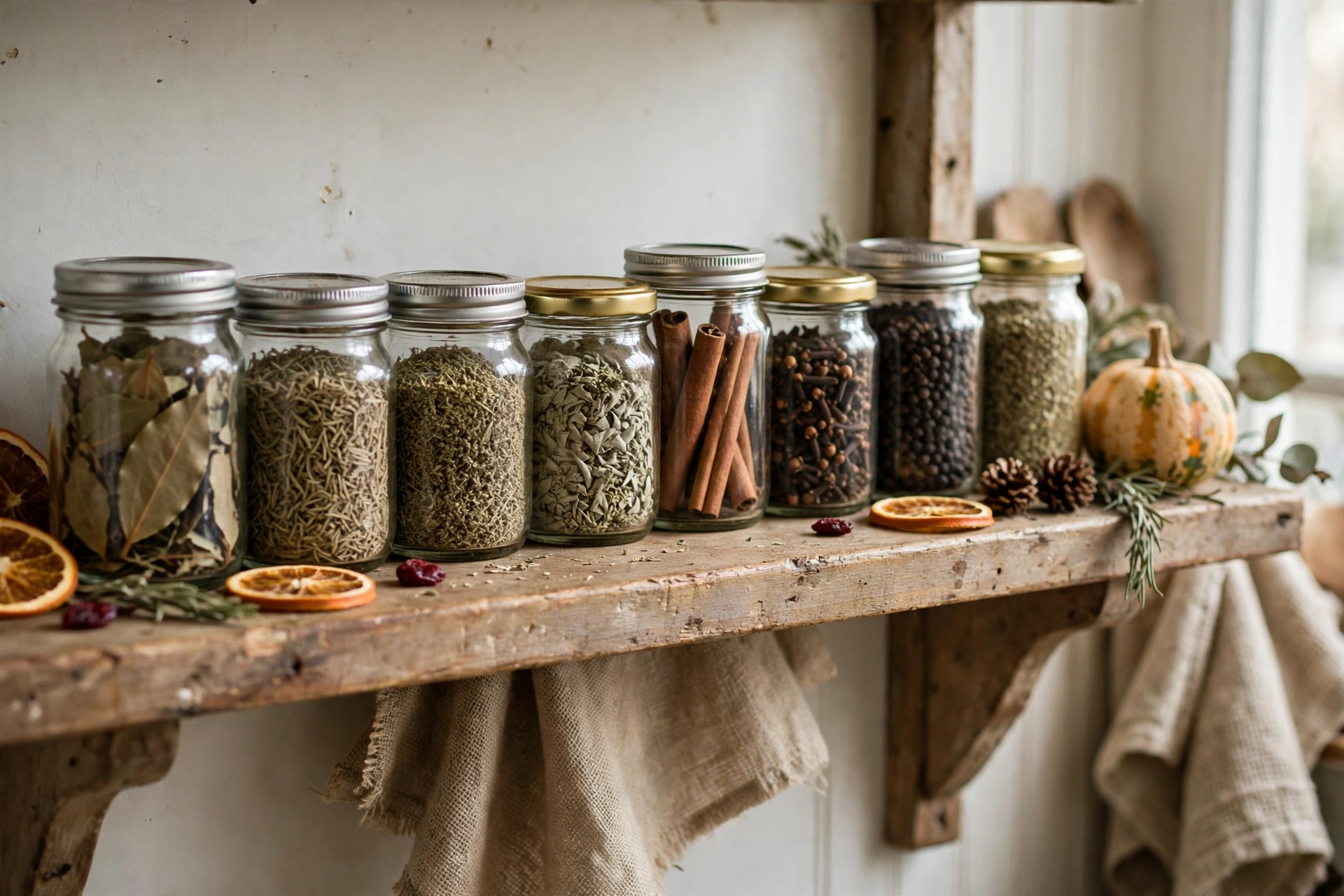
Cooking Tip: Season with the herbs you already own, and taste as you go before you buy anything new.
12. Make Stock from Scraps and Pan Drippings
Some of the best flavor in a Thanksgiving kitchen costs nothing extra at all. Vegetable peels, herb stems, and the drippings from your roasted main can become a rich, homemade stock or a simple gravy base. Simmer scraps gently while you cook. Strain, and season to taste. It is a wonderful way to use the whole ingredient, reduce waste, and add a depth of flavor that feels truly homemade. Your guests will taste the care, even if they never know how simple it was.

Cooking Tip: Simmer scraps while you cook, since peels and drippings make a rich stock for free.
13. Open with a Simple Soup Starter That Stretches the Meal
A warm, simple soup at the start of dinner does more than welcome guests. It sets a relaxed pace. It warms everyone up on a cold November day. It helps the main course go further, because guests arrive at the table already feeling cared for. Choose a seasonal, unfussy soup that can be made ahead and kept warm. Served in small bowls with a smile, it turns an ordinary start into a lovely little moment all its own.
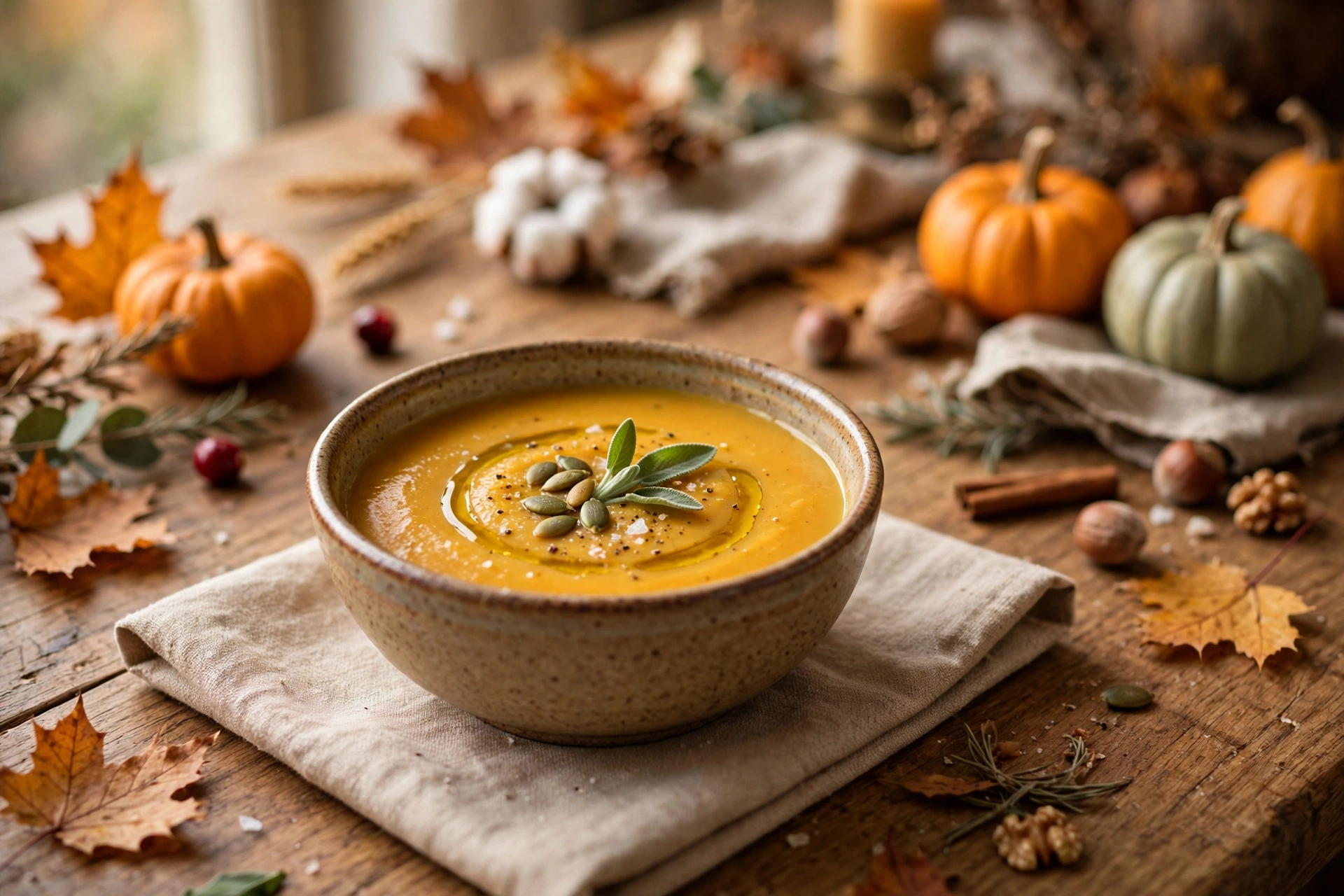
Cooking Tip: Serve the soup in small bowls, so a little goes a long way and the meal starts calmly.
14. Keep Drinks Simple: Water First, Plus One Pitcher Drink
Drinks can quietly become one of the biggest parts of a holiday budget, so keep this part simple and beautiful. Offer plenty of fresh water. Serve it in a pretty pitcher with citrus slices or herbs. Add just one pitcher drink for everyone to share. One thoughtful drink, made in a batch ahead of time, feels generous and festive without turning your kitchen into a bar. Guests can relax, refill easily, and focus on the conversation and the meal.

Cooking Tip: Offer water first and one pitcher drink, since one batch drink feels generous without a big bill.
15. Keep the Menu Short: Fewer Dishes, Done Well
A long menu can look impressive on paper, but it often means more shopping, more cooking, and more stress. A shorter menu, with a main, a few well-chosen sides, and a sweet finish, usually feels calmer and tastes better. When each dish gets your full attention, flavors shine and nothing feels rushed. Choose the dishes your family truly looks forward to. Make them well. Let a focused table be the luxury.
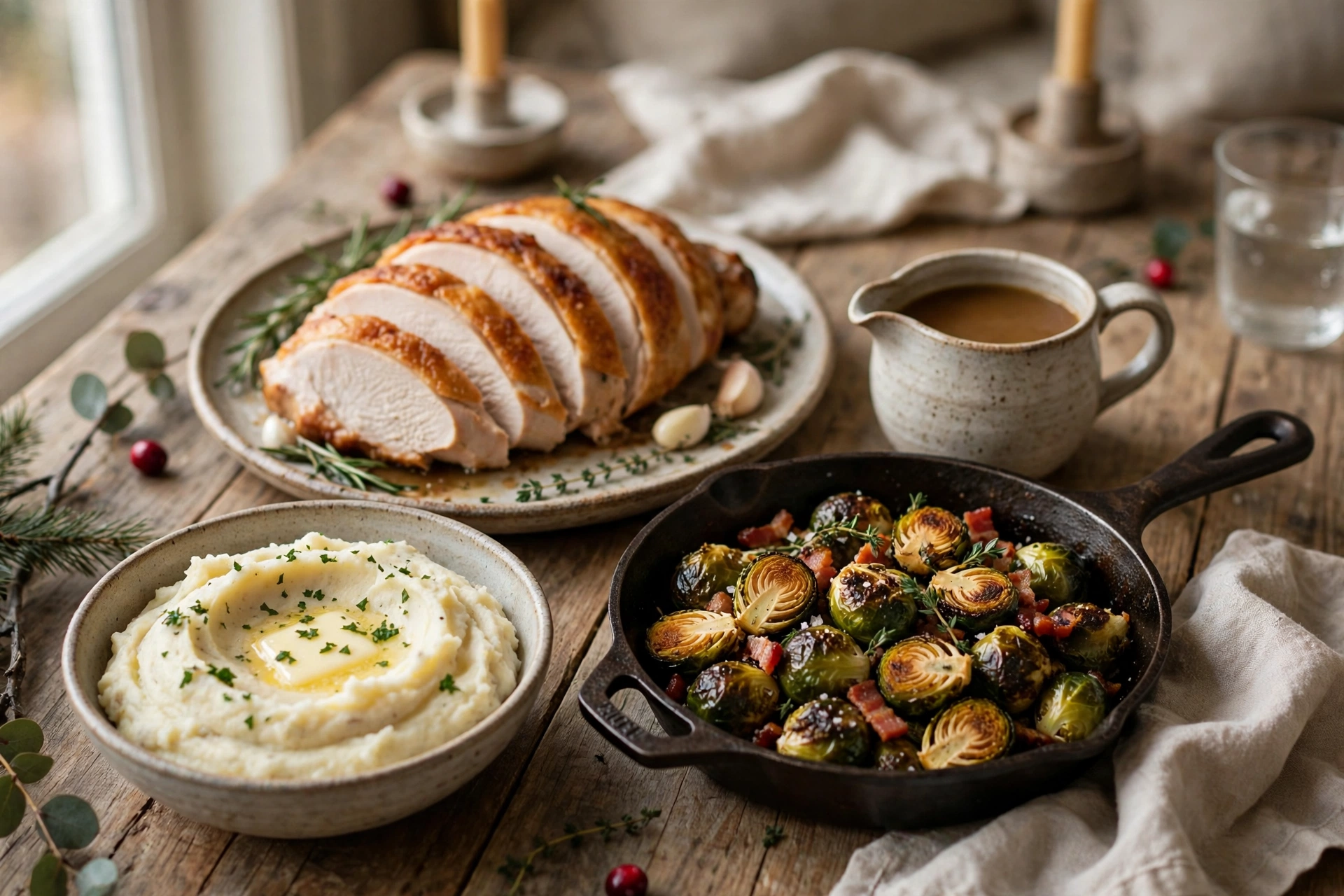
Cooking Tip: Keep the menu short, since a few dishes done well beat a long menu every time.
16. Plan a Single-Oven Cooking Order
Most home kitchens have one oven, so planning its schedule is one of the smartest budget moves you can make. Write out which dishes need the oven, at what temperature, and for how long. Then arrange them in an order that works together. Dishes that can rest, reheat gently, or be served at room temperature give you breathing room. A clear oven plan means less scrambling, less wasted energy, and a calmer host when guests arrive.
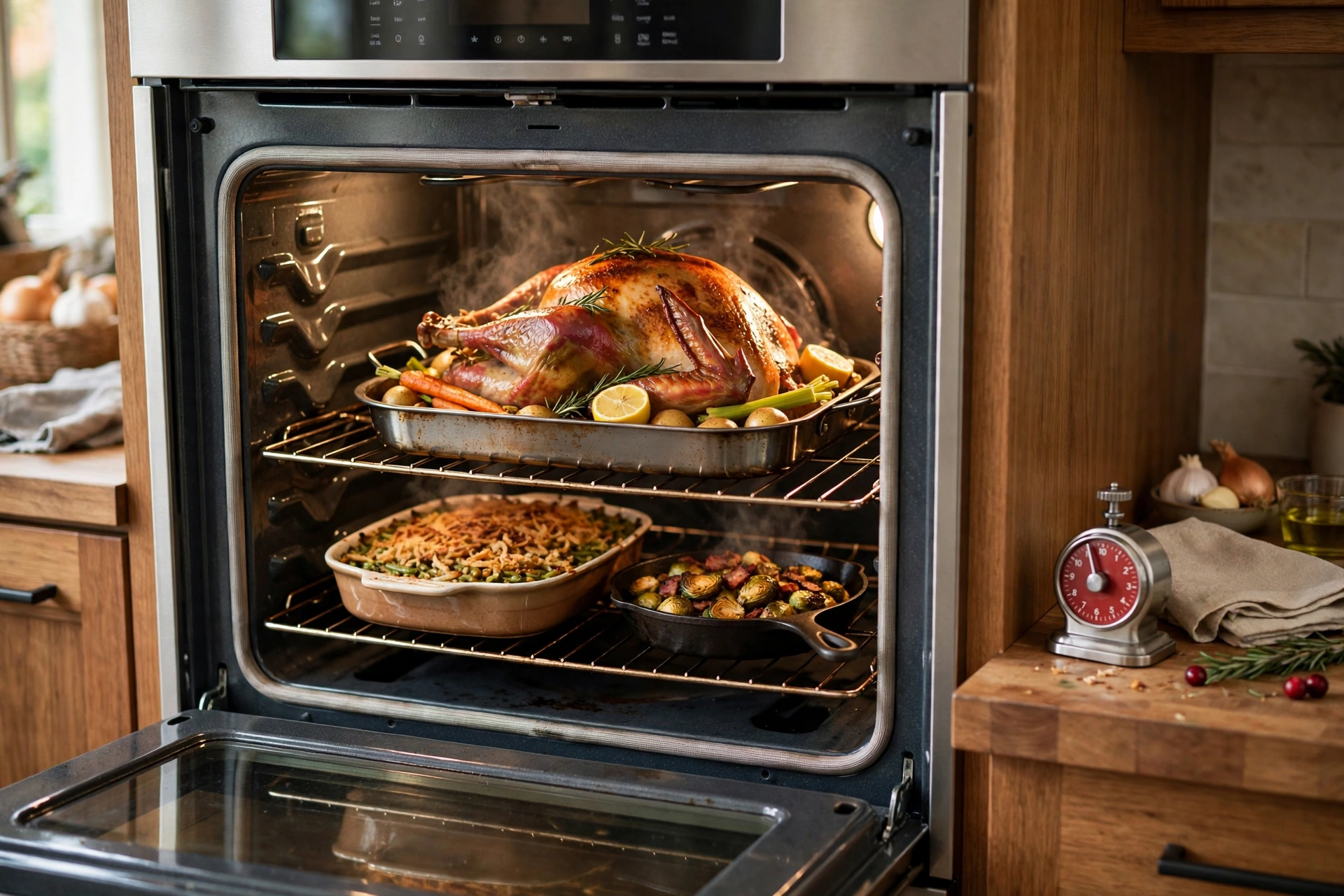
Cooking Tip: Write the oven order down, since dishes that can rest or reheat give you breathing room.
17. Set a Spending Cap for Each Part of the Meal
A total budget can feel vague, but a simple cap for each part of the meal makes shopping much easier. Decide in advance roughly how much you want to spend on the main, on produce, on pantry basics, and on drinks. Keep a running note as you shop. This is not about being strict or stressed. It is about making choices with confidence. You will know where you have room and where you want to hold back. When the meal is over, you will be glad you planned with a clear head.
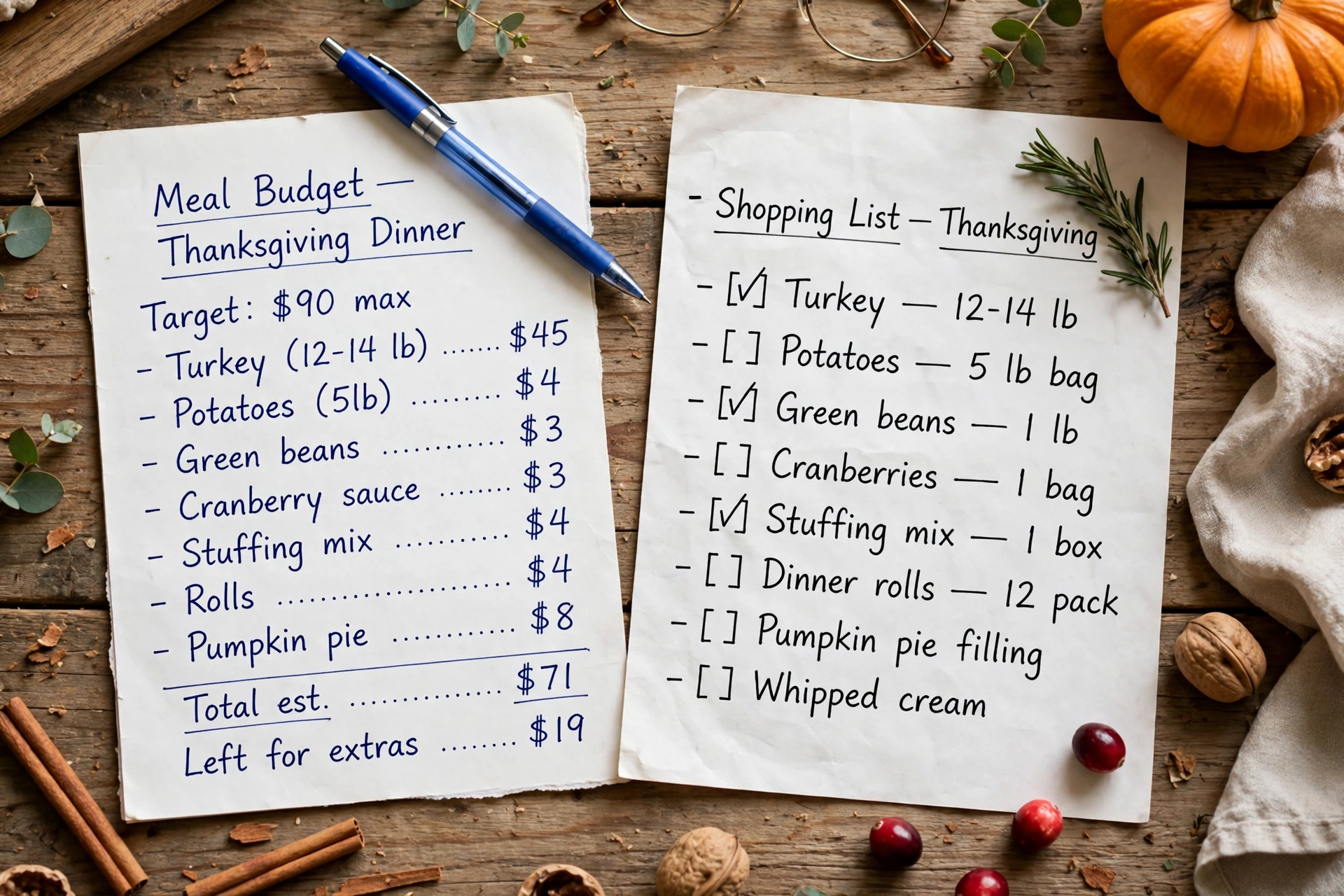
Cooking Tip: Set a cap for each part of the meal, and keep a running note while you shop.
18. Stock the Freezer in the Weeks Before Thanksgiving
Thanksgiving shopping does not have to happen all in one frantic trip. In the weeks before the holiday, you can gradually stock your freezer with items that keep well. Then the final week feels much calmer. Spread the shopping across a few regular trips. Buy what you need when you see a good value. Store it safely until the big day. By the time Thanksgiving week arrives, much of your meal will already be waiting at home. Your last shopping trip will be short and simple.

Cooking Tip: Stock the freezer a little at a time, so the final week has only a short shopping trip left.
19. Plan One Second Meal from the Same Main
One of the kindest budget ideas is to plan for the day after while you are still planning Thanksgiving itself. When you choose your main, think ahead to one easy second meal it could become. Use simple ingredients you already have at home. This is not about cooking twice. It is about cooking once, with intention, so nothing good goes to waste and the next day feels easy too. A thoughtful host plans for leftovers as a gift, not as an afterthought.
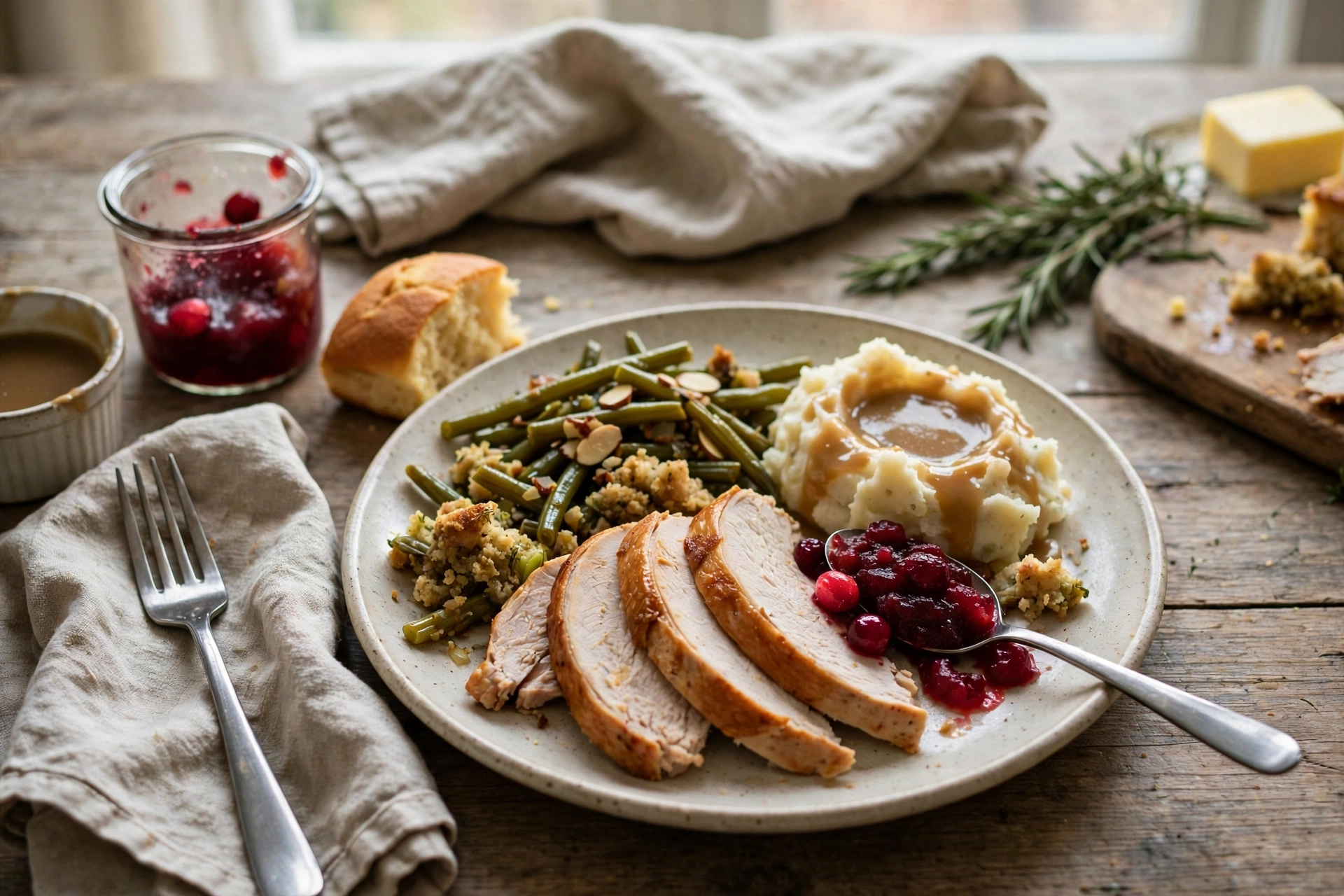
Cooking Tip: Plan the second meal when you pick the main, so leftovers feel like a gift, not a chore.
Tips for a Budget-Friendly Thanksgiving Dinner
Start early, shop with a list, and keep the menu focused on what your family loves most. Cook what you can ahead. Use your pantry first. Let seasonal ingredients lead. Most of all, remember that a special dinner is made by warmth, good flavors, and time together, not by how much was spent.
Spend on the Meal, Not on the Rush: One Calm Rule for a Budget Table
A budget dinner fails when the shopping is rushed, not when the menu is small. Spread the trips over a few weeks, buy sale items when you see them, and stock the freezer early. The calm you save is worth more than any single deal.
Then, on the day itself, spend on the parts guests taste: a good main, fresh seasonal sides, and a warm welcome. The rest is planning, and planning costs nothing.
Frequently Asked Questions
How can I host Thanksgiving dinner on a budget without it feeling cheap?
Focus on a few dishes done well, a warm welcome, and a table that feels cared for. Guests remember flavor, comfort, and time together. They remember those far more than how many dishes were served, or how much any single ingredient cost.
What is the best affordable main for a small Thanksgiving table?
A turkey breast or a whole roast chicken often suits a smaller table best. Both give you a classic roasted centerpiece. They cook in less time than a very large bird. They leave you with a manageable amount to enjoy.
Should I buy everything for Thanksgiving in one trip?
Spreading shopping across a few weeks usually works better. Stock the freezer and pantry gradually. Then use the final week for fresh produce and last-minute items. It keeps the last trip shorter and the whole week calmer.
How many dishes should a budget Thanksgiving dinner include?
A main, a few sides, and a sweet finish are plenty for most tables. A shorter menu is easier to shop for and easier to cook. It is often more enjoyable for everyone at the table.
Conclusion
A budget-friendly Thanksgiving dinner is not about doing less. It is about choosing wisely, cooking with care, and spending your energy where it matters most: on the people around your table. With a smaller main, seasonal ingredients, and pantry-first planning, you can serve a generous meal. Add a calm cooking order, and it feels special and truly yours. Happy Thanksgiving, and enjoy every bite.