
17 Thanksgiving Potluck Ideas That Make Hosting Feel Easy (2026)
17 Thanksgiving Potluck Ideas That Make Hosting Feel Easy (2026)
A Thanksgiving potluck is not really about one perfect menu. It is about a group of people sharing the work. Then no one spends the whole day in the kitchen while everyone else relaxes. When guests know what to bring and when to arrive, the meal comes together calmly. These ideas focus on coordination. Use them to plan who brings what, how food travels, and how the day ends without dishes left for the host. A little planning also means the host can enjoy the meal, not just serve it. Guests arrive feeling confident about what they are bringing.
1. A Shared Sign-Up Sheet Everyone Can See
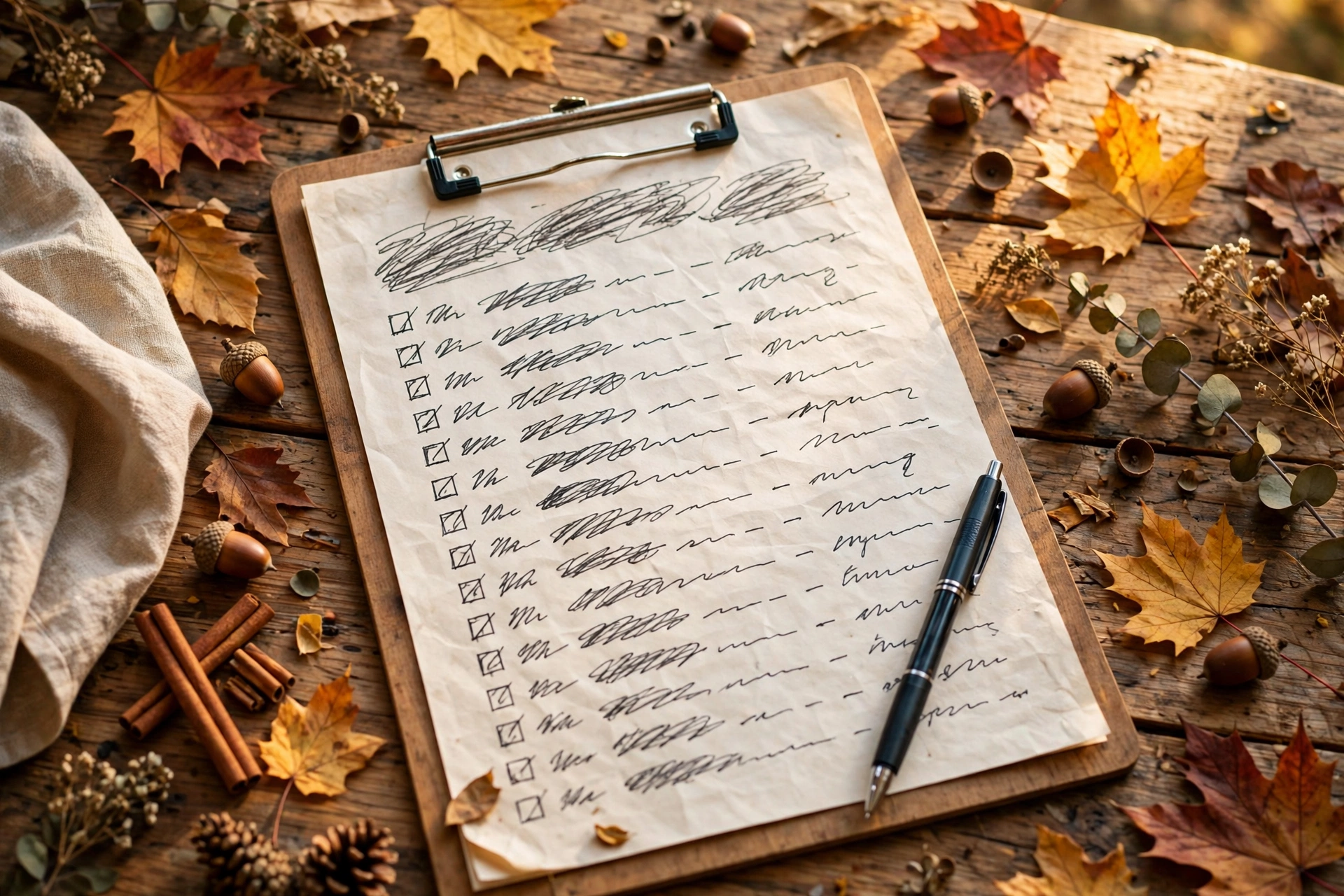
Start with one shared list, and keep it in a single place everyone can check. List broad slots, such as a warm dish, a chilled dish, a bread contribution, drinks, and supplies. Let each guest claim one. Ask guests to write down what they plan to bring, not just the slot. Then two people will not arrive with the same thing. Update the list as plans change. Send a reminder a few days before with arrival times and oven or fridge space.
Hosting Tip: Keep the list in one place everyone can check, so no slot gets claimed twice.
2. A Transport-Friendly Contribution Plan
A great potluck contribution is one that still tastes good after a car ride. Encourage guests to choose dishes that travel well in a covered container. They should need little last-minute assembly. Remind contributors to pack serving utensils and a secure lid. When food arrives ready to serve, the host can focus on welcoming guests. A sturdy container, a towel for insulation, and a quick check before leaving home can prevent most travel surprises.
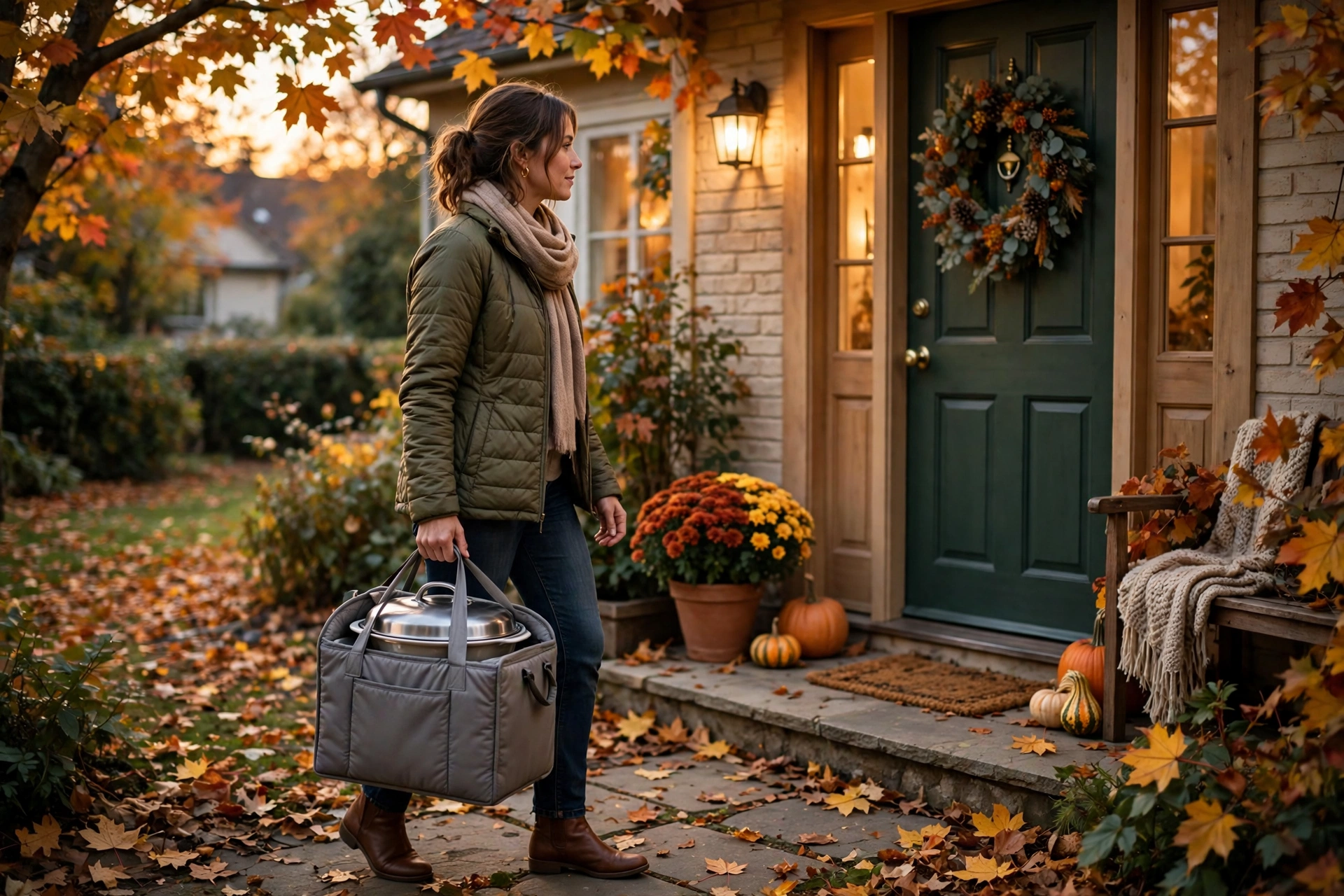
Hosting Tip: Ask guests to pack a serving utensil and a secure lid, since food should arrive ready to serve.
3. A Drink Station Contribution
Drinks are an ideal contribution for a guest who does not love to cook, or who is short on time. One person can cover a drink station with a batch drink, sparkling water, and ice. Set the station away from the main table so refills do not block the serving line. Include a non-alcoholic option and clear labels. Keep a small tray for cups and a bin nearby, so empty cups do not pile up on the food table.

Hosting Tip: Give the drink role to a guest who does not cook, since drinks travel well and need no oven.
4. A Bread and Rolls Guest Role
Bread and rolls make a wonderful guest role because they are simple, welcome, and easy to transport. Assign this role to one household. Ask them to bring enough for the full guest count. Warm rolls wrapped in a cloth need no oven time. This clear job gives a first-time guest an easy way to contribute.
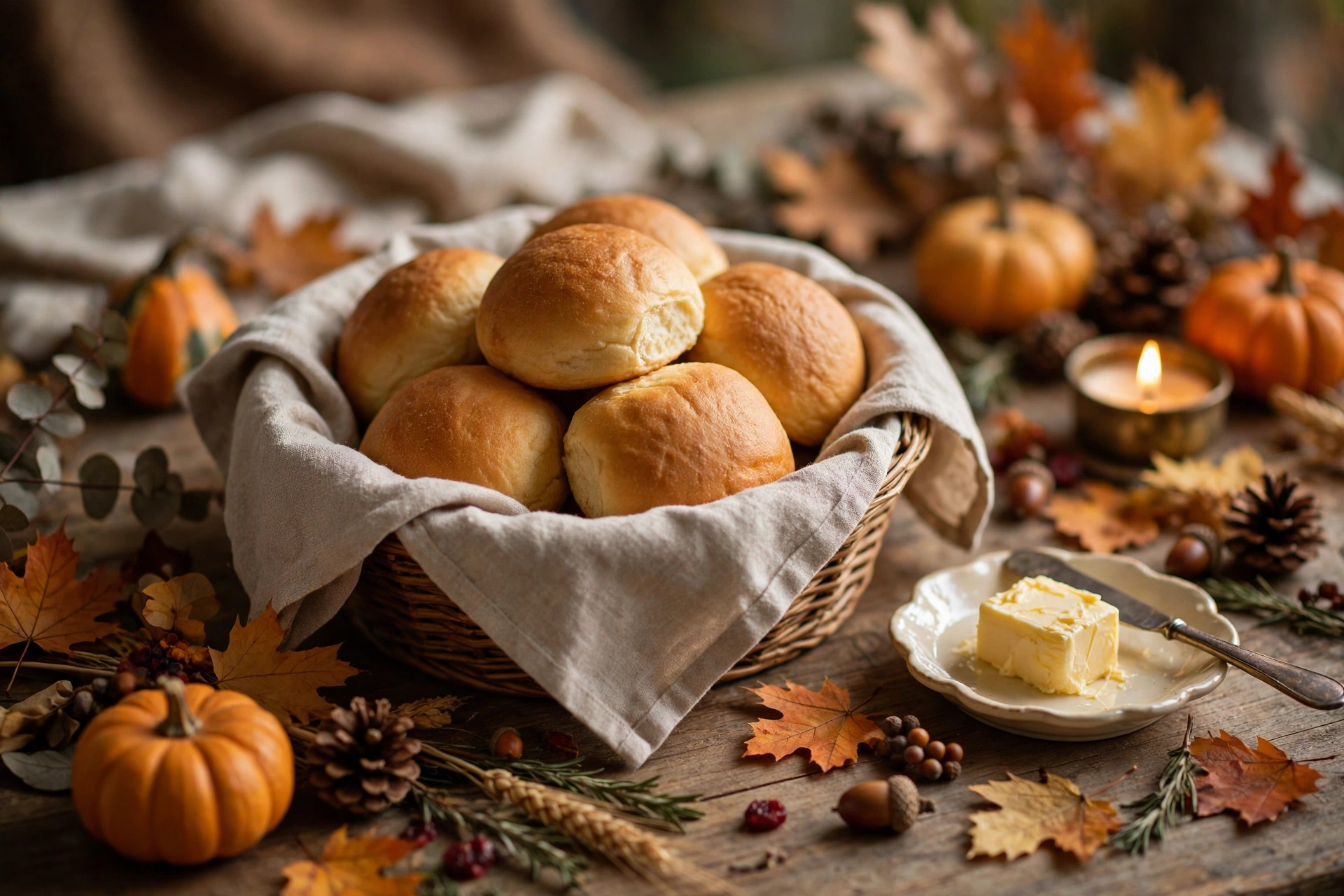
Hosting Tip: Assign bread to one household, since warm rolls need no oven time and suit a first-time guest.
5. A Labeling and Allergy Notes System
Ask every contributor to label their dish with its name. Include ingredients guests may need to know about, such as nuts, dairy, wheat, eggs, or soy. Give each dish its own serving utensil. A shared buffet cannot be promised allergy-free, but clear labels help everyone make informed choices.
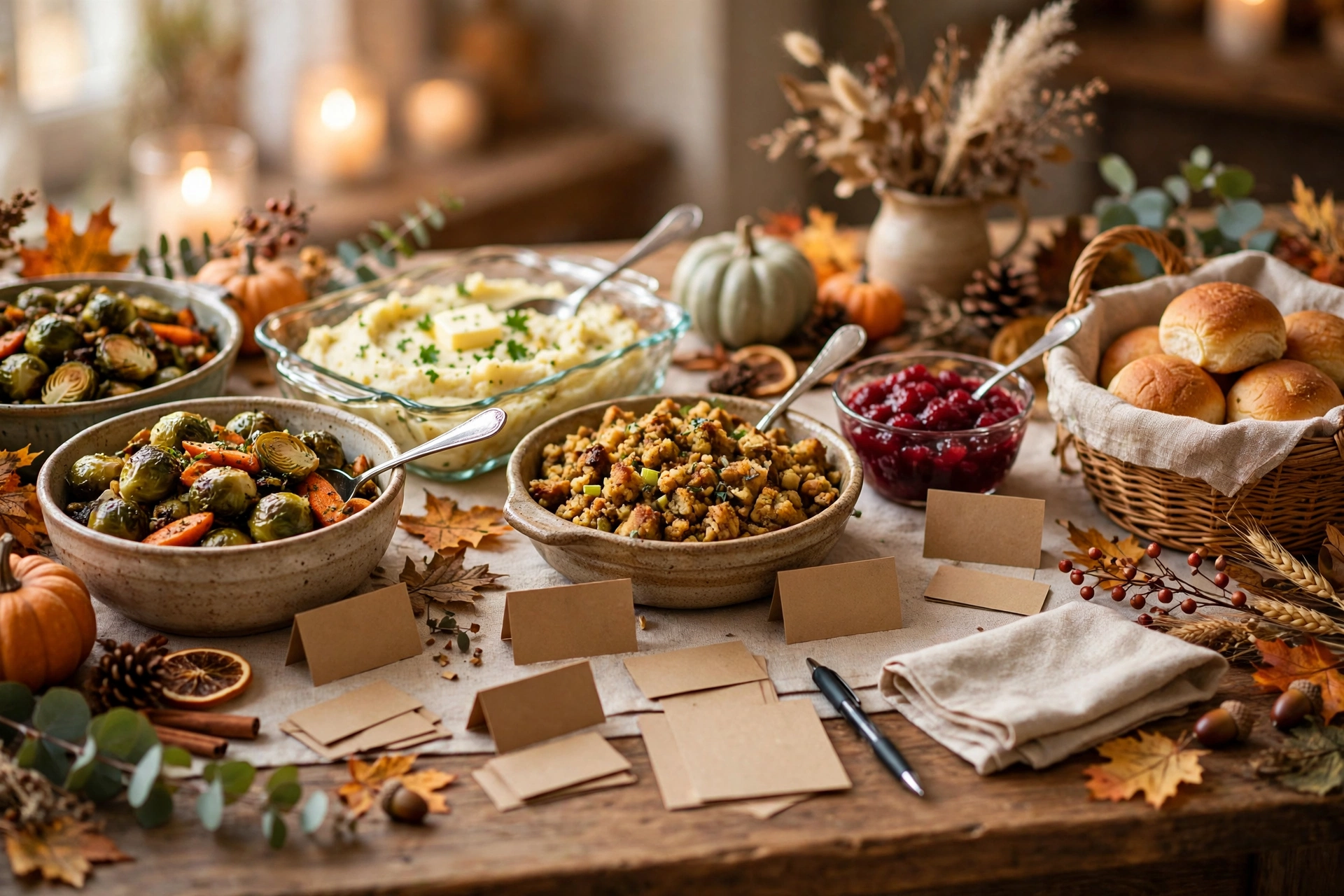
Hosting Tip: Ask for labels on every dish, since clear labels help guests with allergies choose safely.
6. A Staggered Arrival and Reheating Timeline
One oven cannot reheat everything at once, so agree on arrival times before the day. Ask guests whose dishes need warming to arrive earlier. Ask others to come closer to serving time. Note who needs oven, fridge, or outlet space, and keep that list realistic.
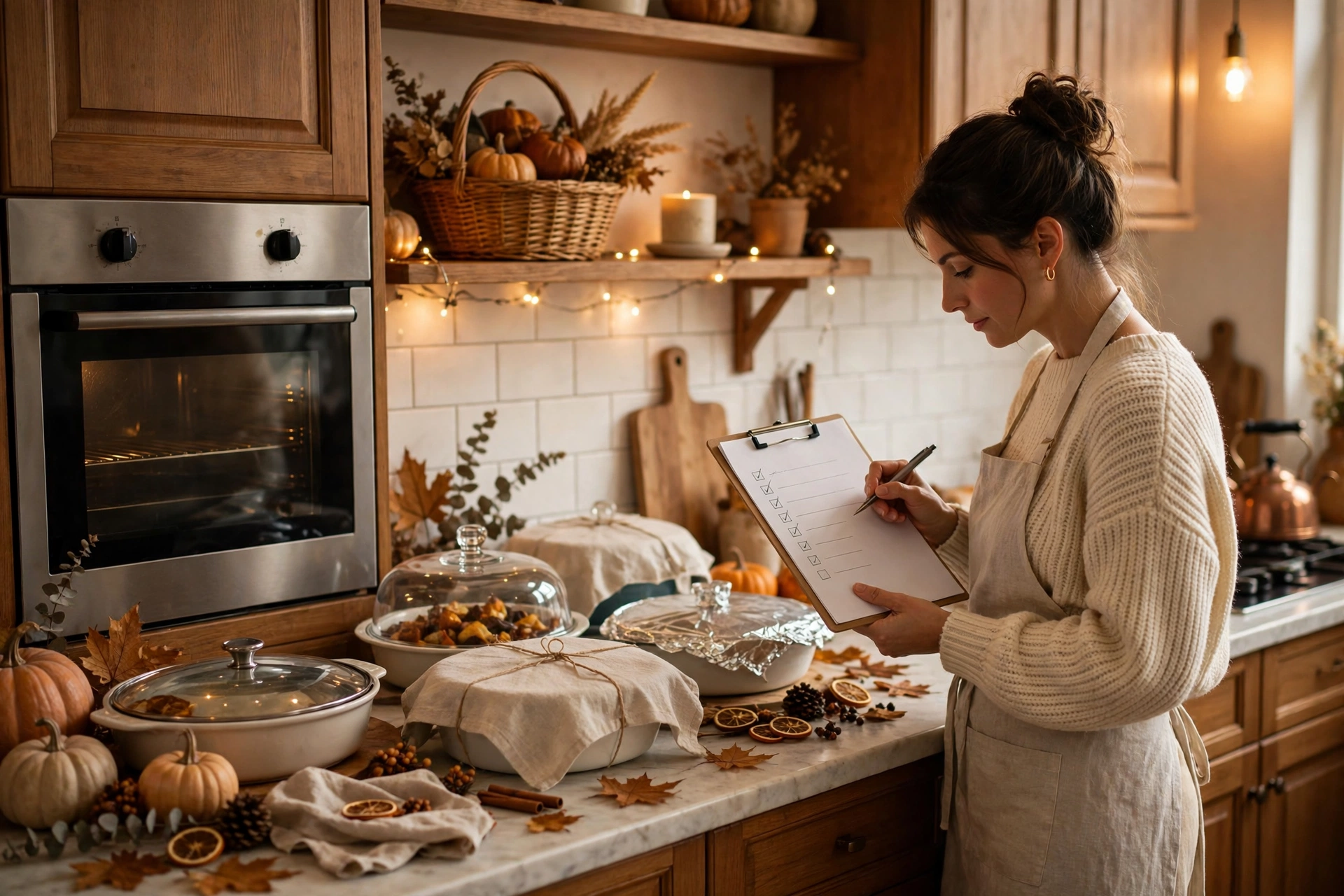
Hosting Tip: Set arrival times before the day, since one oven cannot reheat everything at once.
7. A Setup Help Contribution
Not every contribution has to be food. Invite one or two guests to arrive early to arrange tables, place plates and glasses, and set out utensils and labels. This suits anyone who prefers hands-on help to cooking. The gathering starts on a relaxed note. A short setup list, shared the night before, helps helpers arrive knowing exactly what to do first.

Hosting Tip: Share a short setup list the night before, so helpers arrive knowing what to do first.
8. A Cleanup Crew Contribution
Cleanup is the contribution guests often forget until the meal is over, so plan it in advance. Ask a small crew to stay after dinner to clear plates, wipe surfaces, and pack leftovers. Keep bags, towels, and containers ready beforehand. Then the host can enjoy dessert instead of facing a full kitchen alone.
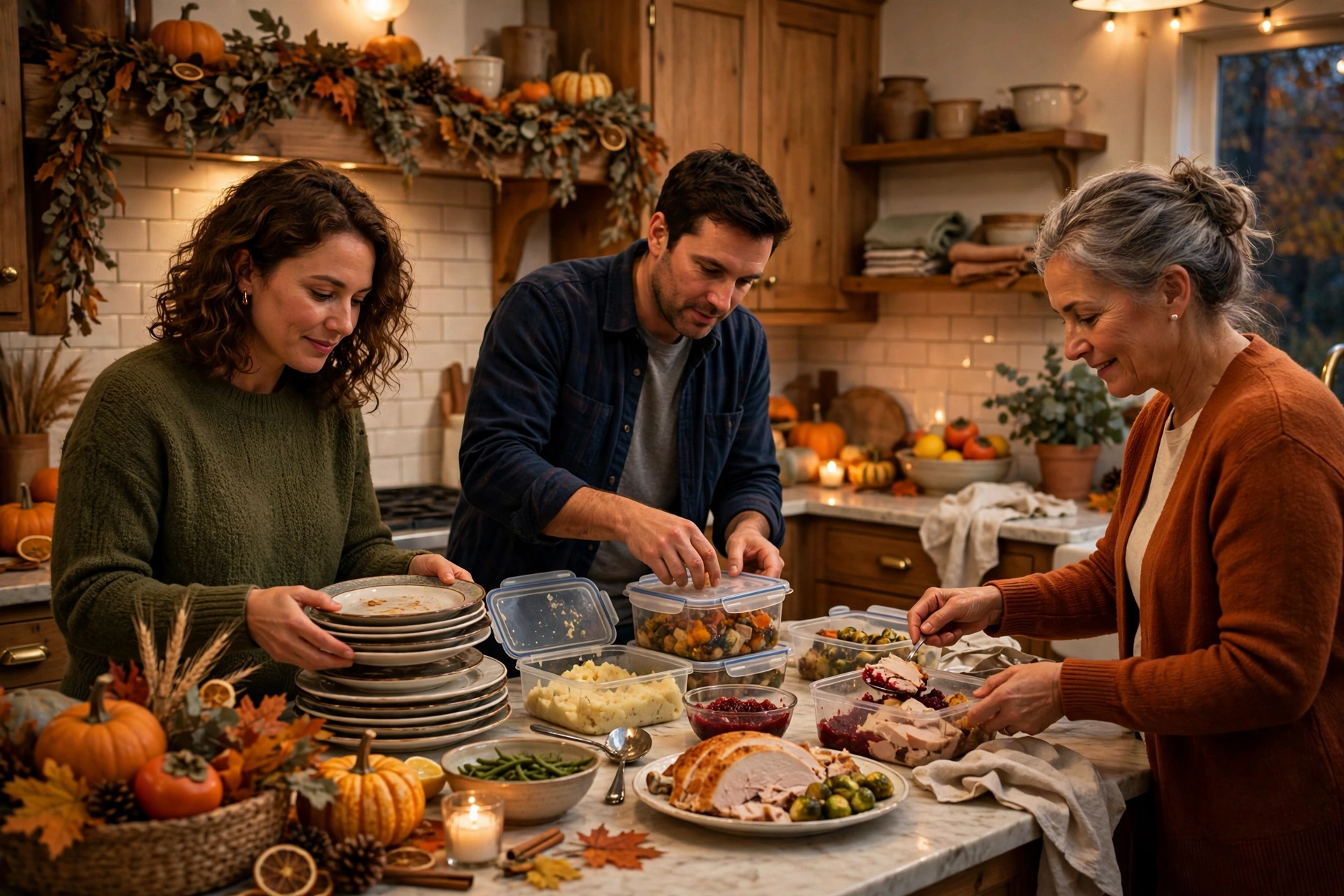
Hosting Tip: Ask a small crew to stay after dinner, so the host can enjoy dessert instead of facing a full kitchen.
9. A Leftover Packing Station
A leftover station turns the end of the meal into a kind gesture. Set out containers, a marker, and bags near the kitchen. Invite guests to pack a plate to take home. Remind everyone to refrigerate perishable food promptly. Then the host is not left storing a week’s worth of food.
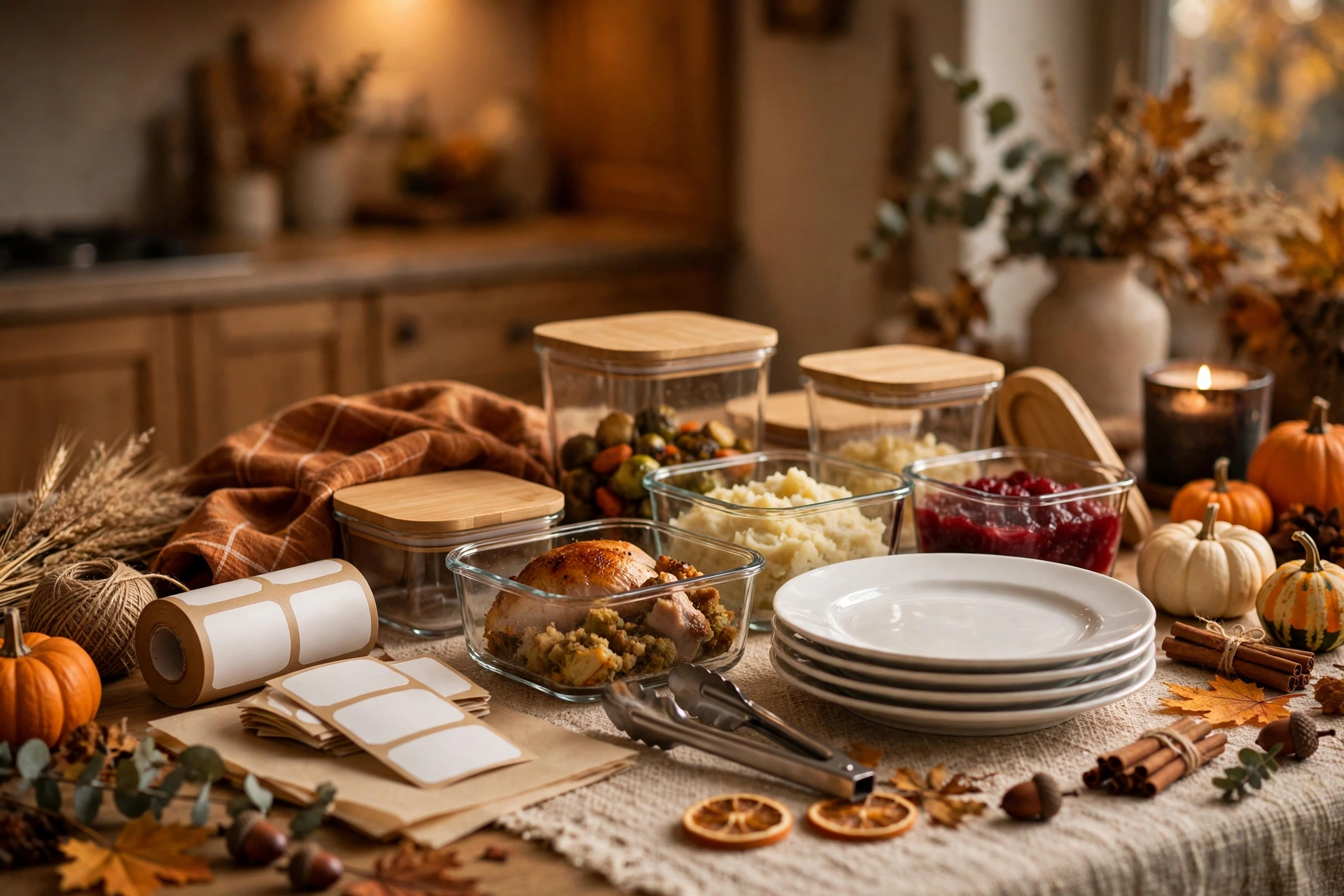
Hosting Tip: Set out containers and a marker near the kitchen, so guests can pack a plate to take home.
10. A Simple Checklist for First-Time Guests
First-time guests often worry about getting it wrong, so give them a short checklist. Claim a slot, bring enough for the guest count, pack serving utensils, label the dish, and arrive on time. Note that store-bought contributions are welcome. Asking the host is always better than guessing.
Hosting Tip: Give first-time guests a short checklist, since clear steps beat guessing every time.
11. A Supplies and Tableware Guest Role
Plates, napkins, cutlery, and trash bags are easy to forget until the table is already set, so give them to one guest as a clear job. This role suits someone who wants to help but does not want to cook. It saves the host a last-minute store run. Ask the volunteer to bring enough for the full guest count, plus a few extras. Ask them to arrive a little early so the table can be set without rushing. A simple list keeps this contribution useful and stress-free: sturdy plates, napkins, forks and knives, cups, and a roll of trash bags.
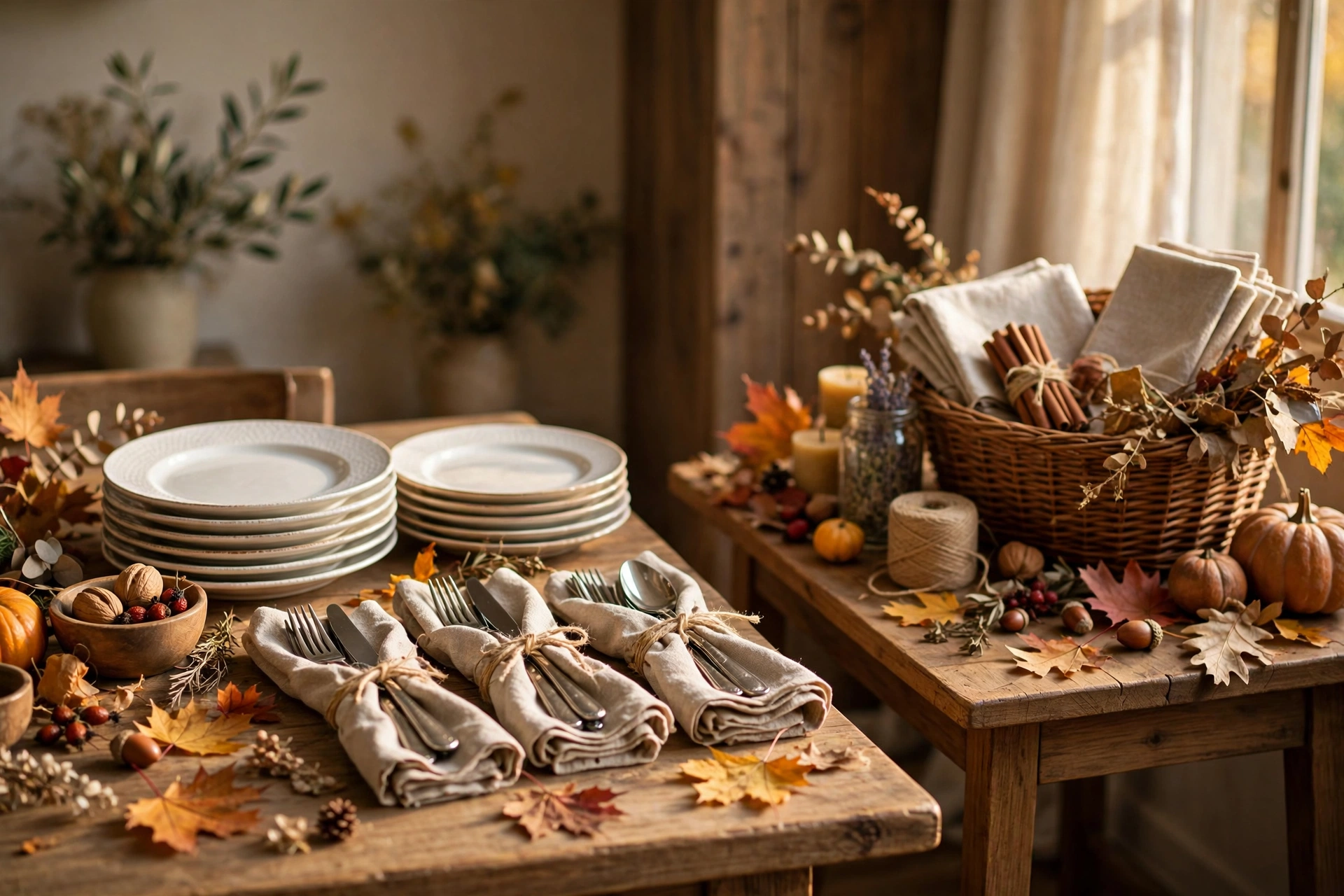
Hosting Tip: Ask the volunteer to arrive a little early, so the table is set before guests arrive.
12. A Welcome Greeter and Dish-Drop Role
The first ten minutes of a potluck can feel chaotic, with guests arriving at once carrying hot dishes and coats. Ask one calm, friendly guest to be the greeter. They welcome people at the door and show them where to put coats and bags. They point each dish toward the right spot: the oven, the fridge, or the buffet table. This small role keeps the kitchen doorway clear. It helps hot food get stored safely right away. It makes first-time guests feel looked after from the moment they walk in.
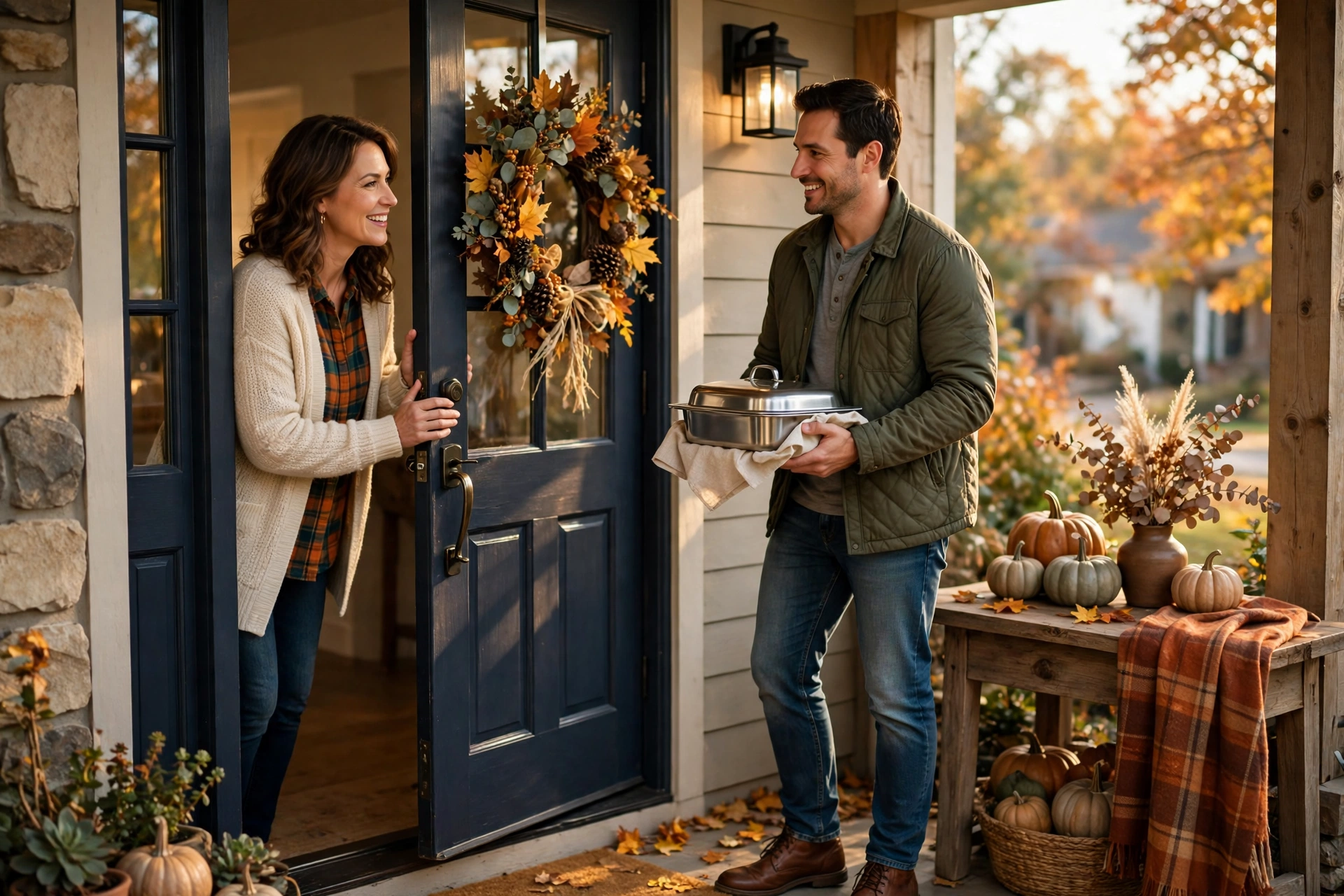
Hosting Tip: Pick one calm greeter, since a friendly face at the door keeps the first ten minutes smooth.
13. A Guest-Count and Portion Guide
Guests often ask the same question: how much should I bring? Share a simple guide with the final guest count a week before, so each contributor knows whether they are cooking for eight people or twenty. Note which slots should be generous, like the main-style warm dishes and drinks, and which can be smaller, like a single bread basket. When everyone works from the same numbers, the table ends up balanced instead of overloaded in one spot and short in another. No one has to guess or overbuy.
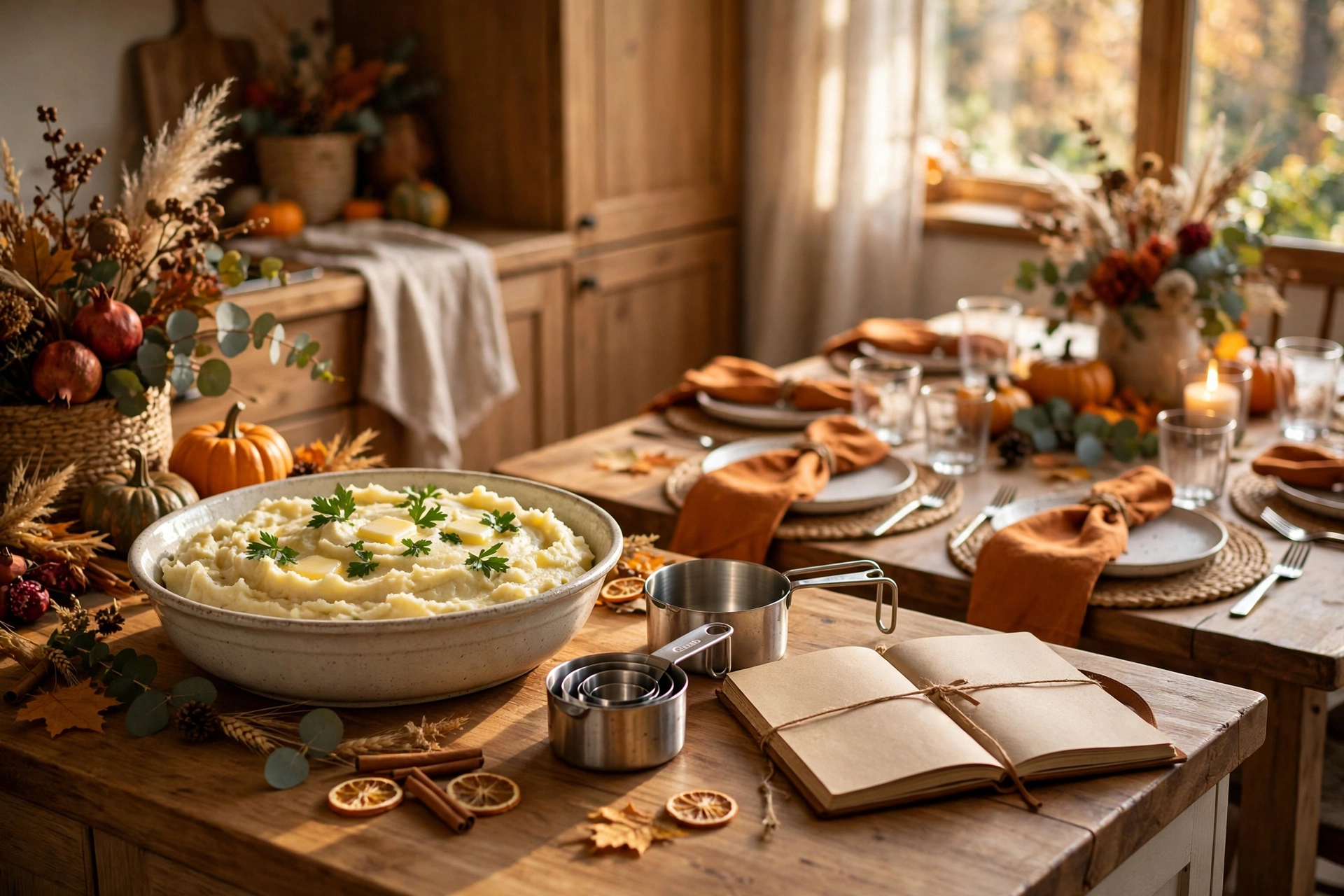
Hosting Tip: Share the final guest count a week before, so everyone cooks the right amount.
14. A Flexible Backup Volunteer for Open Slots
Plans change, and someone will occasionally have to cancel at the last minute. Ask one reliable volunteer to be the backup. They keep a flexible slot and agree to fill whatever gap appears, whether that is an extra side-style contribution, more drinks, or extra supplies. The backup does not need to cook two full dishes. A store-bought option or a simple extra is perfectly fine. Knowing one person can step in takes real pressure off the host in the final days before the meal.
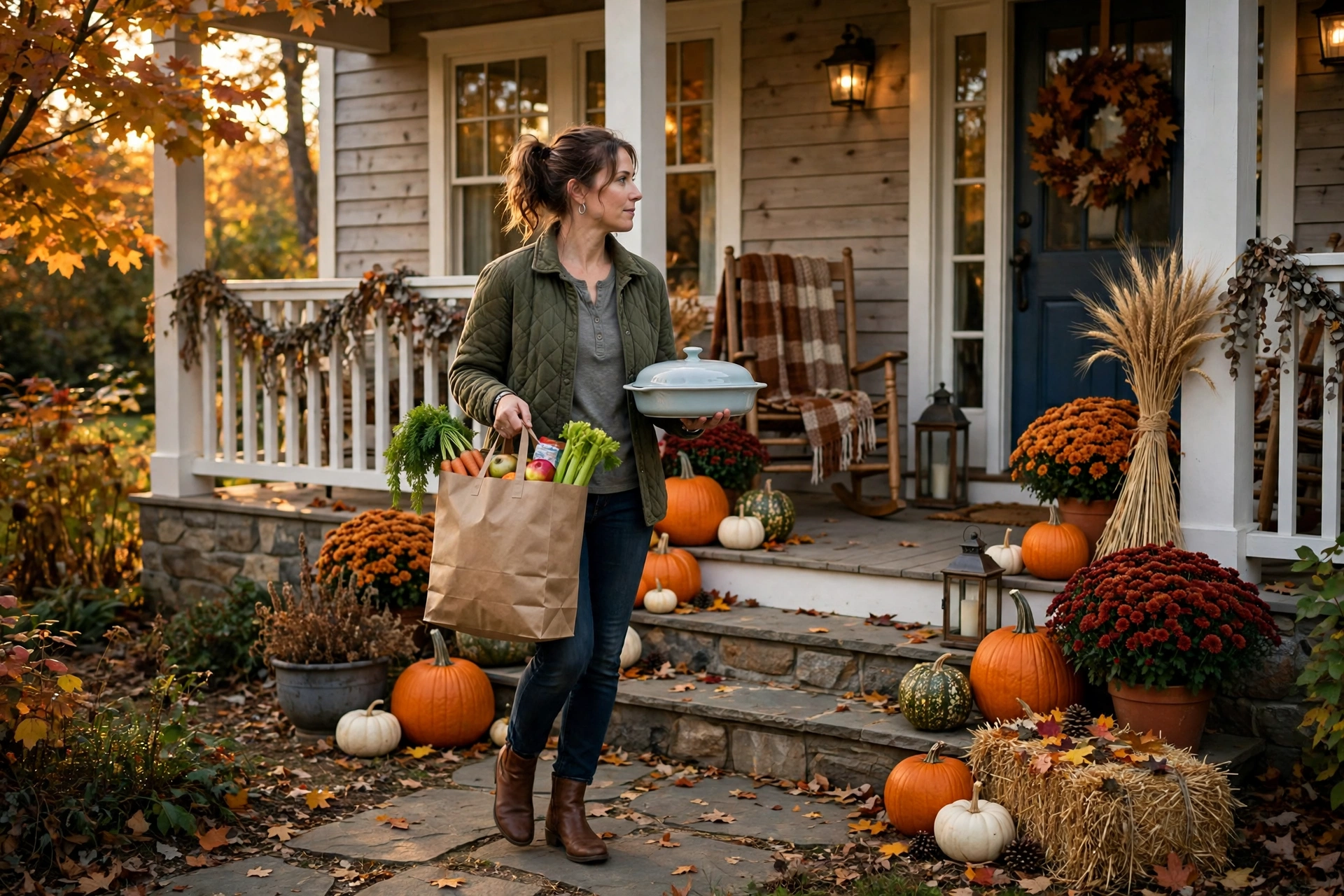
Hosting Tip: Name one backup volunteer, so a last-minute cancel does not leave a gap at the table.
15. A Dish-Return and Container Tracking System
At the end of the night, matching dishes to their owners can turn into a guessing game. Ask guests to put their name on the bottom of their container or on a small piece of tape before they arrive. Set aside one return table near the door. As dishes are emptied and washed, they go straight to that table instead of stacking up in the kitchen. This simple system means guests leave with their own containers. The host is not storing a shelf of borrowed dishes. Nothing gets mixed up in the post-meal rush.
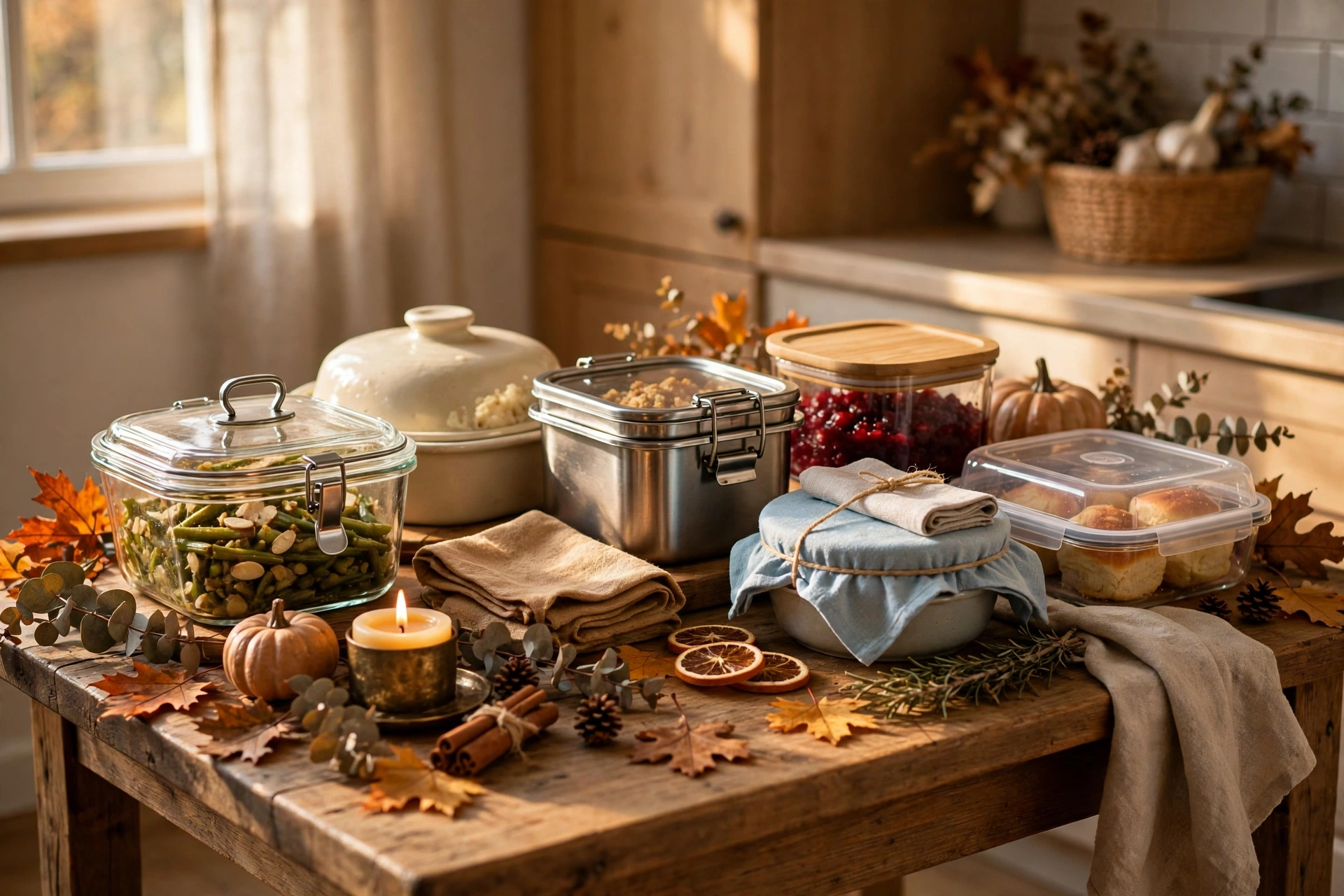
Hosting Tip: Ask guests to put their name on their container, so every dish finds its owner at the end of the night.
16. A Serving-Line Flow and Seating Plan
A good serving line moves in one direction, without guests crossing paths or reaching over each other. Before the meal, sketch a simple order: plates first, then warm dishes, then chilled dishes, then bread and drinks at the end, with serving utensils beside each dish. Pair that with a loose seating plan. Keep family groups together, with space for anyone who needs extra room, rather than leaving every seat to chance. A clear flow keeps the line moving, avoids bottlenecks around the table, and lets everyone sit down while the food is still warm.
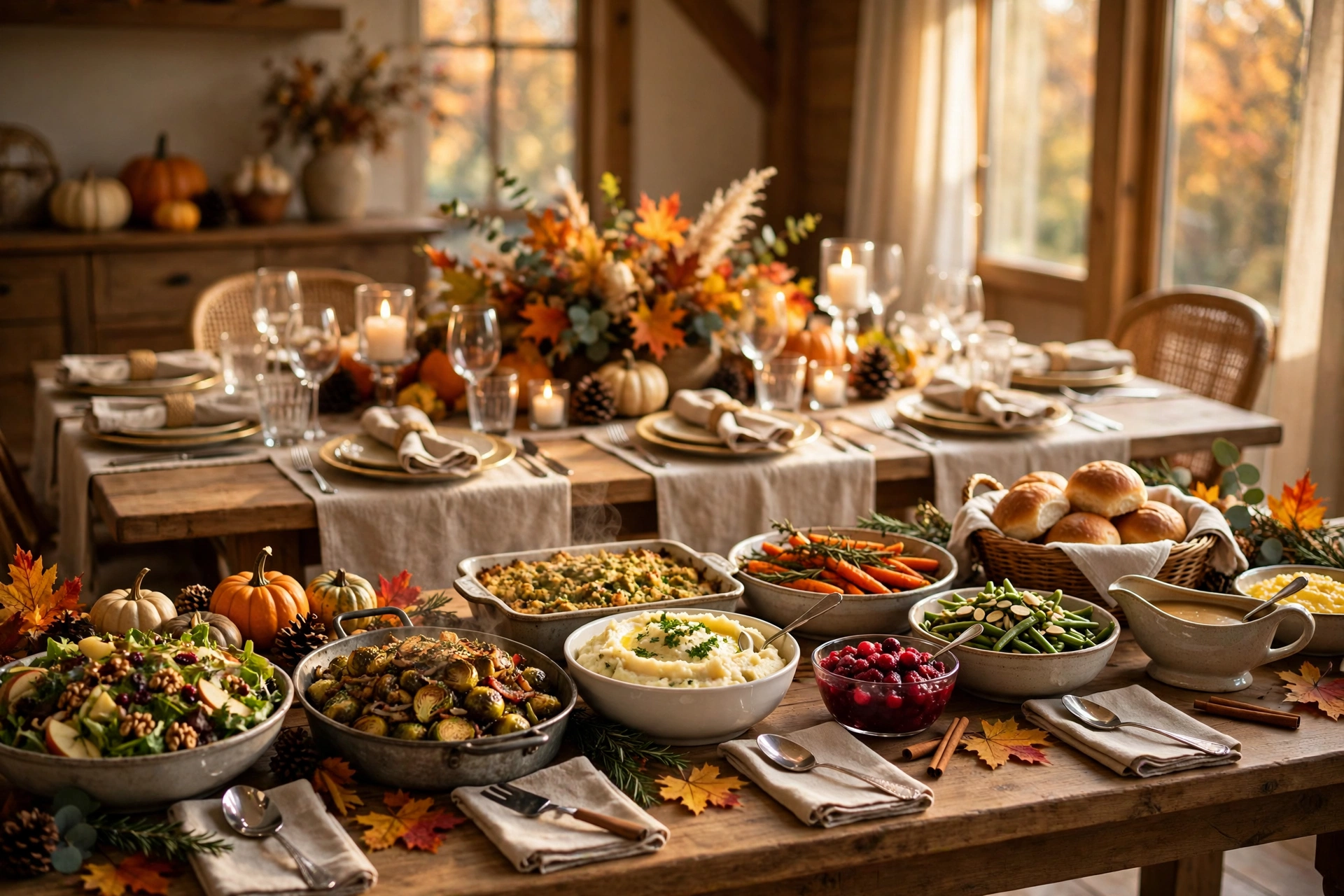
Hosting Tip: Sketch the serving order before the meal, so the line moves one way and no one reaches across.
17. A Dessert and Coffee Service Timing Plan
Dessert and coffee deserve their own moment, not a rushed appearance while main-course plates are still being cleared. Ask one guest to own the timing. They wait until most guests have finished the main meal, then set out desserts and start the coffee. Keeping this step separate gives the host a natural pause. It lets guests enjoy a second round of conversation. It stops the dessert table from crowding the main buffet. A short break between courses also makes the whole afternoon feel more relaxed and intentional.

Hosting Tip: Give dessert and coffee their own moment, since a short pause makes the afternoon feel relaxed.
Tips for a Smooth Thanksgiving Potluck
Keep the plan simple and share it early. Confirm the guest count a week before. Check the list for gaps, and fill any missing slot yourself or ask a volunteer. On the day, greet contributors and thank people by name.
-
Send the sign-up list early, and update it in one place only.
-
Ask about dietary needs before slots are claimed, not on the day.
-
Keep hot food hot, cold food cold, and perishable food out for a limited time.
-
Thank contributors publicly, and follow up with a short message after the meal.
The Host Eats Too: Let the Potluck Feed You as Well
A potluck host can spend the whole meal serving others: greeting guests, pointing dishes to the oven, and clearing plates while everyone else eats. Plan one moment to sit down with your own plate, since the shared work only pays off when the host enjoys it too.
Ask your greeter or your backup volunteer to watch the room for ten minutes while you eat. That small handoff is the difference between hosting a meal and serving one.
Frequently Asked Questions
How far ahead should I send a Thanksgiving potluck sign-up sheet?
Two to three weeks ahead works well. It gives guests time to choose a slot, shop, and ask questions.
What if two guests want to bring the same contribution?
Thank both guests, show them the open slots, and invite one to choose a different one.
How can a guest who does not cook contribute?
Drinks, ice, bread, supplies, setup help, and cleanup help are all valuable contributions.
Should I label dishes at a small family potluck?
Yes, even for a small group. Labels help guests with dietary needs and prevent utensil mix-ups.
Conclusion
A Thanksgiving potluck succeeds when work is shared and the plan is clear. With one sign-up sheet, thoughtful transport, honest labels, and a simple timeline, guests can relax. Add help before and after the meal, and the day runs smoothly. Start early and welcome every kind of help. Enjoy a table built by everyone together, so everyone leaves feeling they helped make the day special.