
How to Build a Simple Skin Barrier Routine: 7 Steps That Actually Help (2026)
How to Build a Simple Skin Barrier Routine: 7 Steps That Actually Help (2026)
Introduction
If your skin suddenly feels tight, looks red, or stings when you apply products that used to feel fine, you do not need a longer routine. You may need a gentler one. A healthy skin barrier routine is built on a simple idea. Protect the skin you have, instead of constantly trying to fix it.
This guide walks you through a simple morning and evening routine. It covers what each step does, and what to pause when your skin feels reactive. It uses no brand names and no complicated multi-step plan. It covers just the basics that help skin stay calm, hydrated, and resilient.

What the Skin Barrier Is
Your skin barrier is the outermost layer of your skin. Think of it like a brick wall. Skin cells are the bricks. Fats such as ceramides, cholesterol, and fatty acids are the mortar that holds them together. When that wall is intact, moisture stays in and irritants stay out.
When the barrier is stressed, that wall develops gaps. Water escapes more easily, so skin can feel dry and tight, and everyday products may sting. Harsh cleansers, too much exfoliation, and strong active ingredients can wear it down. Hot water and sun exposure can wear it down too.
Signs Your Skin Barrier May Need Support
A stressed barrier does not look the same for everyone. Common signs include tightness after washing, redness that lingers, and flaking or rough patches. Stinging is another sign, when you apply a product that never bothered you before. You may also notice that your skin reacts to new products more easily than usual.
These signs are general information, not a diagnosis. Skin conditions can look similar to barrier stress. If redness, pain, swelling, or a rash persists or gets worse, see a dermatologist. Do not keep trying new products at home.

Step 1: Cleanse Gently, Morning and Night
Start with a gentle, fragrance-free cleanser and lukewarm water. Massage it over your face for a short time. Then rinse well and pat dry with a soft towel. Avoid scrubbing, hot water, and cleansers that leave your skin feeling squeaky. That tight feeling often means the cleanser removed too much of your skin’s natural oils.

Skincare Tip: Use lukewarm water and a gentle cleanser. If skin feels squeaky after washing, the cleanser may be too strong.
Step 2: Hydrate While Skin Is Still Damp
Apply a hydrating layer while your skin is still slightly damp, which helps lock in moisture. Look for humectants such as glycerin or hyaluronic acid, which draw water into the skin. Use a small amount and press it gently into your face and neck rather than rubbing hard.
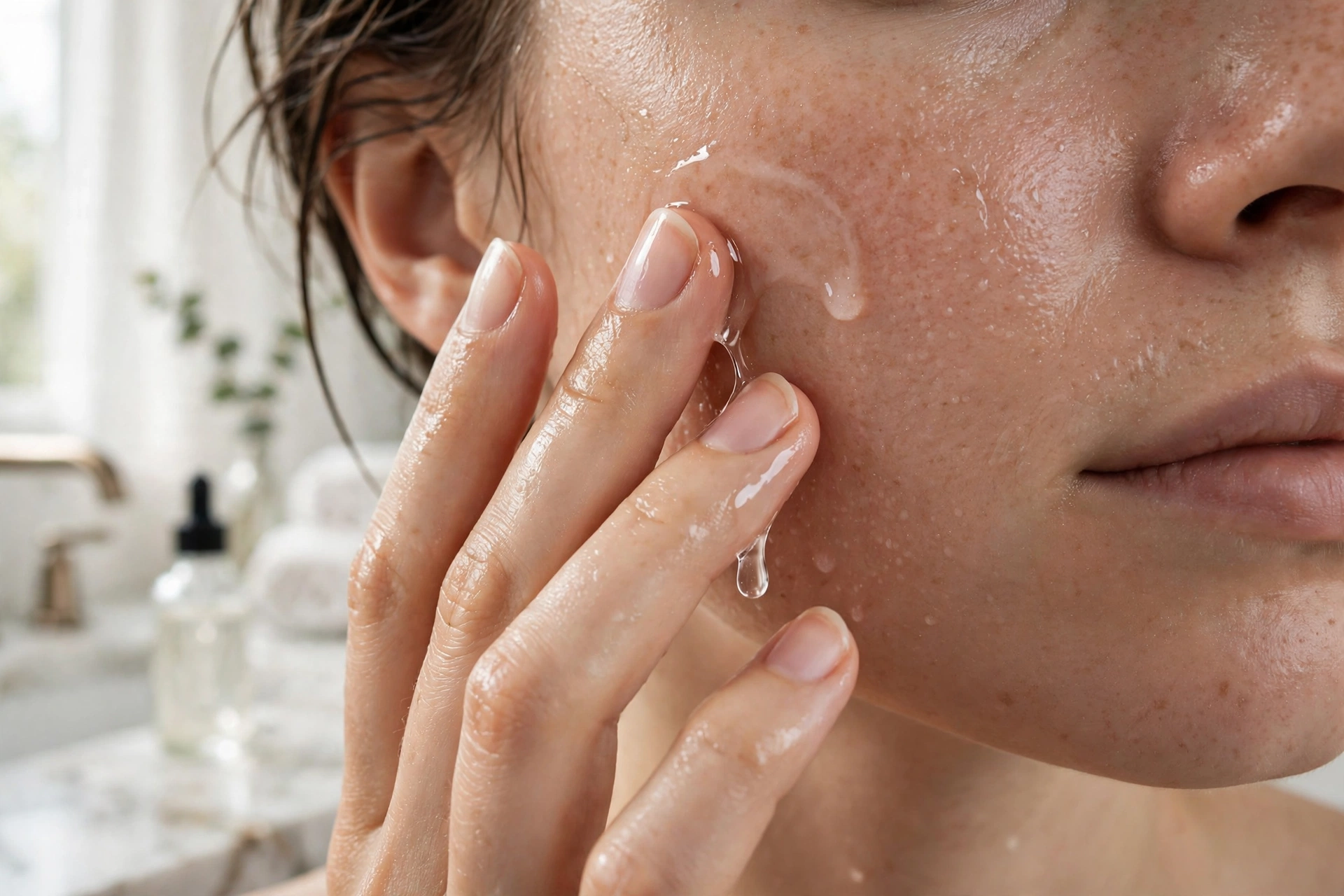
Skincare Tip: Apply your hydrating layer while skin is still damp. Press it in gently instead of rubbing hard.
Step 3: Seal It In With a Barrier-Supporting Moisturizer
Next, apply a moisturizer that supports the barrier. Ceramides help replace the fats in your skin’s mortar, while squalane and panthenol can soothe and soften. Choose a cream if your skin is dry, or a lighter lotion if it is oily. Apply it over your hydrating layer to seal moisture in.
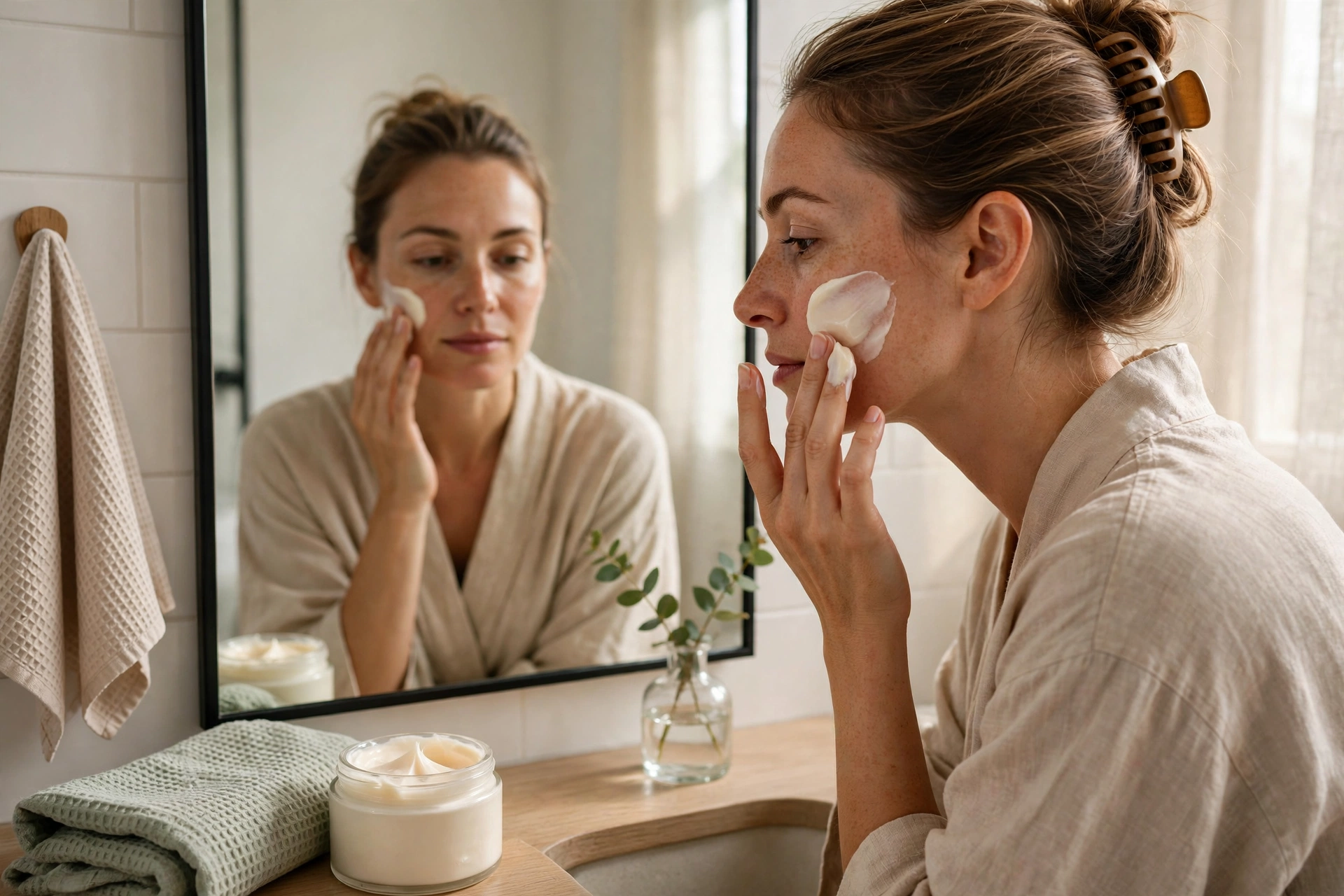
Skincare Tip: Pick a cream for dry skin or a lighter lotion for oily skin. Apply it over your hydrating layer to seal moisture in.
Step 4: Protect With Daily Broad-Spectrum SPF 30+
In the morning, finish with a broad-spectrum sunscreen of at least SPF 30, even on cloudy days. Sun exposure can weaken the barrier and slow recovery. Daily protection is part of the routine, not an optional extra. Apply it as the last step of your morning routine and reapply if you spend extended time outdoors.

Skincare Tip: Wear broad-spectrum SPF 30+ every morning, even on cloudy days. Reapply if you spend extended time outdoors.
Step 5: Keep Your Night Routine Simple and Restorative
At night, repeat the gentle cleanse and hydration steps. Then use a slightly richer moisturizer if your skin feels dry. Night is a good time for repair because you are not facing sun, wind, or makeup for hours. Keep the routine calm and consistent, and resist the urge to add a new treatment every night.

Skincare Tip: Keep your night routine calm and simple. A slightly richer moisturizer is enough if skin feels dry.
Step 6: Pause Strong Products When Skin Feels Reactive
When skin feels reactive, pause strong exfoliants, retinoids, and vitamin C products for a while. Return to just cleansing, hydration, moisturizer, and sunscreen. This break gives your barrier time to settle. When skin feels calm again, reintroduce only one product at a time, slowly. That way, you can tell what your skin tolerates.
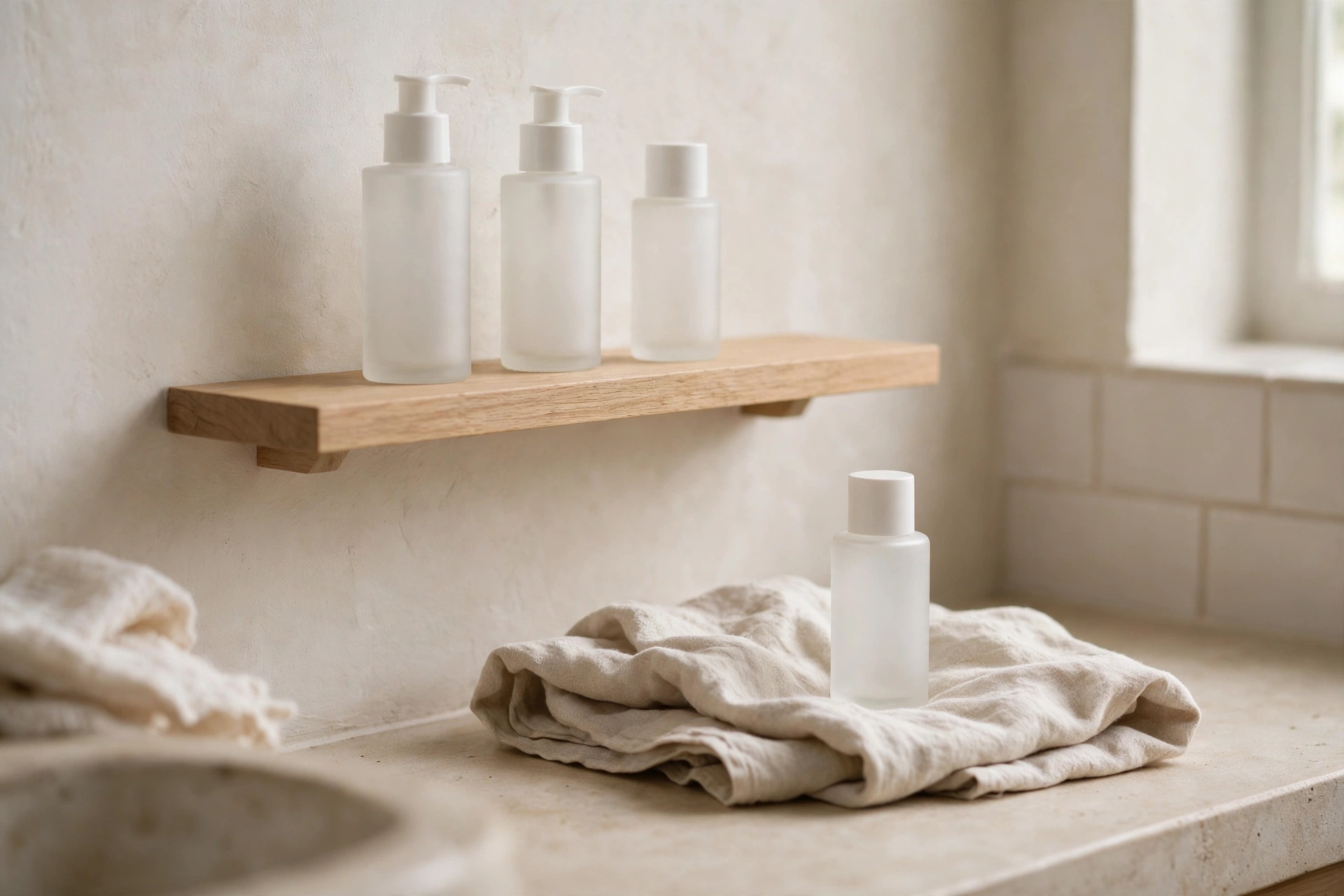
Skincare Tip: When skin feels reactive, go back to the basics only. Add one product back at a time, slowly.
Step 7: Give Rebuilding Time, Week by Week
Barrier recovery is gradual, not instant. In the first week, focus on consistency and comfort rather than visible change. Over the following weeks, skin often feels less tight, looks calmer, and tolerates products better. If progress stalls or symptoms worsen, stop experimenting and seek advice from a dermatologist.

Skincare Tip: Give rebuilding time and focus on comfort first. If progress stalls, stop experimenting and see a dermatologist.
Helpful Tips for a Calmer Routine
Keep your routine short enough to follow every day, because consistency matters more than the number of products. Patch-test a new product on a small area first. Avoid layering several new actives at once, and use lukewarm water instead of hot water. Also, sleep, stress, and hydration all affect how skin feels. A calm routine works best alongside basic healthy habits.
The Short Version: Four Steps to Remember
Seven steps can feel like a lot to remember. The core of this routine is only four parts. They are gentle cleansing, hydration on damp skin, a barrier-supporting moisturizer, and daily SPF 30+.
Each step in this guide ends with a Skincare Tip to help you get it right. When skin feels reactive, pause the strong products and return to these four basics. Give your barrier time, and let comfort lead the way.
Frequently Asked Questions
How long does it take to repair a stressed skin barrier?
It varies from person to person. Many people notice less tightness and stinging within a couple of weeks of a gentle routine. Full recovery can take longer. Consistency and patience matter more than adding extra products.
Can I still use sunscreen if my skin feels sensitive?
Yes, daily sun protection remains important. Choose a gentle, fragrance-free broad-spectrum SPF 30+ that your skin tolerates. Apply it as the last morning step.
Should I stop all active ingredients forever?
No. Pausing is usually temporary. Once skin feels calm, reintroduce one product at a time, slowly. Watch how your skin responds before adding another.
When should I see a dermatologist?
See a dermatologist if redness, pain, swelling, or a rash persists or worsens. See one if it does not improve with a gentle routine. See one if you are unsure what is causing your symptoms.
Conclusion
A healthy skin barrier routine does not need to be complicated or expensive. Gentle cleansing, hydration on damp skin, a barrier-supporting moisturizer, and daily SPF 30+ cover the essentials. Pause strong products when skin feels reactive, reintroduce them slowly, and give your skin time to recover.
Please note: This article is general information only and is not medical advice. If you have persistent or worsening skin problems, talk to a dermatologist for care suited to you.
Pingback: Winter Skincare for Dry Skin: 10 Steps (2026)
Pingback: 12 Winter Skincare Tips for Sensitive Skin (2026)